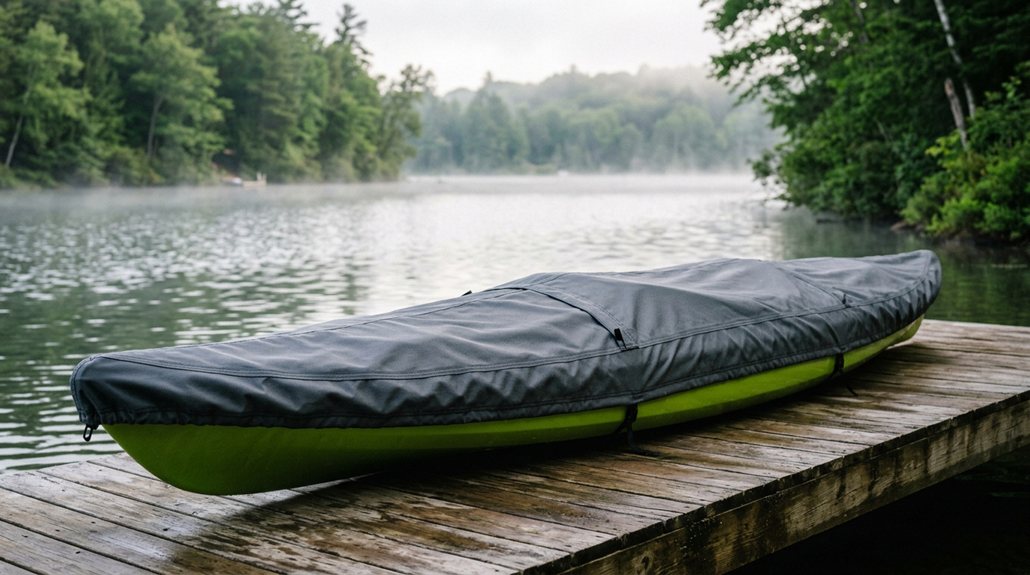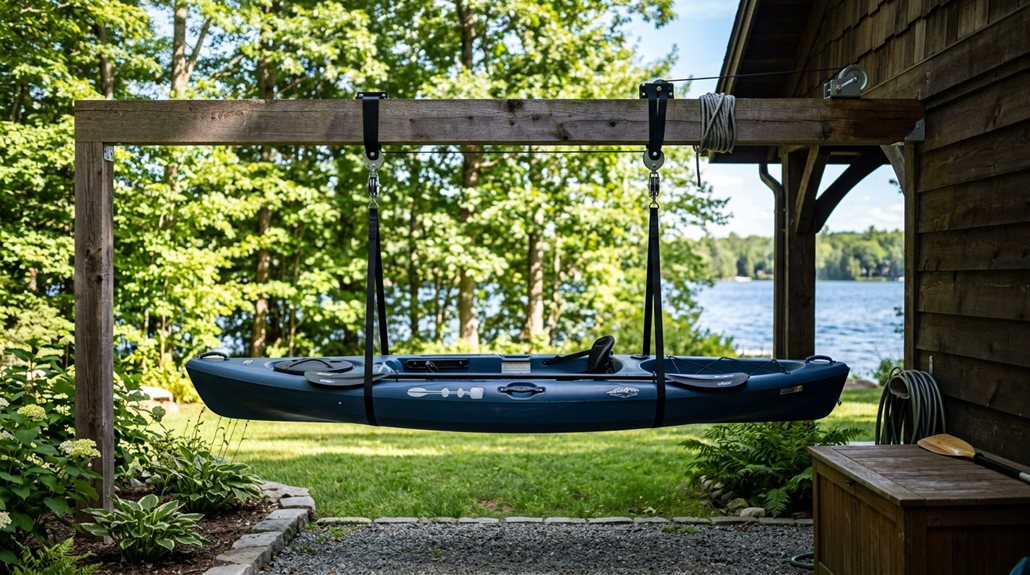
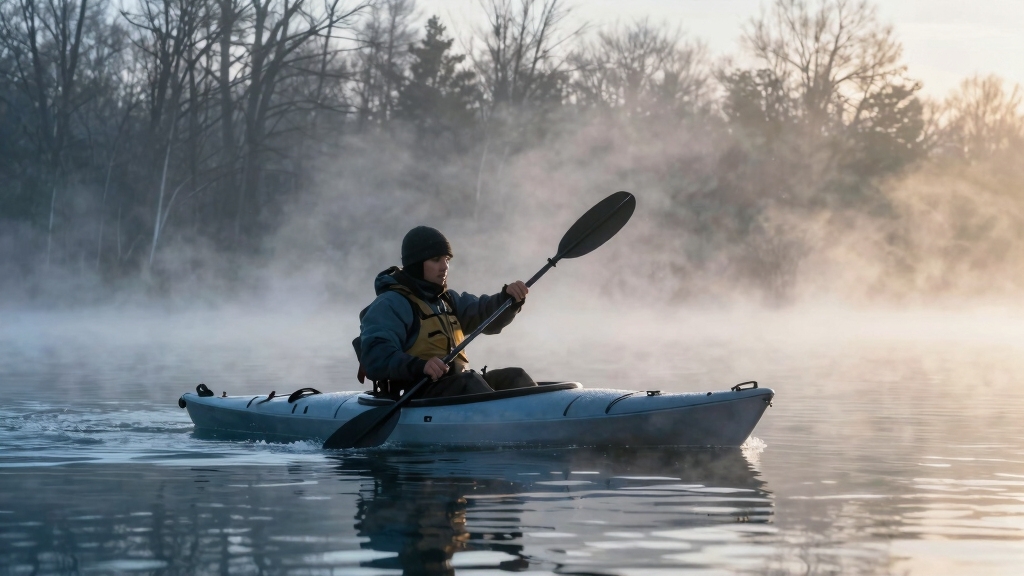
Winter kayak fishing puts more anglers in the hospital each year than any other season, yet those who master cold-water techniques often enjoy the best fishing of the year with nearly empty waterways and aggressive, hungry fish. Learning how to kayak fish in winter safely transforms a dangerous activity into a rewarding pursuit that extends your fishing season by months.
Key Takeaways
- Winter kayak fishing requires a drysuit or quality wetsuit rated for water temperatures below 60°F, not just warm air-temperature clothing
- The “120 rule” (air temp + water temp = 120°F or less) indicates when cold-water immersion gear becomes mandatory for safety
- Fish move to deeper, slower water in winter and feed during the warmest part of the day, typically between 11 AM and 3 PM
- A capsize in water below 50°F gives you roughly 10-15 minutes before losing dexterity, making self-rescue skills and proper gear critical
- Winter kayak fishing gear investment ranges from $800-2,500 beyond your basic kayak setup, with drysuits being the single most important purchase
- Sit-on-top kayaks are generally safer than sit-inside models for winter fishing because they’re easier to re-enter after a capsize
- Walleye, crappie, steelhead, and trout are among the most productive winter kayak fishing targets in freshwater
- Beginners should start winter kayak fishing only after mastering warm-weather paddling and self-rescue techniques
What Is Winter Kayak Fishing and How Is It Different
Winter kayak fishing means pursuing fish from a kayak when water temperatures drop below 60°F, typically from November through March in most regions. The fundamental difference from regular kayak fishing isn’t just colder air—it’s the deadly risk of cold-water immersion, which can incapacitate you in minutes and requires completely different safety gear and protocols.
Cold water changes everything about your approach. Fish behavior shifts dramatically as metabolism slows, forcing you to fish deeper, slower, and during narrower feeding windows. Your gear must protect you from hypothermia, not just keep you comfortable. A capsize that would be an inconvenience in July becomes a life-threatening emergency in January.
Key differences include:
- Mandatory immersion protection: Drysuits or thick wetsuits replace regular fishing clothes
- Slower presentations: Fish are lethargic and won’t chase fast-moving lures
- Shorter effective fishing windows: Fish feed primarily during the warmest 3-4 hours of the day
- Reduced paddling distances: Cold reduces your stamina and increases fatigue risk
- Equipment challenges: Line freezes, guides ice up, and electronics drain faster
- Self-rescue becomes critical: You can’t wait for help in cold water
The reward for mastering these challenges? You’ll often have entire lakes to yourself, fish are concentrated in predictable locations, and many species feed aggressively to build energy reserves. For those interested in expanding their kayak fishing skills year-round, understanding kayak fishing techniques across seasons is essential.
Best Kayaks for Winter Fishing in Cold Water
The best kayaks for winter fishing are stable, wide sit-on-top models between 12-14 feet long with excellent secondary stability for rough water and easy re-entry after a capsize. Sit-on-top designs are safer than sit-inside kayaks because they don’t fill with water and can be remounted from the water without requiring a pump or sponge.
Top features for winter kayak fishing:
- Width of 32+ inches: Provides stability in choppy conditions and when wearing bulky cold-weather gear
- Sit-on-top design: Allows water to drain immediately and enables easier self-rescue
- Sealed hull compartments: Keeps the kayak floating even if you capsize
- Multiple grab handles: Essential for re-entry and rescue scenarios
- Stable standing platform: Lets you warm up by standing and improves circulation
- Adequate weight capacity: Must accommodate you plus 75-100 lbs of winter gear and equipment
Pedal-drive kayaks offer advantages in winter because they keep your hands free for fishing and warming, though the drive units can be damaged by ice. Traditional paddle kayaks are more reliable in near-freezing conditions but require more upper-body exertion, which can lead to sweating and subsequent chilling.
Choose a sit-on-top kayak if: You’re fishing in water below 50°F, you’re a beginner to winter fishing, or you’re fishing alone. The self-rescue advantage outweighs any other consideration.
Choose a sit-inside kayak only if: You’re an experienced cold-water paddler with solid roll skills, you’re fishing in extremely cold air temperatures where the enclosed cockpit provides wind protection, and you have a spray skirt and know how to wet-exit safely.
For more guidance on selecting the right vessel, check out our fishing kayak buying guide and fishing kayak comparison resources.

Quality Construction: Constructed of uv-protected high-density polyethylene. Multiple footrest positions for different size riders. Stable flat bottom

UV-Protected HDPE Construction for Durability: Built with high-density polyethylene (HDPE) plastic, this kayak is both lightweight and highly durable, offering long-lasting protection against UV rays for years of use in various conditions. Paddle included.

STABLE: The tunnel hull offers amazing stability for a secure and steady ride. It also makes it incredibly easy to get in and out of the kayak. There is also plenty of deck space aboard this fishing kayak to prevent you from tripping on gear as you stand up to cast lines and reel in fish.
What Gear Do You Need for Kayak Fishing in Winter
Essential winter kayak fishing gear includes immersion protection (drysuit or wetsuit), a properly fitted PFD worn over your thermal layers, neoprene gloves and boots, a waterproof communication device, and cold-weather fishing tackle designed to resist icing. Budget $800-2,500 for a complete winter setup beyond your basic kayak and fishing gear.
Mandatory safety gear:
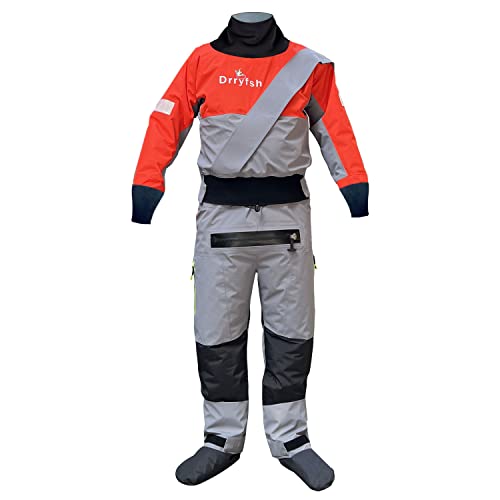
- Drysuit or 5mm+ wetsuit: Your primary defense against hypothermia ($300-800)
- PFD rated for cold water: Must fit over bulky layers ($80-150)
- Neoprene gloves (3mm): Maintains dexterity while protecting hands ($25-50)
- Neoprene boots or waders: Keeps feet warm and protected ($60-120)
- Waterproof VHF radio or phone case: For emergency communication ($50-200)
- Whistle and signal mirror: Attached to PFD for attracting attention ($10-20)
- Throw rope: For assisting others or self-rescue ($25-40)
Fishing-specific winter gear:
- Ice-resistant fishing line: Fluorocarbon resists freezing better than monofilament
- Rod tip de-icer: Silicone spray or commercial de-icing solution
- Insulated rod holders: Prevents guides from freezing to the holder
- Hand warmers: Chemical or rechargeable for warming hands between casts
- Waterproof tackle storage: Prevents water from freezing tackle boxes shut
- Shorter rods (6-7 feet): Easier to manage in a kayak with bulky clothing
Common mistake: Anglers often buy cheap wetsuits designed for warm-water surfing rather than cold-water immersion. A 3mm wetsuit adequate for 70°F water will not protect you in 40°F water. Always match your immersion protection to the water temperature, not the air temperature.
For additional equipment considerations, explore our kayak gear section.

Insulated and Windproof - Piscifun Ice Fishing Jackets use our windproof surface fabric paired with 100% Polyester thermal insulation material to provide extreme comfort and warmth. The flannelette lining pockets are perfect for keeping your hands warm

[Proprietary Laminate Materials]:3-layer waterproof breathable nylon shell with Menbrance finish for maximum durability and abrasion resistance,It is built tough with a well thought design, and yet very light.
How Cold Is Too Cold for Kayak Fishing Safety
Water temperature below 60°F requires immersion protection, and most experts consider water below 40°F too dangerous for solo kayak fishing regardless of gear. The “120 rule” provides a quick safety check: if the combined air and water temperature totals 120°F or less, you’re in the cold-water danger zone and must wear a drysuit or quality wetsuit.
Cold water immersion timeline:
- 60-70°F water: Loss of breathing control in 3-5 minutes; exhaustion in 2 hours
- 50-60°F water: Loss of breathing control in 1-2 minutes; exhaustion in 1 hour
- 40-50°F water: Loss of breathing control in 30-60 seconds; exhaustion in 30-60 minutes
- Below 40°F water: Loss of breathing control in under 30 seconds; exhaustion in under 30 minutes
The first danger isn’t hypothermia—it’s cold shock response. When you suddenly enter cold water, your body gasps involuntarily, your heart rate spikes, and you hyperventilate. This response causes more drownings than hypothermia because it happens in the first 60 seconds, before hypothermia even begins.
You should not kayak fish if:
- Water temperature is below 40°F and you’re alone
- You don’t have proper immersion protection for the water temperature
- You’re a beginner without solid self-rescue skills
- Weather conditions include high winds (15+ mph) or storms
- You’re fishing in current or tidal areas without experience in those conditions
You can kayak fish safely if:
- You have appropriate immersion gear and have tested it
- You’ve practiced self-rescue in controlled conditions
- You fish with a partner and maintain visual contact
- You stay within 100 yards of shore in water below 50°F
- You file a float plan with someone on shore
For more on staying safe on the water, review our kayak safety guidelines.
Winter Kayak Fishing vs Ice Fishing: Which Is Better
Winter kayak fishing offers mobility and access to open water that ice fishing can’t match, while ice fishing provides a stable platform and comfort in extreme cold. Kayak fishing is better when you need to cover water to find fish, while ice fishing excels when fish are concentrated in known locations and temperatures drop below 20°F.
Winter kayak fishing advantages:
- Access to water that never freezes or has unsafe ice
- Ability to move and search for active fish
- No need to drill holes or wait for safe ice thickness
- Can fish deeper water more easily
- Better for species that remain active and mobile in winter
Ice fishing advantages:
- Stable platform eliminates capsize risk
- Can fish in colder air temperatures comfortably
- Easier to bring comfort items (heaters, shelters, chairs)
- Multiple lines allowed in many jurisdictions
- Less expensive gear investment overall
Choose winter kayak fishing if: You live in regions with mild winters where ice is unreliable, you’re targeting active species like steelhead or striped bass, or you enjoy the mobility and exercise of paddling.
Choose ice fishing if: You have access to reliably safe ice, air temperatures regularly drop below 20°F, you prefer a stationary approach, or you’re targeting panfish and walleye in known winter holes.
Many anglers do both, using kayaks early and late in winter when ice is unsafe, and switching to ice fishing during the coldest months. The skills complement each other, and both extend your fishing season significantly.
How Much Does Winter Kayak Fishing Gear Cost
A complete winter kayak fishing setup costs $800-2,500 beyond your basic kayak and fishing gear, with the drysuit or quality wetsuit representing $300-800 of that investment. Budget-conscious anglers can start for around $800 with a used wetsuit and minimal accessories, while a premium setup with a breathable drysuit and all safety gear approaches $2,500.
Budget breakdown (beyond kayak and basic fishing gear):
| Item | Budget Option | Premium Option |
|---|---|---|
| Immersion protection | $300 (used 5mm wetsuit) | $800 (breathable drysuit) |
| Neoprene gloves | $25 (basic 3mm) | $60 (5mm with grip) |
| Neoprene boots | $40 (basic booties) | $120 (insulated waders) |
| Cold-water PFD | $80 (standard fit) | $200 (high-back fishing PFD) |
| Communication device | $50 (waterproof phone case) | $200 (VHF radio) |
| Safety accessories | $75 (whistle, rope, warmers) | $150 (full safety kit) |
| Winter fishing tackle | $100 (line, lures, de-icer) | $300 (premium cold-water gear) |
| Total | $670-800 | $1,830-2,500 |
The single most important investment is proper immersion protection. A $600 drysuit will save your life, while a $50 jacket will not. Many beginners make the mistake of spending money on fishing gear while skimping on safety equipment—don’t make that error.
Ways to reduce costs:
- Buy a used drysuit from kayaking or sailing communities (inspect seals carefully)
- Start with a quality wetsuit instead of a drysuit (less expensive but less comfortable)
- Borrow or rent gear for your first few trips to test your interest
- Buy end-of-season sales in late winter for next year’s gear
- Join a kayak fishing club that may have loaner safety gear
Don’t cheap out on: Immersion protection, PFD, or communication devices. These items directly impact your survival in an emergency.
Safe to economize on: Rod holders, tackle storage, and fishing-specific accessories. You can upgrade these as your budget allows.
How to Stay Warm and Dry While Kayak Fishing in Winter
Staying warm while kayak fishing in winter requires a layering system under your drysuit or wetsuit, managing perspiration to prevent chilling, and taking regular breaks to maintain core temperature. The key is dressing for immersion first and comfort second—you must assume you’ll end up in the water and dress accordingly.
Proper layering system:
- Base layer: Synthetic or merino wool thermal underwear (never cotton)
- Mid layer: Fleece or synthetic insulation for warmth
- Outer layer: Drysuit or 5mm+ wetsuit for immersion protection
- Extremities: Neoprene gloves, boots, and hood for water below 50°F
Temperature-specific guidelines:
- Water 50-60°F: 3mm wetsuit or drysuit with light layers underneath
- Water 40-50°F: 5mm wetsuit or drysuit with fleece mid-layer
- Water below 40°F: Drysuit with full thermal layers, neoprene hood, and thick gloves
Managing perspiration:
Sweating in cold weather is dangerous because wet clothing loses insulating value. Paddle at a moderate pace, vent your drysuit when you feel warm, and avoid overdressing. It’s better to feel slightly cool when you start paddling than to sweat and chill later.
Warming strategies while fishing:
- Stand up periodically to improve circulation
- Keep chemical hand warmers in your PFD pockets
- Drink warm liquids from an insulated bottle
- Do arm circles and leg lifts to generate heat
- Take a short paddle every 30 minutes to warm up
- Know when to call it and head to shore
Common mistake: Anglers wear heavy insulation under a drysuit, sweat during the paddle out, then chill when they stop to fish. The solution is lighter layers and active temperature management through venting and movement.
If you’re new to cold-weather paddling, start with our beginner kayak fishing resources before attempting winter conditions.
What to Do If You Capsize Your Kayak in Cold Water
If you capsize in cold water, your first priority is controlling your breathing during the cold shock response—force yourself to float on your back and breathe slowly for 60 seconds before attempting anything else. Once breathing is controlled, immediately re-enter your kayak using a practiced self-rescue technique or swim to shore if you’re within 50 yards, as you have roughly 10-15 minutes of useful dexterity in water below 50°F.
Immediate capsize response (first 60 seconds):
- Don’t panic or gasp: Your body will try to hyperventilate—fight this urge
- Float on your back: Get your face out of the water and focus on breathing
- Keep your PFD on: Never remove it, even if it feels restrictive
- Assess the situation: Locate your kayak, paddle, and distance to shore
- Make a decision: Re-enter kayak, swim to shore, or signal for help
Self-rescue technique for sit-on-top kayaks:
- Position yourself at the side of the kayak, near the cockpit
- Reach across and grab the far side of the kayak
- Kick hard and pull yourself belly-down onto the deck
- Rotate into the seat once your torso is on the kayak
- Retrieve your paddle (should be leashed to the kayak)
When to swim for shore instead:
- Shore is less than 50 yards away and you’re a strong swimmer
- Your kayak is damaged or sinking
- You cannot re-enter after two attempts
- You’re losing dexterity rapidly
After re-entering:
Get to shore immediately—you’re now wet inside your drysuit or wetsuit and your insulation is compromised. Even if you feel okay, hypothermia can set in quickly. Don’t try to continue fishing. Get to your vehicle, change into dry clothes, and warm up with hot liquids.
Prevention is everything: Practice self-rescue in controlled conditions (warm water, supervised) before winter fishing. The middle of a cold lake is not the time to learn. Many kayak clubs offer cold-water rescue training—take advantage of these opportunities.
For more on handling capsizes, see our kayak capsize guide and kayak self-rescue techniques.
Best Fish to Catch from a Kayak in Winter
The best fish to target from a kayak in winter are cold-water species that remain active when water temperatures drop below 60°F, including walleye, crappie, steelhead, trout, striped bass, and northern pike. These species often feed more aggressively in winter than warm-water species like bass, which become lethargic and difficult to catch.
Top winter kayak fishing targets:
Walleye: Move to deeper water (15-30 feet) near drop-offs and points. Fish slowly with jigs or live bait during low-light periods. Walleye fishing often peaks in winter because fish school tightly and feed predictably.
Crappie: Suspend in deeper water near structure. Use small jigs or live minnows fished vertically. Crappie are one of the most reliable winter species and often school in large numbers.
Steelhead and trout: Migrate into rivers and streams in winter. Fish current seams and deeper pools with egg patterns, nymphs, or small spinners. These fish are extremely active in cold water and provide excellent sport.
Striped bass: Remain active in saltwater and large reservoirs. Target deeper channels and points with large swimbaits or live bait. Stripers often feed aggressively throughout winter.
Northern pike: Slow down but remain catchable in shallow, weedy areas. Use large, slow-moving lures and fish during the warmest part of the day.
Winter fishing tactics:
- Fish deeper than you would in summer (add 10-20 feet to your typical depth)
- Slow your retrieve by 50-75% compared to warm-weather speeds
- Focus on the warmest part of the day (11 AM to 3 PM)
- Target south-facing shorelines that receive maximum sun exposure
- Use smaller lures and baits—fish have slower metabolisms and prefer easy meals
- Fish near bottom structure where fish conserve energy
Species to avoid in winter:
Largemouth bass, bluegill, and catfish become very lethargic in cold water and are difficult to catch consistently. While possible, they require extreme patience and precise presentations that are challenging from a kayak.
For help locating fish in winter, our guide on how to read a fish finder screen can be invaluable.
Is Winter Kayak Fishing Safe for Beginners
Winter kayak fishing is not safe for beginners who lack warm-weather kayaking experience and solid self-rescue skills. New kayak anglers should spend at least one full season mastering basic paddling, stability, and self-rescue in warm conditions before attempting winter fishing, as cold water eliminates the margin for error that beginners need while learning.
Prerequisites before winter kayak fishing:
- At least 20 hours of warm-weather kayaking experience
- Demonstrated ability to re-enter your kayak from the water
- Comfortable paddling in wind and light chop
- Understanding of weather, water conditions, and safety protocols
- Physical fitness adequate for cold-water self-rescue
Beginner-friendly winter fishing progression:
- Start in fall: Fish in 60-65°F water with a wetsuit to build cold-water experience
- Fish with experienced partners: Learn from others before going solo
- Stay close to shore: Keep within 50 yards of shore for your first winter season
- Choose calm days: Avoid wind, current, and rough water until you’re experienced
- Take a cold-water safety course: Many kayak shops and clubs offer winter paddling instruction
Signs you’re ready for winter kayak fishing:
- You’ve practiced self-rescue in cold water (supervised)
- You own proper cold-water immersion gear and have tested it
- You can assess weather and water conditions accurately
- You’re comfortable with your kayak’s stability in various conditions
- You have a solid understanding of hypothermia and cold-water dangers
Signs you should wait:
- You’ve never capsized and don’t know how you’ll react
- You’re still learning basic paddle strokes and kayak control
- You don’t own a drysuit or quality wetsuit
- You’re uncomfortable in your kayak in warm, calm conditions
- You plan to fish alone without telling anyone your plans
Alternative for beginners: Start with cold-weather fishing from shore or a boat with a motor before attempting winter kayak fishing. This builds your understanding of winter fish behavior and cold-weather gear without the added risk of kayak fishing.
For those just starting out, review our kayak for beginners section before considering winter conditions.
Common Mistakes People Make Kayak Fishing in Winter
The most common and dangerous mistake in winter kayak fishing is dressing for the air temperature instead of the water temperature, which leaves anglers unprotected if they capsize. Other frequent errors include fishing alone without a float plan, overestimating their cold-water endurance, and failing to practice self-rescue before the season.
Critical mistakes that risk your life:
Wearing cotton or inadequate insulation: Cotton kills in cold water because it loses all insulating value when wet. Synthetic or wool base layers under proper immersion protection are mandatory.
Fishing alone without telling anyone: If you capsize and can’t self-rescue, nobody knows where to look. Always file a float plan with launch location, expected return time, and emergency contact.
Skipping the drysuit to save money: A $600 drysuit seems expensive until you capsize in 45°F water. This is not an area to economize—your life depends on proper gear.
Overestimating cold-water survival time: Most people think they can swim much farther and longer in cold water than they actually can. Cold shock and rapid loss of dexterity happen faster than you expect.
Tactical fishing mistakes:
Fishing too fast: Winter fish won’t chase fast-moving lures. Slow down your retrieve by at least 50% compared to summer speeds.
Fishing too shallow: Most species move deeper in winter. Add 10-20 feet to your typical summer depths.
Fishing all day: Fish feed in narrow windows during winter, typically the warmest 3-4 hours. Fishing dawn to dusk is often unproductive and increases cold exposure.
Using summer line: Monofilament absorbs water and freezes easily. Switch to fluorocarbon, which resists freezing better.
Equipment mistakes:
Not leashing your paddle: If you capsize, your paddle will float away faster than you can swim in cold water. Always use a paddle leash.
Forgetting communication devices: Cell phones die quickly in cold weather. Carry a waterproof VHF radio or keep your phone in an insulated, waterproof case.
Neglecting kayak maintenance: Cold water is harder on kayaks. Check for cracks, inspect hatches, and ensure your kayak is in top condition before winter fishing.
Ignoring weather forecasts: Winter weather changes rapidly. Check forecasts before launching and have a plan for deteriorating conditions.
Do You Need a Drysuit or Wetsuit for Winter Kayak Fishing
You need either a drysuit or a wetsuit rated for cold-water immersion when kayak fishing in water below 60°F, with drysuits being superior for water below 50°F because they keep you completely dry and allow better insulation layering. Wetsuits work adequately in 50-60°F water but become uncomfortable and less protective as temperatures drop further.
Drysuit advantages:
- Keeps you completely dry if you capsize
- Allows layering for precise temperature control
- More comfortable for long days on the water
- Better protection in water below 50°F
- Can be vented to prevent overheating
- Lasts longer with proper care (10+ years)
Drysuit disadvantages:
- Expensive ($400-1,200 for quality models)
- Requires maintenance (seal replacement every 2-3 years)
- Bulkier and less flexible than wetsuits
- Takes longer to put on and remove
Wetsuit advantages:
- Less expensive ($150-400 for quality cold-water models)
- More flexible and easier to move in
- Requires less maintenance
- Adequate protection in 50-60°F water
- Easier to put on and remove
Wetsuit disadvantages:
- You get wet when you capsize (by design)
- Less effective in water below 45°F
- Provides less precise temperature control
- Can be cold during the paddle out in cold air
- Typically lasts 3-5 years before losing effectiveness
Decision guide:
Choose a drysuit if:
- You regularly fish in water below 50°F
- You can afford the $600-800 investment
- You want maximum comfort and protection
- You fish in cold air temperatures (below 40°F)
Choose a wetsuit if:
- You’re on a tighter budget
- Water temperatures stay above 45°F
- You’re testing winter fishing before committing fully
- You prefer less bulk and more flexibility
Wetsuit specifications for winter kayak fishing:
- Minimum 5mm thickness for water below 55°F
- Full-body coverage (not a shorty or spring suit)
- Quality brand designed for cold-water immersion (not warm-water surfing)
- Sealed or glued seams to minimize water entry
Common mistake: Buying a 3mm surfing wetsuit designed for 70°F water and expecting it to protect you in 45°F water. Always match your immersion protection to the coldest water temperature you’ll encounter, not the warmest.
How to Prevent Your Fishing Line from Freezing in Winter
Prevent fishing line from freezing by using fluorocarbon line instead of monofilament, treating your line and rod guides with silicone-based de-icer spray before fishing, and periodically dipping your rod tip in the water to melt ice buildup. Fluorocarbon absorbs less water than monofilament and resists freezing significantly better in temperatures below 32°F.
Line selection for winter:
Fluorocarbon: Best choice for winter fishing. Absorbs minimal water, resists freezing, and maintains strength in cold temperatures. Use 100% fluorocarbon, not fluorocarbon-coated monofilament.
Braided line: Doesn’t absorb water but can ice up on guides. Works well with a fluorocarbon leader. The thin diameter cuts through wind better than monofilament.
Monofilament: Worst choice for winter. Absorbs water readily and freezes easily. Becomes stiff and brittle in cold temperatures. Avoid for winter fishing.
Preventing ice buildup:
- Pre-treat rod guides: Spray with silicone-based de-icer or apply Pam cooking spray before fishing
- Dip rod tip regularly: Every few casts, dip the tip section in the water to melt ice
- Keep line tight: Slack line ices up faster than tight line
- Use larger guides: Ice builds up less on larger-diameter guides
- Carry de-icer spray: Reapply throughout the day as needed
- Wipe guides between casts: Use a cloth to remove water before it freezes
Reel maintenance for winter:
- Use cold-weather reel grease (regular grease stiffens in cold)
- Keep reels dry between trips (water inside the reel will freeze)
- Avoid dunking reels in water during winter fishing
- Bring reels inside to warm up slowly after fishing (prevents condensation)
Backup plan:
Always bring a second rod rigged and ready. If one rod ices up badly, switch to the backup while the first rod warms up. This keeps you fishing instead of spending 20 minutes de-icing guides.
Temperature thresholds:
- Above 32°F: Minimal icing issues with any line type
- 25-32°F: Fluorocarbon works well; monofilament starts icing
- Below 25°F: Even fluorocarbon can ice; frequent de-icing needed
- Below 15°F: Consider whether fishing is worth the equipment challenges
Where Are the Best Places to Kayak Fish in Winter
The best places to kayak fish in winter are protected waters with minimal current, close proximity to shore, and reliable access to cold-water fish species—including tailwaters below dams, deep reservoir coves, tidal creeks during slack tide, and spring-fed rivers that maintain stable temperatures. Choose locations where you can stay within 100 yards of shore and have easy exit points in case of emergency.
Ideal winter kayak fishing locations:
Tailwaters below dams: These areas maintain consistent temperatures and flow, attracting trout, walleye, and striped bass. Fish the slower edges of the current, not the main flow. Excellent winter fishing but requires experience in moving water.
Deep reservoir coves: Protected from wind with deep water nearby. Target points, drop-offs, and creek channels where fish winter. Easy shore access and calm conditions make these ideal for winter kayaking.
Tidal creeks and estuaries: Fish during slack tide when current is minimal. Target deeper holes and channels where fish hold during winter. Excellent for striped bass, redfish, and speckled trout in southern regions.
Spring-fed rivers and streams: Maintain warmer, stable temperatures throughout winter. Attract trout, steelhead, and other cold-water species. Current requires paddling skill but fishing can be exceptional.
Power plant discharge areas: Warm water attracts fish in winter. Often crowded but productive. Stay clear of restricted zones and strong currents near discharge pipes.
Location selection criteria:
- Shore distance: Stay within 100 yards of shore in water below 50°F
- Exit points: Multiple easy places to get out if conditions deteriorate
- Protection from wind: Coves, bays, and areas with tree cover
- Minimal current: Save moving water for when you’re experienced
- Cell coverage: Ability to call for help if needed
- Other anglers: Fishing near others provides safety backup
Locations to avoid in winter:
- Large, open water where wind can create dangerous conditions quickly
- Areas with strong current or tidal flow
- Water more than 200 yards from shore
- Remote locations with no cell coverage
- Areas with boat traffic (boats can’t see you as easily in winter)
Regional considerations:
Northern states: Focus on tailwaters and rivers that don’t freeze. Ice-out periods in early spring offer excellent fishing.
Southern states: Reservoirs, tidal areas, and coastal waters remain accessible all winter. Target deeper water during cold fronts.
Western states: Steelhead rivers and coastal areas provide world-class winter kayak fishing for experienced paddlers.
For location-specific guidance, explore our resources on river kayak fishing and ocean kayak fishing.
Frequently Asked Questions
Can you kayak fish in freezing temperatures?
Yes, you can kayak fish when air temperatures are below freezing as long as the water is open and you have proper cold-water immersion protection. The water temperature matters more than air temperature for safety—focus on protecting yourself from cold-water immersion first, then dress for cold air conditions.
What is the 120 rule for kayaking?
The 120 rule states that when the combined air and water temperature totals 120°F or less, you’re in cold-water conditions requiring immersion protection. For example, 50°F water plus 60°F air equals 110°F total, indicating you need a drysuit or wetsuit even though the air feels mild.
How long can you survive in 50-degree water?
In 50°F water without immersion protection, you’ll experience cold shock in 1-2 minutes, lose useful dexterity in 10-15 minutes, and face exhaustion in 30-60 minutes. With a proper drysuit or wetsuit, you can survive indefinitely as long as you can re-enter your kayak or reach shore.
Do you need a fishing license for winter kayak fishing?
Yes, you need a valid fishing license for the state where you’re fishing, regardless of season. Some states offer reduced-price winter licenses or year-round licenses that cover all seasons. Check your state’s regulations, as some waters have special winter rules or closures.
What should you do if you start feeling cold while kayak fishing?
Head to shore immediately if you feel persistently cold, start shivering uncontrollably, or notice confusion or clumsiness. These are early hypothermia signs. Don’t try to tough it out—get to your vehicle, change into dry clothes, drink warm liquids, and warm up gradually.
Can you use an inflatable kayak for winter fishing?
Inflatable kayaks can be used for winter fishing in protected, calm water if you have proper cold-water gear, but they’re generally less suitable than hard-shell kayaks because they’re more vulnerable to puncture from ice and provide less stability in cold, choppy conditions. If using an inflatable, choose a high-quality model designed for fishing and stay very close to shore.
What’s the best time of day for winter kayak fishing?
The best time for winter kayak fishing is typically 11 AM to 3 PM when water temperatures peak and fish are most active. Unlike summer fishing where dawn and dusk are prime times, winter fish feed during the warmest part of the day when their metabolism increases slightly.
How do you transport a kayak in winter weather?
Transport kayaks in winter the same way you do in summer, but allow extra time for securing the kayak as cold makes straps stiff and hands clumsy. Remove ice and snow from the kayak before loading, and check straps more frequently during transport as cold can cause materials to contract. For transport tips, see our kayak transport guide.
Should you wear a wetsuit or drysuit under your PFD?
Always wear your PFD over your wetsuit or drysuit, not under it. The PFD must be the outermost layer to function properly and be easily accessible. Choose a PFD with enough adjustment range to fit over your bulky cold-weather layers.
Can you kayak fish alone in winter?
Experienced kayak anglers can fish alone in winter if they have proper gear, solid self-rescue skills, file a float plan with someone on shore, stay close to shore, and fish in familiar waters with good conditions. Beginners should always fish with a partner during winter until they’ve built substantial cold-water experience.
What fish are biting in winter from a kayak?
Walleye, crappie, steelhead, trout, striped bass, and northern pike are the most active and catchable species from a kayak in winter. These cold-water species maintain feeding activity when water temperatures drop, unlike warm-water species such as largemouth bass that become very lethargic.
How do you stay safe kayak fishing in winter?
Stay safe by wearing proper immersion protection, fishing with a partner or filing a float plan, staying within 100 yards of shore, practicing self-rescue before the season, carrying communication devices, checking weather forecasts, and knowing when to call it quits and head to shore.
Conclusion
Learning how to kayak fish in winter safely opens up months of productive fishing with less competition and aggressive fish, but only if you respect the dangers of cold water and invest in proper safety gear. The difference between a rewarding winter fishing season and a tragic accident comes down to three things: appropriate immersion protection, solid self-rescue skills, and the judgment to recognize when conditions exceed your abilities.
Start your winter kayak fishing journey by investing in a quality drysuit or cold-water wetsuit—this single purchase is more important than any fishing gear you’ll buy. Practice self-rescue in controlled conditions before the season, preferably with supervision from experienced cold-water paddlers. Build your skills gradually, starting in fall when water temperatures are milder and progressing to colder conditions as your experience grows.
Your next steps:
- Assess your current gear and identify what you need for cold-water safety
- Take a cold-water kayaking safety course through a local paddling club or shop
- Practice self-rescue in warm water until it becomes automatic
- Start winter fishing in protected areas close to shore with a partner
- File a float plan every time you launch, even for short trips
- Build experience gradually before attempting challenging conditions
Winter kayak fishing rewards those who prepare properly with some of the best fishing of the year. The key is approaching it with respect for cold water’s dangers, investing in the right safety equipment, and building skills methodically. Done right, winter kayak fishing extends your season, improves your overall kayaking skills, and provides access to fish that most anglers never target.
For more guidance on getting started safely, explore our beginner kayak fishing resources and kayak fishing techniques to build a solid foundation before tackling winter conditions.