Big-box retailers sold over 400,000 kayaks in 2025, with fishing models accounting for nearly 60% of those sales. The question “Are Costco/Walmart Kayaks Good for Fishing?” matters because these budget-friendly options cost $200-$500 while specialty fishing kayaks run $800-$3,000. For calm lakes and protected waters, Costco and Walmart kayaks like the Lifetime Tamarack Angler and Pelican Catch series offer solid value for beginners and casual anglers, but they lack the stability, features, and durability needed for serious fishing or saltwater use.
Key Takeaways
- Budget kayaks work best for calm freshwater – lakes, ponds, and slow rivers where conditions stay predictable
- Expect to spend $250-$450 for entry-level fishing kayaks at Costco or Walmart versus $800+ for specialty brands
- Weight capacity matters more than advertised – most big-box kayaks handle 250-300 lbs but feel unstable when loaded near maximum
- Rod holders and storage come standard but are basic molded designs rather than adjustable track systems
- Durability is adequate for recreational use – 3-5 years with proper care, but UV damage and hull warping are common complaints
- Saltwater fishing requires upgrades – budget kayaks need frequent rinsing and typically fail faster in corrosive environments
- Lifetime and Pelican dominate big-box fishing kayaks with similar quality but different hull designs
- Warranties range from 90 days to 5 years depending on brand and retailer, far shorter than specialty kayak coverage
What Makes a Kayak Good for Fishing
A fishing kayak needs stability first, storage second, and fishing-specific features third. Stability comes from hull width (28+ inches is ideal) and flat or pontoon-style bottoms that let you stand, cast, and reel without tipping. Storage means dry hatches for gear, tank wells for coolers or crates, and enough deck space for tackle boxes. Fishing features include molded or track-mounted rod holders, paddle clips to free your hands, and anchor trolley systems.
Most fishing kayaks also need:
- Weight capacity of 350+ lbs to handle you, gear, cooler, and catch
- Comfortable seating for 3-6 hour trips (adjustable backs, padded seats)
- Scupper holes with plugs for sit-on-top models to drain water but stay dry
- Accessory mounting points for fish finders, GPS, or camera arms
Budget kayaks from Costco and Walmart typically deliver on basic stability and storage but skimp on adjustability and premium materials. Choose a big-box kayak if you fish 5-10 times per season in protected water. Skip them if you plan weekly trips, target larger fish, or fish in tidal or ocean environments.
Are Costco/Walmart Kayaks Good for Fishing in Calm Water?
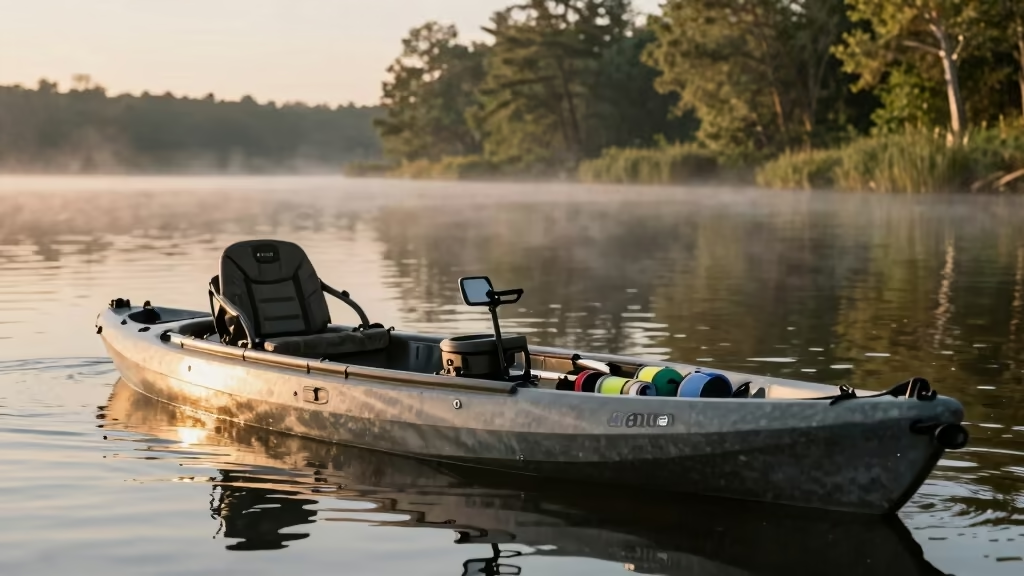
Yes, Costco and Walmart kayaks perform well for fishing in calm freshwater lakes, ponds, and slow-moving rivers. These kayaks use wide, stable hulls (typically 30-34 inches) that handle light chop and provide enough stability for seated casting. The Lifetime Tamarack Angler, sold at both retailers, features a 275-lb capacity, two flush-mounted rod holders, and a rear storage well that fits a small cooler or tackle crate.
Best conditions for big-box fishing kayaks:
- Lakes with minimal boat traffic and wave action
- Ponds and reservoirs under 100 acres
- Rivers with Class I water (slow current, no rapids)
- Shoreline fishing within 500 yards of launch
Limitations to expect:
- Tracking suffers in wind – shorter lengths (10-10.5 feet) and flat hulls make paddling harder when wind picks up above 10 mph
- Speed is slow – recreational hulls prioritize stability over glide, so covering distance takes more effort
- Seat comfort fades after 2-3 hours – basic molded seats lack lumbar support found in beginner kayak fishing models with adjustable frames
One common mistake: overloading these kayaks near their weight limit. A 275-lb capacity kayak feels stable at 200 lbs of total weight (person plus gear) but becomes tippy and sits lower in the water at 260 lbs, making every movement feel precarious.
Costco vs Walmart Kayak Brands Comparison
Costco primarily stocks Lifetime kayaks, while Walmart carries both Lifetime and Pelican models, with occasional Perception and Sun Dolphin options. Lifetime and Pelican dominate the budget fishing kayak market and offer nearly identical quality at similar price points ($250-$450).
| Feature | Lifetime (Costco/Walmart) | Pelican (Walmart) |
|---|---|---|
| Price range | $280-$450 | $250-$400 |
| Hull material | High-density polyethylene (HDPE) | RAM-X polyethylene |
| Typical weight | 50-65 lbs | 45-55 lbs |
| Rod holders | 2 flush-mount | 2 molded + 1 adjustable |
| Warranty | 5-year limited | 90-day to 1-year |
| Color options | Bright (yellow, lime, orange) | Muted (camo, gray, blue) |
Lifetime kayaks use thicker HDPE plastic that resists impacts better but adds weight. The Tamarack Angler 100 (10 feet) is the most common fishing model, with a wide beam (31 inches) and multiple footrest positions. Lifetime’s 5-year warranty covers manufacturing defects but not UV damage or normal wear.
Pelican kayaks use lighter RAM-X material that’s easier to car-top and carry but dents more easily on rocky launches. The Pelican Catch 100 and Catch 120 offer similar layouts to Lifetime models but include an adjustable rod holder and slightly better seat padding. Pelican’s warranty is shorter (90 days to 1 year depending on model), which signals lower confidence in long-term durability.
Choose Lifetime if: you prioritize impact resistance, plan to drag your kayak over gravel or rocks, and want longer warranty coverage.
Choose Pelican if: you need a lighter kayak for solo loading, prefer adjustable rod holders, and fish primarily from sandy or grassy launches.
For a deeper look at how different models stack up, check our fishing kayak comparison guide.

Clear Vu scanning Sonar shows you more of what is in the water around your boat; This high frequency sonar gives near photographic images with detailed representations of objects, structure and fish

PLEASE NOTE - Before installing the side panels, be sure to remove the rubber feet first. Reattach them only after the main body is fully assembled. Skipping this step may result in poor alignment between the side and bottom panels.
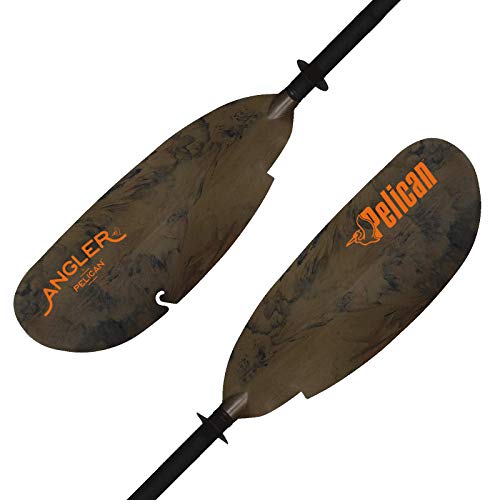
Longer reach:This high-quality paddle is extra long and sized to fit modern fishing kayaks over 34" wide.
Lifetime Tamarack Angler Kayak Review
The Lifetime Tamarack Angler 100 is the most widely available fishing kayak at Costco and Walmart, typically priced at $280-$350. This 10-foot sit-on-top kayak weighs 52 lbs, has a 275-lb capacity, and includes two flush-mounted rod holders, a rear tank well with bungee cords, and front and rear storage hatches.
What works well:
- Stable platform for seated fishing – 31-inch beam provides confidence for beginners
- Multiple footrest positions accommodate paddlers from 5’2″ to 6’4″
- Durable construction – thick HDPE plastic survives scrapes and bumps
- Easy to transport – molded side handles and bow/stern toggles make two-person carries simple
- Good storage capacity – rear tank well fits a 5-gallon bucket or small cooler
What falls short:
- Uncomfortable seat – thin padding and no lumbar support cause back fatigue after 90 minutes
- Poor tracking – flat hull and short length require constant paddle correction in wind
- Limited rod holder angles – flush mounts only work for vertical storage, not trolling
- No accessory tracks – adding fish finders or rod holder extensions requires drilling
The Tamarack Angler works best for anglers who fish 2-3 hours at a time, stay within sight of shore, and don’t need to cover more than a mile of water per trip. It’s a solid first kayak for someone testing whether they enjoy kayak fishing before investing in a premium model.
One edge case: taller paddlers (6’2″+) often find the footrests too close even at maximum extension, forcing an uncomfortable bent-knee position that causes leg cramps on longer paddles.
Are Cheap Kayaks from Big Box Stores Durable Enough for Saltwater Fishing?
Budget kayaks from Costco and Walmart can handle occasional saltwater use but are not built for regular ocean or coastal fishing. The polyethylene plastic used in Lifetime and Pelican kayaks resists corrosion, but hardware (screws, bungee hooks, drain plugs) often rusts within 6-12 months of saltwater exposure unless rinsed thoroughly after every trip.
Saltwater challenges for budget kayaks:
- UV degradation accelerates – constant sun exposure in coastal environments causes plastic to become brittle faster (2-3 years versus 4-5 years in freshwater)
- Hardware corrosion – steel screws and aluminum rivets rust quickly; stainless steel upgrades cost $20-40
- Hull flex in waves – thinner plastic flexes more in choppy water, creating stress cracks near scupper holes
- Limited stability in swells – 10-foot recreational hulls struggle in 2+ foot waves common in nearshore fishing
If you plan to fish saltwater more than 5-6 times per year, invest in a kayak with marine-grade hardware and thicker hull construction. For occasional bay or estuary trips, a Costco or Walmart kayak works if you:
- Rinse with fresh water immediately after every saltwater trip
- Replace all hardware with stainless steel screws and bolts ($25-40 at hardware stores)
- Apply UV protectant spray (303 Aerospace Protectant) every 2-3 months
- Store indoors or under cover to minimize sun exposure
For more on saltwater-specific considerations, see our guide to ocean kayak fishing.

Functionality Redefined: Engineered to hold, clamp, and optimize an array of structures including T-rails, fences, milling jigs, and clamp assemblies, our T-slot screws excel in versatility. Designed for 1/4”-20 internal thread applications, they seamlessly integrate with all kayak tracks, offering unparalleled adaptability.

STAINLESS Steel. Our eyes pads and screws are made of 316 stainless steel. They will not rust, even in water, which greatly extends their service life

Material: Made of Stainless steel. Kayak track mount provides high Anti-rust performance even in salt water environment.
How Much Should I Spend on a Beginner Fishing Kayak?
Beginners should budget $300-$500 for a first fishing kayak if buying from Costco or Walmart, or $600-$900 for an entry-level model from a specialty brand like Perception, Vibe, or Old Town. The sweet spot for most new anglers is $400-$600, which buys a stable platform with basic fishing features and enough quality to last 3-5 years of regular use.
Budget breakdown by experience level:
- $250-$350 (Casual/Testing) – Lifetime Tamarack, Pelican Catch 100; good for 5-10 trips per year to see if you enjoy kayak fishing
- $400-$600 (Committed Beginner) – Perception Pescador 10, Vibe Skipjack 90; better seats, more storage, improved tracking for 15-25 trips per year
- $700-$1,200 (Serious Angler) – Vibe Sea Ghost 110, Old Town Topwater 106; pedal-drive options, premium features, built for 30+ trips per year
What you get for more money:
- Better seat comfort (adjustable frames, thicker padding, breathable mesh)
- Accessory track systems for mounting fish finders, rod holders, and camera arms
- Improved hull designs that track straighter and paddle faster
- Higher weight capacities (350-450 lbs versus 250-300 lbs)
- Longer warranties (5-10 years versus 90 days to 1 year)
A common mistake: buying the cheapest kayak possible, hating the experience due to discomfort or poor performance, and then upgrading within a year. If you know you’ll fish 15+ times per season, skip the $250 kayak and start at $400-$500 to avoid the double purchase.
For more guidance on choosing your first kayak, visit our fishing kayak buying guide.
Do Walmart Kayaks Have Rod Holders and Storage?
Yes, fishing-specific models at Walmart include rod holders and storage, but the quality and adjustability are basic compared to specialty kayaks. Most Walmart fishing kayaks (Lifetime Tamarack Angler, Pelican Catch series) come with two flush-mounted rod holders molded into the hull and a rear tank well with bungee cords for securing a cooler or crate.
Standard features on Walmart fishing kayaks:
- 2 flush-mounted rod holders – vertical orientation only, no angle adjustment
- Rear tank well – open storage area behind the seat with bungee tie-downs
- Front and rear storage hatches – small dry compartments (typically 6-8 inches diameter) for keys, phone, wallet
- Paddle keeper – molded clip or bungee loop to secure paddle while fishing
- Multiple footrest positions – 3-5 adjustable settings for different leg lengths
What’s missing compared to premium kayaks:
- No accessory tracks – can’t easily add adjustable rod holders, fish finder mounts, or camera arms without drilling
- No anchor trolley system – must manually hold position or add aftermarket kit ($30-50)
- Limited gear attachment points – fewer D-rings and bungee loops for securing nets, pliers, or stringers
- No built-in fish finder mounts – requires DIY installation or third-party mounting systems
One workaround: many anglers add a milk crate or tackle storage system to the rear tank well, using the existing bungee cords to secure it. This adds 4-6 rod holders (via PVC pipe inserts) and organized tackle storage for under $40 in materials.
Best Fishing Kayak Alternatives to Costco and Walmart
If budget kayaks don’t meet your needs, consider these alternatives that offer better performance, features, or specialization for $600-$1,200:
Perception Pescador 10 or 12 ($600-$750) – Comfortable seat, better tracking, accessory tracks, and a proven hull design. Available at Dick’s Sporting Goods and online retailers.
Vibe Skipjack 90 or Sea Ghost 110 ($700-$1,000) – Includes fish finder mount, premium seat, multiple rod holders, and accessory rails. Direct-to-consumer pricing keeps costs lower than traditional brands.
Old Town Topwater 106 or 120 ($900-$1,200) – PDL pedal-drive option, hands-free propulsion, excellent stability for standing, and comprehensive rigging. Best for serious anglers fishing 30+ days per year.
Brooklyn Kayak Company UH-RA 220 ($550-$700) – Budget-friendly but better quality than big-box brands, with accessory tracks, adjustable rod holders, and improved seat comfort. See more about Brooklyn Kayak Company options.
Inflatable fishing kayaks ($400-$800) – Sea Eagle 370 or Advanced Elements StraitEdge offer portability, easy storage, and surprising stability. Best for apartment dwellers or those without roof racks. Learn more about inflatable fishing kayaks.
Choose an alternative if:
- You fish more than 15 times per season
- You need to paddle more than 2 miles round-trip regularly
- You target larger fish (bass over 5 lbs, pike, muskie) that require better stability
- You want to add electronics (fish finder, GPS) without extensive DIY work
- You fish in conditions beyond calm lakes (rivers with current, bays with tides, nearshore ocean)

SUPER-TOUGH – 3-ply laminate construction combined with SuperStrong enhanced molecular formulation PVC provides superior structural strength and unmatched resistance to damage from abrasion, impact and sunlight, while allowing more pressure for rigidity
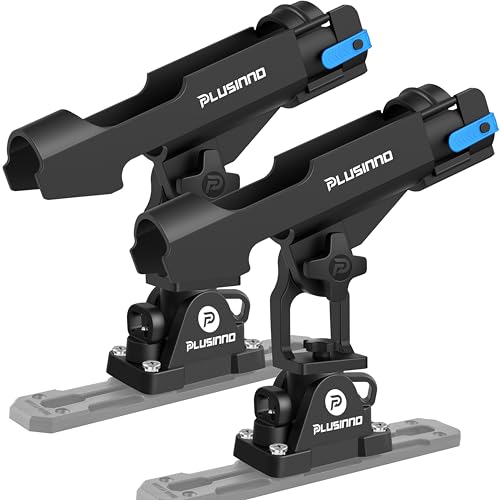
Innovative Stable Fishing Rod Holders: The rod holders for fishing boat features silicone gaskets that designed for optimal stability, maximize contact area and enhance friction, ensuring a secure and stable grip without leaving any scratches on your boat, which allows anglers to focus entirely on the thrill of the catch. A must-have boat pole holders fishing accessories for kayak fishing enthusiasts, this kayak rod holder enhances both convenience and performance on the water.

Sufficient Quantity Assurance: each package contains two glue on pad for inflatable boats, a product meticulously crafted to provide you with diverse options for your fishing adventures, fully satisfying various needs for use and replacement
Common Problems with Budget Fishing Kayaks
Budget kayaks from Costco and Walmart share several recurring issues that affect performance and longevity. Knowing these problems helps you decide whether to accept them, plan workarounds, or invest in a better kayak.
Most frequent complaints:
1. Seat discomfort – Thin padding and lack of lumbar support cause back pain after 60-90 minutes. Fix: Upgrade to an aftermarket seat ($80-150) or add a stadium seat cushion ($20-30).
2. Poor tracking – Flat hulls and short lengths require constant paddle correction, especially in wind. Fix: Add an aftermarket skeg or rudder ($40-100), though installation requires drilling.
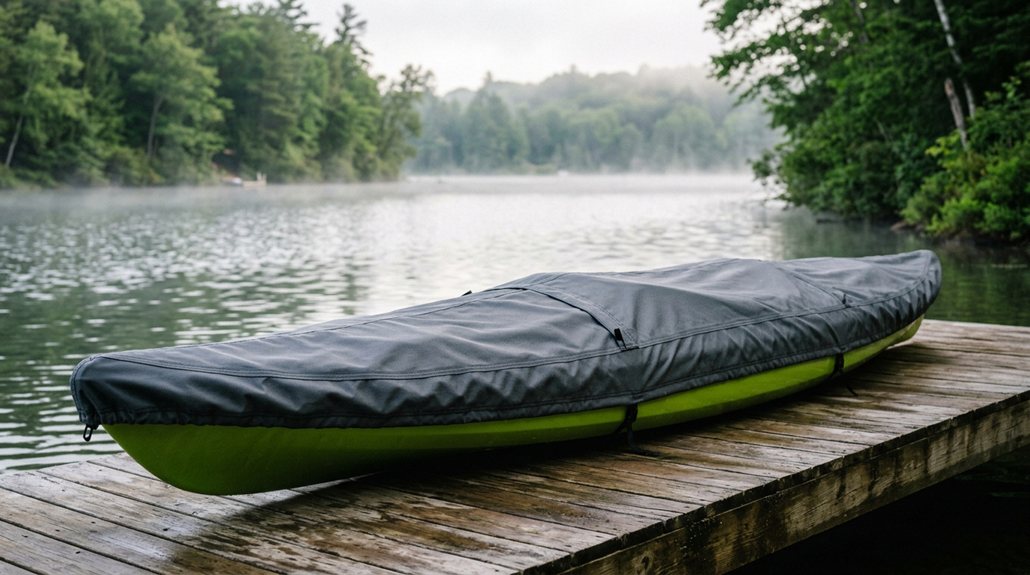
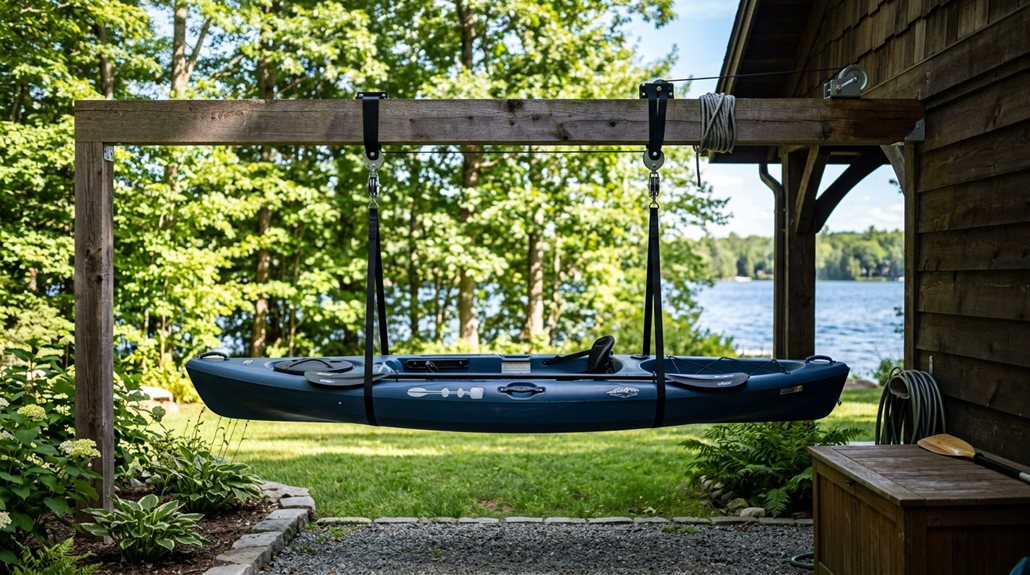
3. Hull warping – Storing kayaks in direct sun or on uneven surfaces causes plastic to deform, creating permanent bends. Prevention: Store on padded racks or suspended straps, always under cover or indoors.
4. Hardware rust – Steel screws and rivets corrode quickly, especially in saltwater. Fix: Replace all hardware with stainless steel fasteners ($25-40).
5. Scupper plug leaks – Factory scupper plugs often fit loosely, allowing water to seep into the cockpit. Fix: Buy universal scupper plugs ($10-15) sized for your specific holes.
6. Limited weight capacity – Advertised capacities include kayak weight, so a 275-lb rating means only 220-230 lbs of usable capacity (person plus gear). Workaround: Keep total load under 80% of rated capacity for best stability.
7. Paddle keeper failures – Molded paddle clips break easily, dropping your paddle in the water. Fix: Add a paddle leash ($8-12) as backup.
One mistake beginners make: assuming all problems are user error rather than design limitations. If your kayak spins in circles despite proper paddle technique, the hull design is the issue, not your skill.
Are Costco Kayaks Good for Ocean Fishing or Just Lakes?
Costco kayaks are designed for calm lakes and protected waters, not ocean fishing. The Lifetime Tamarack and similar models lack the length, hull design, and stability needed for nearshore ocean conditions where waves, currents, and wind create challenging environments.
Why big-box kayaks struggle in ocean conditions:
- Too short for wave penetration – 10-foot hulls get pushed around by 2+ foot swells; ocean kayaks typically run 12-14 feet
- Insufficient rocker – flat bottoms designed for lake stability become unstable in rolling waves
- Low weight capacity – ocean fishing requires more safety gear (PFD, radio, flares, anchor) plus heavier tackle, quickly exceeding 275-lb limits
- No sealed bulkheads – if you capsize, recreational kayaks flood completely and are nearly impossible to re-enter
When a Costco kayak might work for saltwater:
- Protected bays and estuaries with minimal wave action (under 1 foot)
- Calm days only – wind under 10 mph, no small craft advisories
- Within 200 yards of shore – close enough to swim back if conditions change
- Experienced paddlers who understand ocean safety and self-rescue techniques
If you plan regular ocean fishing, invest in a kayak designed for those conditions: 12+ feet long, 350+ lb capacity, sealed hatches, and marine-grade hardware. For occasional calm-day bay fishing, a Costco kayak can work with proper safety precautions (PFD, whistle, radio, float plan).
For more on saltwater considerations, explore our saltwater fishing resources.
Who Should Buy a Walmart Kayak vs a Specialty Fishing Kayak?
Buy a Walmart or Costco kayak if you:
- Fish fewer than 15 times per year
- Stick to calm lakes, ponds, or slow rivers
- Want to test kayak fishing before committing to the hobby
- Have a strict budget under $400
- Fish close to shore (under 500 yards from launch)
- Don’t need electronics or advanced rigging
- Prefer simple, low-maintenance gear
Buy a specialty fishing kayak ($600-$1,500) if you:
- Fish 20+ times per season
- Target larger fish or fish in current/tidal waters
- Need to paddle 2+ miles regularly
- Want to add fish finders, GPS, or other electronics
- Fish in saltwater or brackish environments
- Require standing stability for sight fishing
- Value comfort for 4+ hour trips
- Plan to keep the kayak 5-10 years
The decision often comes down to commitment level. If you’re curious about kayak fishing but unsure you’ll stick with it, a $300 Walmart kayak lets you explore the hobby without major financial risk. If you already fish from shore or a boat and know you’ll kayak fish regularly, the extra $300-500 for a specialty kayak pays off in comfort, performance, and longevity.
One edge case: anglers who fish multiple times per week often skip the budget kayak entirely and start with a mid-range model ($800-1,200) because they know they’ll outgrow a basic kayak within months.
Can You Add a Fish Finder to a Costco Kayak?
Yes, you can add a fish finder to a Costco or Walmart kayak, but it requires DIY installation since these kayaks lack factory fish finder mounts. Most anglers use one of three mounting methods: RAM mount systems, milk crate mounts, or through-hull transducer installations.
Fish finder mounting options:
1. RAM mount system ($80-120 total) – Attaches to existing screw holes or uses adhesive pads. Includes adjustable arm and transducer mount. No drilling required for basic setups.
2. Milk crate mount ($50-80) – Mount fish finder to a plastic crate secured in the rear tank well. Transducer hangs over the side via PVC pipe or suction cup. Portable and removable.
3. Through-hull installation ($100-150) – Drill hole for transducer, install with marine sealant. Provides best sonar performance but permanent modification. Requires waterproof battery box.
What you’ll need:
- Fish finder unit (Garmin Striker 4, Humminbird Helix 5, or similar: $150-300)
- Mounting hardware (RAM mount or DIY materials: $30-80)
- 12V battery (small sealed lead-acid or lithium: $40-100)
- Waterproof battery box ($20-40)
- Wiring and connectors ($15-25)
Installation tips:
- Test before drilling – Use temporary mounts (suction cups, adhesive pads) to find optimal screen position
- Protect wiring – Run cables through PVC conduit or split loom tubing to prevent snags
- Balance weight – Place battery opposite the fish finder to maintain kayak balance
- Secure everything – Use bungee cords or cam straps so nothing shifts while paddling
One common mistake: mounting the screen too far forward where sun glare makes it unreadable. Position the fish finder within arm’s reach but angled away from direct sun, typically just behind or beside the seat.
For more on electronics and accessories, check our kayak fish finder guide and tips on reading fish finder screens.
Do Big Box Store Kayaks Come with a Warranty?
Yes, but warranty coverage varies significantly by brand and is generally much shorter than specialty kayak warranties. Lifetime kayaks sold at Costco and Walmart include a 5-year limited warranty covering manufacturing defects, while Pelican kayaks typically offer 90 days to 1 year depending on the model.
Warranty comparison:
| Brand | Coverage Period | What’s Covered | What’s Excluded |
|---|---|---|---|
| Lifetime | 5 years | Manufacturing defects, hull cracks from normal use | UV damage, scratches, user modifications, fading |
| Pelican | 90 days – 1 year | Manufacturing defects only | Normal wear, UV damage, impact damage, modifications |
| Perception | 1 year | Defects in materials and workmanship | Wear and tear, sun damage, improper storage |
| Specialty brands | 5-10 years | Comprehensive defects, some hull damage | Abuse, modifications, commercial use |
Important warranty limitations:
- Proof of purchase required – Keep your receipt; most retailers won’t honor warranty claims without it
- No coverage for modifications – Drilling holes for fish finder mounts or accessory tracks voids most warranties
- Shipping costs on you – If warranty repair is approved, you typically pay to ship the kayak to the manufacturer
- Prorated coverage – Some warranties reduce coverage percentage each year (100% year 1, 80% year 2, etc.)
Costco’s return policy is often more valuable than the manufacturer warranty. Costco accepts kayak returns within 90 days for any reason, including “I don’t like it” or “It’s not comfortable.” This effectively gives you a 90-day trial period.
One edge case: hull cracks from manufacturing defects versus impact damage. Manufacturers often claim visible cracks resulted from hitting rocks or dropping the kayak (not covered) rather than material failure (covered). Document any damage with photos and detailed notes to support warranty claims.
Mistakes People Make Buying Their First Fishing Kayak
New kayak anglers often make predictable mistakes that lead to frustration, wasted money, or safety issues. Avoiding these errors helps you choose the right kayak and enjoy the sport from day one.
Most common first-kayak mistakes:
1. Buying too small or too short – A 10-foot kayak with 275-lb capacity feels cramped once you add gear. Better choice: 11-12 feet with 350+ lb capacity gives room to grow.
2. Ignoring seat comfort – “I’ll only be out for an hour” turns into three hours when fish are biting. Fix: Test the seat before buying or budget $80-150 for an upgrade.
3. Overlooking transport logistics – A 65-lb kayak is manageable in the store but brutal to load solo onto an SUV roof. Solution: Consider weight, roof rack options, or kayak transport alternatives before buying.
4. Skipping the paddle upgrade – Factory paddles are heavy and inefficient. Investment: A lightweight aluminum or fiberglass paddle ($60-120) reduces fatigue significantly.
5. Underestimating storage needs – “I’ll just bring one rod and a small tackle box” lasts one trip. Reality: You’ll want multiple rods, net, cooler, anchor, and safety gear within weeks.
6. Choosing color for looks over function – Bright colors (yellow, lime, orange) are easier for boaters to see and safer in emergencies than camo or dark colors.
7. Not testing stability before buying – If possible, sit in the kayak on the ground and rock side to side. If it feels tippy on land, it’ll feel worse on water.
8. Forgetting about kayak width and stability – Wider kayaks (30+ inches) sacrifice speed for stability. Narrow kayaks (under 28 inches) paddle faster but feel tippier.
9. Buying without a float plan – Know where you’ll launch, how far you’ll paddle, and what conditions you’ll face before choosing a kayak.
10. Skipping safety gear – Budget $100-150 for a proper PFD, whistle, bilge pump, and paddle float even if you’re a strong swimmer.
Pelican vs Lifetime Kayaks: Which Is Better for Fishing?
Pelican and Lifetime kayaks offer similar quality and features at comparable prices, with differences mainly in weight, warranty, and minor design details. Neither brand is definitively “better” – the right choice depends on your priorities.
Pelican advantages:
- Lighter weight – RAM-X plastic weighs 5-10 lbs less than Lifetime’s HDPE, making solo loading easier
- Adjustable rod holders – Most Pelican fishing models include at least one adjustable rod holder versus Lifetime’s flush-mount-only design
- Better color options – Camo and neutral tones blend into natural environments better for wildlife photography or hunting
Lifetime advantages:
- More impact-resistant – Thicker HDPE plastic handles rocky launches and accidental drops better
- Longer warranty – 5 years versus 90 days to 1 year for Pelican
- Wider availability – Sold at both Costco and Walmart, often with seasonal sales
Performance comparison:
Both brands use similar hull designs (flat-bottomed, wide beam, recreational shape) that prioritize stability over speed. Tracking, comfort, and storage capacity are nearly identical across comparable models. The Lifetime Tamarack Angler 100 and Pelican Catch 100 perform almost identically on the water.
Choose Pelican if: you prioritize lighter weight for solo transport, want adjustable rod holders, and don’t mind a shorter warranty.
Choose Lifetime if: you fish from rocky or rough launches, value longer warranty coverage, and don’t mind carrying a heavier kayak.
One deciding factor: availability. If your local Walmart stocks Pelican but not Lifetime (or vice versa), that convenience often outweighs minor performance differences. Both brands deliver adequate quality for recreational fishing in calm water.
Frequently Asked Questions
How long do Costco and Walmart kayaks last?
Budget kayaks from Costco and Walmart typically last 3-5 years with regular use (15-25 trips per year) and proper care. UV exposure, storage conditions, and launch surface (sand versus rocks) significantly affect longevity. Kayaks stored outdoors in direct sun may show brittleness and fading within 2-3 years, while those stored indoors or covered can last 6-8 years.
Can you stand up in a Walmart fishing kayak?
Most Walmart fishing kayaks are stable enough for brief standing (casting, stretching) but not designed for extended stand-up fishing. The 30-32 inch beam provides adequate initial stability for anglers under 200 lbs in calm water, but any movement while standing feels precarious. Specialty stand-up kayaks have 34-38 inch beams and pontoon-style hulls for better stability.
What’s the weight limit on Costco kayaks?
Most Costco fishing kayaks (Lifetime Tamarack Angler, Lifetime Teton) have weight capacities of 275-300 lbs. This includes the paddler, all gear, cooler, tackle, and catch. For best stability and performance, keep total weight under 80% of rated capacity (220-240 lbs for a 275-lb kayak). Exceeding capacity makes the kayak sit lower, paddle slower, and feel unstable.
Do I need a roof rack for a Costco kayak?
A roof rack makes transport safer and easier but isn’t strictly required. Budget alternatives include foam blocks ($20-30), pool noodles with straps ($15), or inflatable roof pads ($40-60). Always use bow and stern tie-downs in addition to roof straps to prevent the kayak from shifting. For more transport options, see our guide to DIY kayak transport.
Are inflatable kayaks better than hard-shell Walmart kayaks?
Inflatable kayaks offer easier storage and transport but sacrifice some stability and durability compared to hard-shell models. Quality inflatables ($400-800) perform similarly to budget hard-shells for calm-water fishing but are more vulnerable to punctures from hooks, rocks, and sharp objects. Choose inflatable if storage space or vehicle transport is your primary concern. Learn more about inflatable kayaks.
Can you fish rivers with a Costco kayak?
Yes, but only slow-moving rivers with Class I water (minimal current, no rapids). Budget kayaks lack the maneuverability and tracking needed for rivers with moderate current or obstacles. The flat hull design makes them difficult to control in moving water, and short length limits your ability to ferry across current. Stick to lazy rivers, slow sections, and backwater areas. For more, see our river kayak fishing guide.
What accessories should I buy with a budget fishing kayak?
Essential accessories for a Walmart or Costco fishing kayak include: quality paddle ($60-120), comfortable PFD ($50-100), paddle leash ($8-12), anchor kit ($30-50), rod leash ($10-15), dry bag for phone/keys ($15-25), and bilge pump ($15-20). Budget $200-350 for accessories beyond the kayak itself.
How do you transport a kayak without a truck?
Most cars and SUVs can transport a kayak using roof racks, foam blocks, or inflatable pads. Secure the kayak with cam straps across the roof and add bow/stern tie-downs to prevent shifting. For vehicles without roof rails, foam blocks ($20-30) or pool noodles work for short trips under 30 miles at speeds under 55 mph. See our car top kayak tips.
Do you need to register a kayak from Walmart?
Registration requirements vary by state. Most states require registration for motorized kayaks but not paddle-only models. Some states (Pennsylvania, Ohio, New York) require all kayaks to be registered regardless of propulsion. Check your state’s boating regulations before launching. For details, visit our kayak registration guide.
Can you add a trolling motor to a Costco kayak?
Yes, but it requires modifications (drilling for motor mount and battery placement) that void the warranty. Budget kayaks lack reinforced transoms or motor mounts, so you’ll need to fabricate a mounting system or use a clamp-on transom mount ($40-80). Total cost including motor, battery, and hardware runs $300-500. Most anglers who want motorized propulsion are better off buying a kayak designed for motors.
What’s the best time of year to buy a kayak at Costco or Walmart?
Late summer through fall (August-October) offers the best deals as retailers clear inventory for winter. End-of-season sales can save 20-40% off spring prices. Spring (March-May) has the widest selection but highest prices. Black Friday and Memorial Day sales occasionally include kayak discounts but selection is limited.
How much does it cost to fully rig a budget fishing kayak?
Expect to spend $300-600 beyond the kayak purchase to fully rig a budget fishing kayak with essential accessories: upgraded seat ($80-150), quality paddle ($60-120), rod holders ($30-60), anchor system ($30-50), fish finder ($150-300), battery and box ($60-140), safety gear ($100-150), and storage crate ($30-50). Many anglers add accessories gradually over the first season rather than all at once.
Conclusion
Budget fishing kayaks from Costco and Walmart serve a specific purpose: introducing anglers to kayak fishing without major financial commitment. The Lifetime Tamarack Angler and Pelican Catch series deliver adequate stability, basic fishing features, and acceptable durability for calm freshwater fishing at prices ($250-$450) that make the sport accessible to beginners and casual anglers.
These kayaks work best for fishing calm lakes and ponds within 500 yards of shore, 5-15 times per season, with gear loads under 220 lbs. They struggle in wind, track poorly compared to longer kayaks, and lack the comfort and features serious anglers need for all-day trips or challenging conditions.
Your next steps:
Assess your commitment level – If you’ll fish fewer than 15 times per year in protected water, a big-box kayak makes sense. If you plan 20+ trips or fish in current, tides, or saltwater, budget $600-1,200 for a specialty kayak.
Test before buying – Visit Costco or Walmart, sit in the kayak, check seat comfort, and verify it fits your vehicle for transport.
Budget for accessories – Set aside $200-350 for a quality paddle, PFD, anchor, and safety gear beyond the kayak cost.
Plan your first launch – Identify a calm lake or pond with easy access, check local kayak launch fees, and go during low-wind conditions for your first trip.
Join local kayak fishing groups – Facebook groups and forums provide launch recommendations, rigging tips, and used gear deals in your area.
The question “Are Costco/Walmart Kayaks Good for Fishing?” has a clear answer: yes, for beginners and casual anglers fishing calm water on a budget. They’re not good for serious anglers, challenging conditions, or long-term use. Know your needs, accept the limitations, and you’ll get solid value from a big-box fishing kayak.