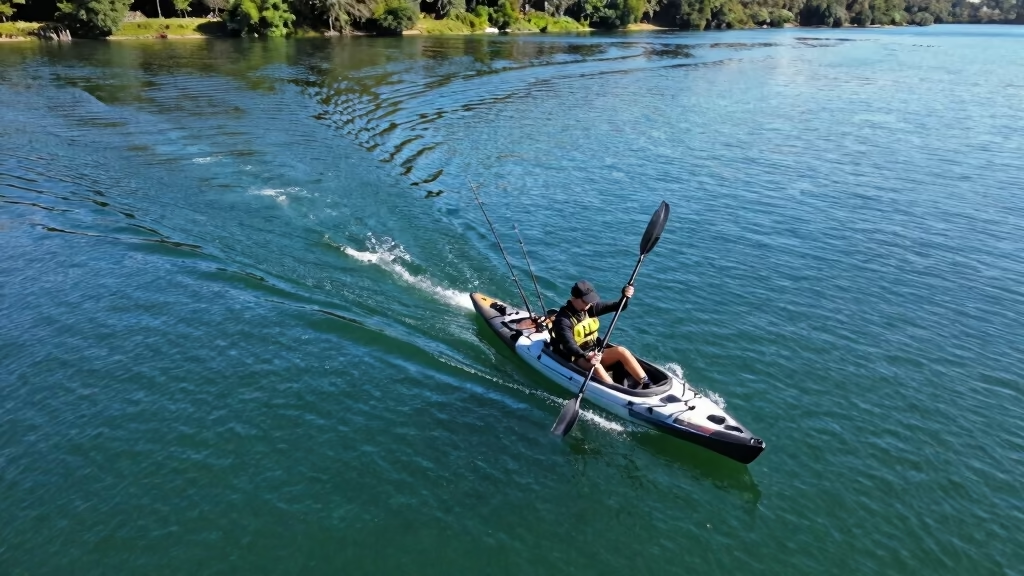
Most fishing kayaks travel between 2 to 4 mph during typical paddling, with experienced paddlers reaching 3.5 mph comfortably for extended periods. Pedal-driven models can sustain 4 to 5 mph, while motorized fishing kayaks reach 5 to 8 mph depending on motor size and hull design. Speed varies significantly based on kayak width, length, propulsion method, paddler fitness, water conditions, and the amount of fishing gear loaded on board.
Key Takeaways
- Average paddling speed for fishing kayaks ranges from 2 to 4 mph, with 3 mph being a comfortable cruising pace for most anglers
- Pedal drive systems typically deliver 25-40% more speed than paddle propulsion, reaching 4 to 5 mph sustained
- Motorized fishing kayaks achieve 5 to 8 mph with trolling motors, depending on motor thrust and battery capacity
- Hull design matters: wider, more stable fishing kayaks (32+ inches) sacrifice 0.5 to 1 mph compared to narrower touring kayaks
- Kayak length directly impacts top speed—longer hulls (13+ feet) glide faster than shorter models (10 feet or less)
- Loaded weight from fishing gear, coolers, and equipment can reduce speed by 15-25% compared to an empty kayak
- Water conditions like wind, current, and chop significantly affect real-world speed regardless of kayak type
- You don’t need high speed for successful kayak fishing—2.5 to 3.5 mph covers most fishing scenarios efficiently
- Speed and stability trade-off: the fastest fishing kayaks often feel less stable when casting or landing fish
- Fitness level and paddling technique influence speed as much as kayak design for paddle-powered models
What Is the Average Speed of a Fishing Kayak?
The average fishing kayak travels at 2.5 to 3.5 mph when paddled at a comfortable, sustainable pace by a recreational angler. This speed allows you to cover 2 to 3.5 miles per hour while conserving energy for fishing activities. Sprint speeds can reach 4 to 5 mph for short bursts, but most anglers cannot maintain this pace for more than a few minutes.
Several factors determine where your specific kayak falls within this range:
- Paddler experience: Beginners typically cruise at 2 to 2.5 mph, while experienced paddlers maintain 3 to 3.5 mph
- Kayak design: Sleeker fishing kayaks with narrower beams approach the higher end of the range
- Conditions: Calm water with no wind allows for average speeds; headwinds can drop speed by 1 mph or more
- Trip duration: Shorter trips allow higher average speeds; all-day fishing trips typically see lower averages
For context, touring kayaks designed purely for speed average 4 to 5 mph, while recreational kayaks fall between 2.5 to 3.5 mph—similar to fishing kayaks. The difference comes from fishing kayaks prioritizing stability and gear capacity over hydrodynamic efficiency.
When planning fishing trips, use 2.5 mph as a conservative estimate for calculating travel time to your fishing spot. This accounts for occasional stops, gear adjustments, and the reality that you’ll be carrying fishing equipment that adds weight and drag.
How Fast Can You Paddle a Fishing Kayak Compared to a Regular Kayak?
Fishing kayaks typically paddle 0.5 to 1.5 mph slower than comparable-length touring or recreational kayaks due to their wider hulls, heavier weight, and added fishing gear. A 12-foot touring kayak might cruise at 4 mph, while a 12-foot fishing kayak of similar construction averages 3 mph under the same conditions with the same paddler.
The speed difference stems from several design trade-offs:
Width penalty: Fishing kayaks measure 30 to 36 inches wide for stability when casting and landing fish, while touring kayaks range from 22 to 28 inches. Each additional inch of width increases water resistance and reduces glide efficiency.
Weight factor: Fishing kayaks weigh 60 to 100+ pounds before adding gear, compared to 40 to 60 pounds for touring kayaks. Heavier kayaks require more energy to accelerate and maintain speed.
Hull shape: Fishing kayaks feature flatter, more stable hull designs that sacrifice the streamlined V-shaped hulls found on speed-oriented kayaks. Flat hulls create more surface friction with water.
Gear drag: Rod holders, fish finders, anchor systems, and other fishing accessories create additional wind and water resistance that touring kayaks don’t carry.
However, fishing kayaks excel where it matters for anglers—they provide a stable casting platform, ample gear storage, and the ability to stand and sight-fish. The speed sacrifice is intentional and worthwhile for the fishing-specific benefits. If you need to cover long distances quickly, consider a fishing kayak with pedal drive or a hybrid design that balances speed and fishing features.
Do Pedal Drive Fishing Kayaks Go Faster Than Paddle Kayaks?
Yes, pedal drive fishing kayaks consistently travel 25 to 40% faster than paddle-powered models of similar size and design. Most pedal kayaks cruise comfortably at 4 to 5 mph, with some anglers reaching 5.5 to 6 mph during sustained effort. This speed advantage comes from the superior power transfer and endurance that leg muscles provide compared to upper body paddling.
Why pedal drives are faster:
- Leg power: Your legs generate 3 to 4 times more sustained power than your arms and core, allowing higher speeds with less fatigue
- Continuous propulsion: Pedaling maintains constant forward motion, while paddling creates a pause between strokes that reduces average speed
- Hands-free operation: You can pedal while managing fishing gear, maintaining speed during activities that would stop a paddle kayaker
- Efficient mechanics: Modern propeller and fin-based pedal systems convert leg motion into forward thrust more efficiently than paddles convert arm motion
Speed comparison by propulsion type:
| Propulsion Method | Cruising Speed | Sprint Speed | Endurance |
|---|---|---|---|
| Paddle (recreational angler) | 2.5-3.5 mph | 4-5 mph | Moderate |
| Paddle (experienced) | 3-4 mph | 5-6 mph | Good |
| Pedal drive | 4-5 mph | 5.5-6.5 mph | Excellent |
| Motorized (small trolling motor) | 3-5 mph | 5-7 mph | Battery-dependent |
| Motorized (larger motor) | 5-7 mph | 7-9 mph | Battery-dependent |
The speed advantage makes pedal kayaks ideal for covering long distances to fishing spots, fighting current or wind, and trolling at specific speeds. However, pedal systems add 15 to 30 pounds to kayak weight, increase cost by $500 to $1,500, and require deeper water to operate (typically 2+ feet to avoid striking bottom).
Choose a pedal kayak if you frequently fish large bodies of water, need to cover 5+ miles per trip, or fish in areas with strong current. Stick with paddle power for shallow water fishing, tight spaces, or if budget is a primary concern. For more guidance, check our fishing kayak buying guide.

Fishing Kayak design. Kayak Fishing graphic for kayaking fisherman dad husband fathers who love kayak fishing angling and pedal drive fishing kayaks

Effortless Fins Drive: Glide quietly with our 11lbs kayak pedal fin system, featuring spare fins. Knee-friendly, weed-resistant, and smooth, hands-free propulsion in shallow waters. Ideal for anglers seeking a stealthy, efficient fishing experience

Powerful & Responsive Propeller Drive System: Take control with our smooth kayak propeller drive system, offering hands-free power, quiet acceleration, and easy reverse maneuvering. Perfect for tight spaces, docks, or mangrove fishing
What Affects the Speed of a Fishing Kayak?
Fishing kayak speed depends on six primary factors: hull design, kayak length, width, weight (including gear), propulsion method, and environmental conditions. Understanding these variables helps you choose the right kayak and set realistic speed expectations for your fishing style.
Hull design and shape:
The hull determines how efficiently your kayak moves through water. V-shaped hulls cut through water with less resistance and track straighter at higher speeds, while flat hulls prioritize stability over speed. Most fishing kayaks use a compromise design—slightly rounded with some V-shape at the bow—that balances speed and stability. Pontoon-style hulls on some fishing kayaks offer excellent stability but typically sacrifice 0.5 to 1 mph compared to traditional hull designs.
Kayak length:
Longer kayaks glide faster and maintain speed better than shorter models. A 14-foot fishing kayak will consistently outpace a 10-foot model when paddled with equal effort. Length increases waterline, which directly correlates with hull speed (the theoretical maximum speed a displacement hull can achieve). However, longer kayaks are harder to maneuver in tight fishing spots and more difficult to transport.
- 10 feet or less: 2-3 mph typical cruising speed
- 11-12 feet: 2.5-3.5 mph typical cruising speed
- 13-14 feet: 3-4 mph typical cruising speed
- 15+ feet: 3.5-4.5 mph typical cruising speed
Width (beam):
Wider kayaks create more water resistance and drag, reducing speed. A 28-inch-wide kayak will paddle noticeably faster than a 34-inch-wide model of the same length. However, narrow kayaks feel less stable when casting, landing fish, or standing. Most fishing kayaks measure 30 to 34 inches wide—a range that provides adequate stability while maintaining reasonable speed. If speed is your priority and you fish calm water, look for fishing kayaks at the narrower end of this spectrum (30-32 inches).
Weight and load:
Every pound of weight requires more energy to move through water. An empty 70-pound kayak paddles faster than the same kayak loaded with 40 pounds of fishing gear, coolers, and tackle. The weight penalty becomes especially noticeable when accelerating from a stop or paddling into wind or current. Minimize speed loss by carrying only essential gear and distributing weight evenly along the kayak’s centerline.
Paddler fitness and technique:
Your physical conditioning and paddling efficiency dramatically impact speed. Proper technique—torso rotation, blade angle, catch and exit timing—can increase speed by 20 to 30% compared to inefficient paddling. Regular paddlers develop the muscle endurance to maintain higher speeds for longer periods. If you’re new to kayak fishing, expect your average speed to increase by 0.5 to 1 mph over your first season as fitness and technique improve.
Environmental conditions:
Wind, current, waves, and water temperature all affect real-world speed. A 10 mph headwind can reduce your speed by 1 to 2 mph, while a tailwind provides a free speed boost. Paddling against current requires significantly more effort for the same ground speed. Cold water is slightly denser than warm water, creating marginally more resistance, though this effect is minimal compared to wind and current.
How Fast Do Motorized Fishing Kayaks Go?
Motorized fishing kayaks equipped with trolling motors typically reach speeds of 5 to 8 mph, depending on motor thrust rating, battery capacity, kayak weight, and water conditions. Small motors (30-45 lbs thrust) push most fishing kayaks at 3 to 5 mph, while larger motors (55-80 lbs thrust) achieve 5 to 8 mph. Top speed matters less than sustained cruising speed, which usually runs 1 to 2 mph slower than maximum speed to conserve battery life.
Motor size and speed relationship:
- 30-45 lbs thrust: 3-5 mph cruising, suitable for calm water and short trips
- 55-70 lbs thrust: 4-6 mph cruising, handles wind and current, good for all-day fishing
- 80+ lbs thrust: 5-8 mph cruising, overpowered for most fishing kayaks but useful in strong current or ocean kayak fishing
Battery considerations:
Speed drains battery quickly. Running a motor at full throttle might provide only 1 to 2 hours of runtime, while cruising at 60-70% throttle extends battery life to 4 to 6 hours. Most anglers use motors for covering distance to fishing spots, then switch to paddle or pedal power while fishing to conserve battery for the return trip.
Legal and practical limits:
Some states regulate motorized kayak speed or require registration for kayaks with motors above certain horsepower ratings. Additionally, most fishing kayaks aren’t designed for speeds above 8 mph—hull design, stability, and weight distribution become safety concerns at higher speeds. If you regularly need speeds above 6 mph, consider whether a small boat might better suit your needs than a motorized kayak.
Motorized kayaks work best for anglers who fish large reservoirs, need to fight strong current, have physical limitations that make paddling difficult, or want to troll at precise speeds. The trade-offs include added weight (motor plus battery adds 30-60 pounds), cost ($400-$1,500 for motor and battery), and the need to manage battery charging and replacement.
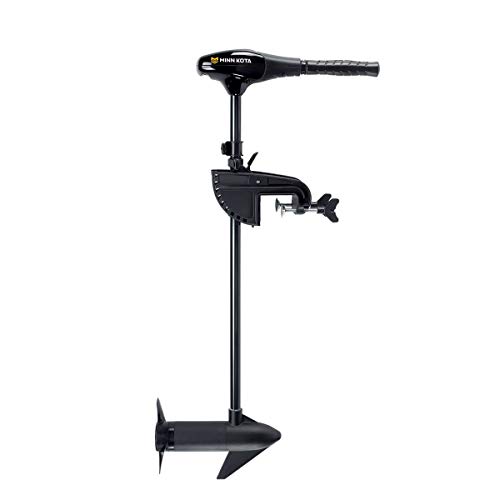
Telescoping Tiller: This 6-inch telescoping tiller provides easy, comfortable, and intuitive control of your trolling motor for all-day fishing trips; Push-to-test battery meter integrated with motor head

【Two Install Ways】 This kayak motor mount works with kayak scupper holes and parallel kayak mount tracks, such as sit-on-top kayaks and fishing kayaks, not for declining flush mount fishing rod holders in the kayak
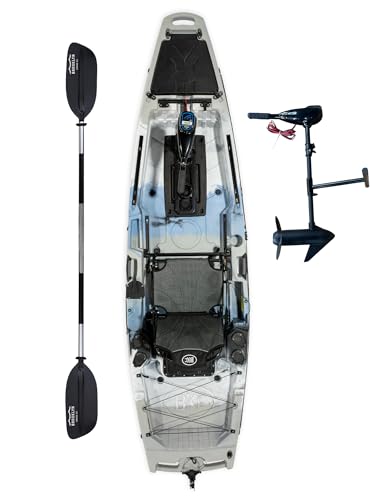
BUILT-IN TROLLING MOTOR FOR EFFORTLESS CRUISING: Integrated motor power lets you cover more water with less effort—perfect for fishing, exploring, or quietly positioning yourself in prime spots. Paddle manually whenever you want for flexibility.
Is 3 MPH Fast for a Fishing Kayak?
Three mph represents a solid, sustainable cruising speed for most fishing kayaks and falls right in the middle of the typical 2 to 4 mph range for paddle-powered models. At 3 mph, you can comfortably cover 3 miles in one hour, which is sufficient for reaching most fishing spots without excessive fatigue. This speed is neither slow nor fast—it’s the practical sweet spot that balances efficiency, endurance, and energy conservation for fishing activities.
What 3 mph means in practice:
- You’ll cover a 2-mile paddle to your fishing spot in about 40 minutes
- You can maintain this pace for 2 to 3 hours without significant fatigue if you’re in reasonable physical condition
- It’s fast enough to make progress against light wind or mild current
- You’re moving efficiently without working so hard that you’re tired before you start fishing
When 3 mph is too slow:
If you’re fighting strong current (2+ mph), dealing with significant headwind, or need to cover 5+ miles to reach fishing areas, 3 mph may feel frustratingly slow. In these situations, consider a pedal drive system or motorized setup that can sustain 4 to 6 mph.
When 3 mph is too fast:
For river kayak fishing in tight quarters, navigating through vegetation, or fishing while drifting, 3 mph is unnecessarily fast. Slow, controlled movement at 1 to 2 mph works better for precision positioning and stealthy approaches to fish.
Most recreational anglers find 3 mph to be their natural, comfortable pace after gaining some experience. If you’re consistently paddling slower than 2.5 mph, focus on improving technique or building paddling-specific fitness. If you’re regularly exceeding 4 mph, you’re likely working harder than necessary for typical fishing trips.
Best Fishing Kayak for Speed and Stability
The best fishing kayaks for balancing speed and stability measure 12 to 14 feet long with a 30 to 32-inch beam, feature a modified V-hull design, and offer pedal drive options. These dimensions provide enough length for good glide and tracking speed while maintaining sufficient width for stable casting and fish-fighting. Models in this category typically cruise at 3.5 to 4.5 mph when paddled and 4.5 to 5.5 mph with pedal drives.
Key features to look for:
- Length: 12-14 feet provides the best speed-to-stability ratio for most anglers
- Width: 30-32 inches offers stability without excessive drag
- Hull design: Slight V-shape or tunnel hull that balances tracking speed with initial stability
- Propulsion options: Pedal-ready or pedal-equipped models deliver better speed without sacrificing hands-free fishing
- Weight capacity: 400-500 lbs allows adequate gear without overloading and slowing the kayak
Speed-stability trade-off:
No fishing kayak maximizes both speed and stability—you must choose where to compromise. Kayaks optimized for speed (narrow beam, long length, V-hull) feel tippier when casting or landing fish. Kayaks optimized for stability (wide beam, flat hull, shorter length) paddle slower and require more effort to maintain speed.
Choose speed-focused designs if you:
- Regularly paddle 5+ miles to fishing spots
- Fish primarily calm, protected water where extreme stability isn’t critical
- Have good balance and kayaking experience
- Prioritize covering water to find fish over staying in one spot
Choose stability-focused designs if you:
- Fish primarily from anchor or drift
- Frequently stand to cast or sight-fish
- Are new to kayak fishing or have balance concerns
- Fish rough water, strong current, or ocean conditions
For most anglers, a 13-foot kayak with a 31-inch beam and pedal drive capability offers the best compromise. This configuration provides enough speed to cover distance efficiently while maintaining adequate stability for all fishing activities. Check our fishing kayak comparison resources to evaluate specific models that fit these criteria.

Premium Durability & Stability – Crafted with heavy-duty 2600g/m² PVC material and 0.9mm reinforced stitching, this 141.73" x 38.58" inflatable kayak ensures superior strength and stability. The 3mm drop-stitch EVA padded floor adds comfort and durability, making it perfect for fishing, touring, or casual paddling

HANDS-FREE PEDAL POWER WITH PROPELLER DRIVE: High-efficiency propeller pedal system with bicycle-style pedals lets you cruise farther with less effort—ideal for fishing, exploring, and long-distance paddling. Removable for traditional paddling or motor upgrades.

Efficient Protect Our Kayak from Sun,Wind,Rain,Snow: Every outdoor canoe needs a protective cover. Our canoes, boats and Kayaks are exposed to the wind and the sun. They will covered with dust. They are easy to fade and age, which speeds up their service life. Our kayak covers are designed to protect our kayak from dust, sun and weather, making our canoes stay fresh outdoors,extended the Kayaks’ service life.
Why Is My Fishing Kayak So Slow?
If your fishing kayak feels slower than expected, the most common causes are improper paddling technique, excess weight from gear, poor kayak trim (weight distribution), hull drag from marine growth or damage, or unrealistic speed expectations based on manufacturer claims. Most “slow kayak” problems stem from correctable issues rather than inherent kayak design flaws.
Diagnose your slow kayak problem:
1. Paddling technique issues:
Poor technique wastes 30-50% of your effort. Common mistakes include paddling with only your arms (instead of engaging your torso), incorrect blade angle, short stroke length, and asymmetric strokes that cause zigzagging. Video yourself paddling or ask an experienced kayaker to observe your technique. Even small corrections can increase speed by 0.5 to 1 mph.
2. Excess weight:
Every 10 pounds of unnecessary gear reduces speed slightly. Audit your fishing setup and remove items you don’t use regularly. A kayak loaded with 60 pounds of gear will paddle noticeably slower than the same kayak with 20 pounds. Distribute remaining weight along the centerline and keep heavy items low and centered for best performance.
3. Poor trim:
Weight concentrated too far forward or aft causes the kayak to plow through water instead of gliding on top. Proper trim keeps the kayak level from bow to stern. Adjust seat position and gear placement until the kayak sits level in the water. A bow-heavy kayak digs into waves and creates excessive drag.
4. Hull drag:
Algae, barnacles, or scratches on the hull create friction that slows you down. Inspect your hull regularly and clean off any growth. Deep scratches or gouges disrupt water flow—repair them with marine epoxy or kayak-specific repair kits. Even a thin layer of algae can reduce speed by 0.25 to 0.5 mph.
5. Unrealistic expectations:
Manufacturer speed claims often reflect ideal conditions with experienced paddlers and minimal gear. If the manufacturer claims 4 mph and you’re achieving 3 mph as a recreational angler with 40 pounds of fishing gear, your kayak isn’t slow—your expectations need adjustment. Compare your speed to similar kayaks in real-world conditions, not to marketing materials.
6. Wrong kayak for your needs:
If you bought a wide, stable platform kayak (34+ inches) but expected touring kayak speed, the kayak is performing as designed—you simply chose the wrong tool for your priorities. Wide, stable fishing kayaks sacrifice speed by design. If speed matters more than extreme stability, consider trading for a narrower model.
Quick fixes to try:
- Clean your hull thoroughly and inspect for damage
- Remove all non-essential gear and redistribute remaining weight
- Practice proper paddling technique with torso rotation
- Check that your seat is positioned for optimal trim
- Verify you’re not dragging an anchor, paddle leash, or other equipment
If you’ve addressed these factors and still feel your kayak is unusually slow, compare your speed directly with another kayaker in a similar model. If they’re significantly faster in the same conditions, you may have a manufacturing defect or damage that’s not immediately visible.
Are Fishing Kayaks Slower Than Touring Kayaks?
Yes, fishing kayaks are consistently 0.5 to 2 mph slower than touring kayaks of comparable length due to their wider beams, heavier construction, flatter hulls, and fishing gear that creates drag. A 13-foot touring kayak typically cruises at 4 to 5 mph, while a 13-foot fishing kayak averages 3 to 3.5 mph under similar conditions with the same paddler. This speed difference is intentional—fishing kayaks trade speed for stability, gear capacity, and fishing-specific features.
Design differences that affect speed:
Width: Touring kayaks measure 22 to 28 inches wide for efficient paddling, while fishing kayaks span 30 to 36 inches for stable casting platforms. The extra width creates significantly more water resistance.
Hull shape: Touring kayaks feature pronounced V-shaped hulls that slice through water with minimal resistance. Fishing kayaks use flatter, more stable hull designs that create more surface friction but won’t tip when you’re landing a fish.
Weight: Touring kayaks weigh 40 to 60 pounds and carry minimal gear. Fishing kayaks weigh 60 to 100+ pounds before adding fishing equipment, coolers, and accessories. The weight difference requires more energy to achieve and maintain speed.
Rocker: Touring kayaks have minimal rocker (hull curvature from bow to stern) for better tracking and glide. Fishing kayaks often feature more rocker for maneuverability in tight fishing spots, which reduces straight-line speed.
When speed matters less:
For most fishing scenarios, the speed advantage of touring kayaks is irrelevant. If you’re fishing a 2-mile stretch of shoreline, drifting over structure, or anchoring in productive spots, you don’t need touring kayak speed. The stability and features of fishing kayaks provide far more value than an extra 1 mph of cruising speed.
When to consider a hybrid:
If you regularly paddle 8+ miles round trip to fishing areas, fish large open water, or spend more time traveling than fishing, consider a hybrid kayak that splits the difference between touring and fishing designs. These models typically measure 13 to 15 feet long with 28 to 30-inch beams, offering better speed than pure fishing kayaks while retaining basic fishing features. However, they won’t match the stability of wider fishing platforms.
The speed difference between fishing and touring kayaks reflects different design priorities, not quality differences. Choose based on how you’ll actually use the kayak—if fishing is your primary activity, the stability and features of a fishing kayak far outweigh the speed penalty. For more help choosing the right kayak type, visit our beginner kayak fishing resources.
How Fast Do You Need to Go for Kayak Fishing?
You need to sustain 2.5 to 3.5 mph for successful kayak fishing in most scenarios—fast enough to reach fishing spots efficiently without exhausting yourself before you start fishing. This speed range allows you to cover 2 to 3 miles per hour, which handles the travel requirements for most freshwater and inshore saltwater fishing. Higher speeds (4+ mph) provide advantages in specific situations but aren’t necessary for productive fishing.
Speed requirements by fishing scenario:
Calm water, nearby fishing spots (under 2 miles): 2 to 3 mph is perfectly adequate. You’ll reach your destination in 30 to 40 minutes and have plenty of energy for fishing.
Moderate distance (2-4 miles): 3 to 4 mph makes the trip more comfortable and leaves more time for fishing. Consider a pedal drive if you regularly fish at this distance.
Long distance (5+ miles): 4 to 5 mph or motorized propulsion becomes important. Paddling 5 miles at 3 mph takes nearly 2 hours each way, leaving limited fishing time on a day trip.
Current or wind: Add 1 to 2 mph to your base speed requirement. If you need to fight 2 mph current, you need 4 to 5 mph capability just to make 2 mph progress over ground.
Trolling: Specific trolling speeds (typically 1.5 to 3 mph depending on target species) require precise speed control. Pedal drives and motors excel here because they maintain consistent speed better than paddling.
Speed you don’t need:
Speeds above 5 mph rarely benefit fishing kayakers. You’re not racing—you’re positioning yourself to catch fish. Excessive speed can cause you to overshoot productive water, arrive at fishing spots too fatigued to fish effectively, or create noise and disturbance that spooks fish. Many successful kayak anglers spend more time drifting, anchoring, and making short positioning moves (under 1 mph) than they do cruising at top speed.
The real question:
Instead of “how fast do I need to go,” ask “how far do I need to travel to reach fish?” If your typical fishing spots are within 2 miles, any fishing kayak with 2.5+ mph capability works fine. If you’re regularly traveling 5+ miles, invest in a longer, narrower kayak with pedal drive or motor to make those trips sustainable.
Can You Make a Fishing Kayak Go Faster?
Yes, you can increase fishing kayak speed by 0.5 to 1.5 mph through technique improvements, weight reduction, hull maintenance, and propulsion upgrades. However, you cannot fundamentally change a kayak’s speed potential—a wide, stable fishing platform will never match a narrow touring kayak regardless of modifications. Focus on optimizing what you can control rather than fighting against your kayak’s inherent design.
Effective speed improvements:
1. Improve paddling technique (0.5-1 mph gain):
Proper technique delivers the biggest speed increase for paddle kayaks. Focus on torso rotation, full stroke length, correct blade angle, and symmetric strokes. Consider a lesson from an experienced paddler or watch instructional videos to identify and correct inefficiencies. This improvement costs nothing and benefits you in any kayak.
2. Reduce weight (0.25-0.5 mph gain):
Remove unnecessary gear and accessories. Every 20 pounds you eliminate provides a small but noticeable speed increase. Audit your fishing setup and carry only what you’ll actually use. Replace heavy items with lighter alternatives when possible (lighter cooler, compact tackle storage, etc.).
3. Maintain hull condition (0.25-0.5 mph gain):
Clean your hull regularly to remove algae, barnacles, and debris. Repair scratches and gouges with marine epoxy. A smooth, clean hull glides through water more efficiently than a rough, dirty one. This maintenance takes minimal time but provides consistent speed benefits.
4. Upgrade to pedal drive (1-2 mph gain):
If your kayak is pedal-ready, adding a pedal drive system provides the most significant speed increase. Pedal drives cost $800 to $1,500 but deliver sustained speeds 25-40% higher than paddling. This upgrade makes sense if you regularly travel long distances or fish in current.
5. Add a motor (2-4 mph gain):
Trolling motors provide the largest speed increase but add weight, cost, and complexity. Motors work best for anglers who need to cover significant distance, fight strong current, or have physical limitations. Expect to invest $400 to $1,500 for motor, battery, and mounting hardware.
6. Optimize trim and weight distribution (0.1-0.25 mph gain):
Proper weight distribution keeps your kayak level and reduces drag. Center heavy items along the kayak’s centerline and adjust fore-aft balance so the kayak sits level in the water. This small adjustment requires no cost and provides modest speed improvement.
Modifications that don’t work:
- Aftermarket fins or skegs on kayaks already designed with them: Minimal to no speed benefit and may hurt maneuverability
- Wax or coating products claiming to reduce friction: Negligible real-world speed gains
- Changing paddle length beyond optimal range: May actually reduce speed if you go too long or too short
When to accept your kayak’s speed:
If you’ve optimized technique, reduced weight, and maintained your hull but still want more speed, you’ve reached your kayak’s design limits. At that point, your options are accepting the current speed or trading for a faster kayak design. A 34-inch-wide stability platform will never cruise at 5 mph no matter what modifications you make—the hull design simply doesn’t support that speed.
What Is a Good Cruising Speed for Kayak Fishing?
A good cruising speed for kayak fishing is 2.5 to 3.5 mph—fast enough to cover distance efficiently while conserving energy for fishing activities and maintaining this pace for extended periods. This speed range represents the sustainable pace most recreational anglers can maintain for 1 to 3 hours without significant fatigue. Cruising speed differs from maximum speed; it’s the pace you can hold comfortably rather than the fastest you can paddle for short bursts.
Why 2.5 to 3.5 mph is optimal:
Energy conservation: This pace uses moderate effort that you can sustain for hours, leaving you fresh for fishing rather than exhausted from paddling. You’ll arrive at fishing spots ready to cast, not needing a recovery break.
Efficiency: This speed range represents the sweet spot where effort-to-distance ratio is most favorable. Paddling faster requires exponentially more energy for diminishing speed gains. Paddling slower wastes time without meaningful energy savings.
Practical distance coverage: At 3 mph, you cover 3 miles per hour—sufficient for reaching most fishing spots within reasonable time frames. A 2-mile paddle takes 40 minutes, a 4-mile paddle takes 80 minutes.
Adjust cruising speed based on conditions:
- Calm water, no wind: 3 to 3.5 mph is comfortable and efficient
- Light wind or current: 2.5 to 3 mph maintains forward progress without excessive effort
- Strong wind or current: 2 to 2.5 mph may be your realistic cruising speed; consider motor or pedal drive for these conditions
- Short trips (under 1 mile): You can cruise at 3.5 to 4 mph since you won’t maintain the pace long enough to fatigue
Cruising speed by propulsion type:
- Paddle (recreational angler): 2.5-3 mph
- Paddle (experienced angler): 3-3.5 mph
- Pedal drive: 4-4.5 mph
- Small motor: 3-4 mph (at moderate throttle for battery conservation)
- Larger motor: 4-5 mph (at moderate throttle)
Finding your personal cruising speed:
Your optimal cruising speed depends on your fitness level, kayak design, and typical trip distance. Test different paces on a calm day and note which speed you can maintain for 30 to 60 minutes without feeling winded or fatigued. That’s your sustainable cruising speed. As your fitness improves, your cruising speed will naturally increase by 0.25 to 0.5 mph over a season of regular paddling.
Don’t confuse cruising speed with sprint speed or manufacturer claims. Your cruising speed is personal, practical, and sustainable—it’s the pace that gets you to fish without wearing you out.
Do Wider Fishing Kayaks Go Slower Than Narrow Ones?
Yes, wider fishing kayaks consistently paddle slower than narrow ones of the same length due to increased water resistance and drag. Each additional inch of width creates more surface area in contact with water, requiring more energy to achieve and maintain the same speed. A 32-inch-wide fishing kayak will typically cruise 0.5 to 1 mph faster than a 36-inch-wide model of identical length, all other factors being equal.
The width-speed relationship:
28-30 inches: Fast for a fishing kayak (3.5-4 mph cruising), but less stable for standing or aggressive fish-fighting. Best for experienced kayakers who prioritize speed and fish calm water.
30-32 inches: Balanced compromise (3-3.5 mph cruising) that provides good speed while maintaining adequate stability for most fishing activities. This range suits the majority of kayak anglers.
32-34 inches: Stability-focused (2.5-3 mph cruising) with excellent casting platforms and confidence-inspiring stability. Speed penalty is noticeable but acceptable for anglers who prioritize stability.
34+ inches: Maximum stability (2-2.5 mph cruising) for standing, sight-fishing, and rough water. Significantly slower but nearly impossible to tip. Choose this width only if extreme stability is essential for your fishing style.
Why width matters more than you might expect:
Water resistance increases exponentially, not linearly, with width. A kayak that’s 20% wider doesn’t just require 20% more effort—it may require 30-40% more effort to maintain the same speed. The physics of hull drag make width one of the most significant factors affecting kayak speed.
When to choose width over speed:
- You fish rough water, strong current, or ocean conditions where stability is critical for safety
- You regularly stand to cast or sight-fish
- You’re new to kayaking and want maximum confidence and stability
- Your fishing spots are close (under 2 miles) so speed matters less
- You fish primarily from anchor or drift rather than covering distance
When to choose speed over width:
- You regularly paddle 5+ miles to fishing spots
- You fish calm, protected water where extreme stability isn’t necessary
- You have kayaking experience and good balance
- You prioritize covering water to locate fish
- You want the option to use your kayak for fitness paddling in addition to fishing
The stability-speed trade-off is real:
You cannot have maximum stability and maximum speed in the same kayak—the physics don’t allow it. Decide which matters more for your specific fishing style and conditions, then choose your kayak width accordingly. Most anglers find the 30-32 inch range provides the best balance, but your ideal width depends on your priorities and fishing environment. For more guidance on choosing the right dimensions, explore our kayak size guide resources.
Conclusion
Understanding how fast fishing kayaks go helps you set realistic expectations, choose the right kayak for your needs, and optimize your setup for better performance. Most fishing kayaks cruise comfortably at 2.5 to 3.5 mph when paddled, with pedal drives reaching 4 to 5 mph and motors achieving 5 to 8 mph. These speeds are sufficient for productive fishing in most scenarios—you don’t need racing speeds to catch fish.
The key factors affecting your kayak’s speed include hull design, length, width, weight, propulsion method, and your paddling technique. While you can make modest improvements through technique refinement, weight reduction, and hull maintenance, you cannot fundamentally change a kayak’s speed potential beyond its design limits. A wide, stable fishing platform will always sacrifice some speed compared to a narrow touring kayak, and that trade-off is intentional and worthwhile for fishing-specific benefits.
Take action to optimize your fishing kayak speed:
- Assess your actual speed needs based on typical trip distance and conditions rather than chasing maximum speed
- Improve your paddling technique through practice, instruction, or video analysis for immediate speed gains
- Reduce unnecessary weight by auditing your gear and carrying only essentials
- Maintain your hull by cleaning regularly and repairing damage promptly
- Consider propulsion upgrades (pedal drive or motor) if you regularly travel long distances or fight current
- Choose your next kayak wisely by balancing speed and stability based on your specific fishing style
Remember that successful kayak fishing depends far more on reading water, understanding fish behavior, and fishing skill than on kayak speed. A slower, more stable kayak that keeps you confident and comfortable will outfish a faster kayak that leaves you tired or unstable. Focus on finding the right balance for your needs, and you’ll spend more time catching fish and less time worrying about speed.
For more guidance on selecting and using fishing kayaks, explore our fishing kayak resources and comparison guides.
FAQ
How fast is 3 mph in a kayak?
Three mph is a moderate, sustainable cruising speed for fishing kayaks that allows you to cover 3 miles in one hour. This pace feels comfortable for most recreational paddlers and represents the middle of the typical 2 to 4 mph range for fishing kayaks.
Can you go 10 mph in a kayak?
Most fishing kayaks cannot safely reach 10 mph due to hull design limitations, stability concerns, and weight. High-performance racing kayaks can exceed 10 mph, but fishing kayaks typically max out at 5 to 6 mph when paddled and 7 to 9 mph with powerful motors.
What is the fastest type of fishing kayak?
Pedal-driven fishing kayaks are the fastest human-powered option, typically cruising at 4 to 5 mph with sprint speeds reaching 5.5 to 6.5 mph. Motorized fishing kayaks with 55+ lbs thrust motors can reach 6 to 8 mph but depend on battery power.
How long does it take to kayak 5 miles in a fishing kayak?
At a typical cruising speed of 3 mph, paddling 5 miles takes approximately 1 hour and 40 minutes. With a pedal drive averaging 4.5 mph, the same distance takes about 1 hour and 7 minutes. Add 15-30% more time if paddling against wind or current.
Are longer fishing kayaks always faster?
Generally yes—longer kayaks have greater hull speed potential and better glide efficiency than shorter models. However, a narrow 12-foot kayak may paddle faster than a wide 14-foot model due to reduced drag from the narrower beam. Length helps speed, but width, weight, and hull design also matter significantly.
Why do fishing kayaks have flat bottoms if it makes them slower?
Flat-bottom hulls provide superior initial stability for casting, landing fish, and standing—critical features for fishing success. The speed sacrifice (typically 0.5 to 1 mph) is acceptable because fishing requires a stable platform more than maximum speed. Hybrid hull designs attempt to balance both characteristics.
Can I add a sail to make my fishing kayak faster?
Yes, kayak sails can increase speed in favorable wind conditions, potentially reaching 4 to 6 mph or more with strong tailwinds. However, sails add complexity, work only when wind direction cooperates, can be dangerous in strong or shifting winds, and may interfere with fishing activities. Most anglers find pedal drives or motors more practical.
Do inflatable fishing kayaks go slower than hard-shell kayaks?
Quality inflatable fishing kayaks paddle at similar speeds to comparable hard-shell models when properly inflated. However, inflatable kayaks are typically wider for stability and may flex slightly under power, which can reduce speed by 0.25 to 0.5 mph compared to rigid hulls of the same dimensions.
What’s the difference between hull speed and cruising speed?
Hull speed is the theoretical maximum speed a displacement hull can achieve based on waterline length, calculated as 1.34 times the square root of waterline length in feet. Cruising speed is the practical, sustainable pace you can maintain for extended periods—typically 60-75% of maximum hull speed for most paddlers.
Does kayak color affect speed?
No, kayak color has no measurable effect on speed. Color affects visibility (important for safety), heat absorption (darker colors get hotter in sun), and potentially fish behavior (some anglers believe certain colors spook fish), but it doesn’t change hydrodynamic performance.
How much faster are tandem fishing kayaks?
Tandem fishing kayaks with two paddlers can cruise 0.5 to 1.5 mph faster than the same kayak with one paddler, reaching 3.5 to 4.5 mph when both paddlers work efficiently together. However, tandem kayaks are longer and heavier, so a single paddler in a tandem will go slower than in a solo kayak. Learn more about tandem fishing kayaks.
Will a GPS fish finder slow down my kayak?
The transducer and mounting hardware for a fish finder create minimal drag—typically reducing speed by less than 0.1 mph, which is barely noticeable. The convenience and fishing advantages of having a fish finder far outweigh any negligible speed penalty. Check our guide on how to read a fish finder screen to maximize this tool.