More than 60% of kayak fishing trips happen between May and September, yet heat exhaustion and sunburn remain the top complaints among anglers who dress incorrectly for summer conditions. What should you wear kayak fishing in summer? The right outfit balances sun protection, quick-drying fabrics, and cooling features while keeping you safe if you capsize. Your summer kayak fishing wardrobe should prioritize UPF-rated long sleeves, moisture-wicking materials, water shoes, and a wide-brimmed hat—not the cotton t-shirt and board shorts many beginners assume will work.
Key Takeaways
- Long-sleeve UPF shirts (rated 30-50+) protect better than sunscreen alone and keep you cooler than bare skin in direct sun
- Quick-dry synthetic fabrics (polyester, nylon) dry 3-5 times faster than cotton and prevent chafing when wet
- Water shoes or sandals with straps provide grip, drainage, and toe protection—never wear flip-flops or go barefoot
- Wide-brimmed hats with chin straps shield face, ears, and neck from UV rays and won’t blow off while paddling
- Light colors (tan, light gray, pale blue) reflect heat better than dark colors but show fish slime and dirt more easily
- Skip the waders in summer—they trap heat and create drowning risk if you capsize in warm weather
- Polarized sunglasses reduce glare, protect eyes, and help you spot fish in shallow water
- Bring a lightweight rain jacket even on clear days for sudden storms or wind protection
What Clothes Are Best for Kayak Fishing in Hot Weather?
The best clothes for kayak fishing in hot weather are long-sleeve UPF-rated fishing shirts, quick-dry shorts or lightweight pants, and moisture-wicking underwear. This combination protects your skin from UV damage while allowing sweat to evaporate and keeping you comfortable when wet.
A proper summer kayak fishing outfit includes:
- UPF 30-50+ long-sleeve shirt in light colors (tan, light gray, seafoam)
- Quick-dry shorts with 7-9 inch inseam or lightweight fishing pants with zip-off legs
- Moisture-wicking boxer briefs (never cotton) to prevent chafing
- Thin moisture-wicking socks if wearing closed-toe shoes
- Lightweight buff or neck gaiter for additional sun protection
Choose loose-fitting garments that allow air circulation rather than tight athletic wear. The slight breeze while paddling will cool you more effectively when fabric isn’t pressed against your skin. Many beginner kayak fishing enthusiasts make the mistake of wearing tight performance gear better suited for gym workouts.
Common mistake: Wearing sleeveless shirts or tank tops exposes shoulders and arms to intense UV radiation. Even with sunscreen reapplied every two hours, you’ll likely burn during a 4-6 hour fishing session. Long sleeves with UPF protection work better and require less maintenance than constant sunscreen application.

HUK PURSUIT PERFORMANCE HOODIE: This lightweight hoodie is an ideal layer on cooler days and perfect worn by itself when it's hot. With +UPF 50 to block UVA and UVB rays for all-day sun protection, and superior breathability
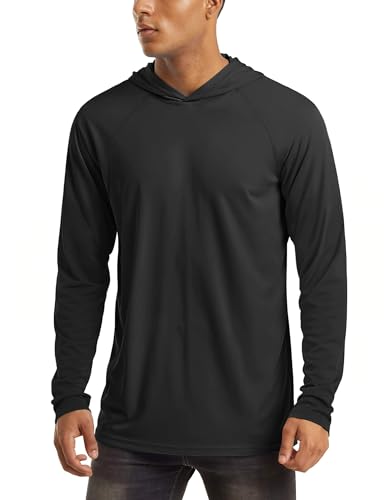
Lightweight And Comfortable Polyester, Upf 50+ Sun Protection

UV Protection: Our long sleeve sun shirts features cutting-edge UPF 50+ technology, effectively blocking UVA and UVB rays to ensure robust sun protection during your outdoor adventures
Do You Need a Wetsuit or Drysuit for Summer Kayak Fishing?
No, you don’t need a wetsuit or drysuit for summer kayak fishing when both air and water temperatures are above 70°F. These insulating garments will cause dangerous overheating in warm conditions and are designed for cold-water safety, not summer comfort.
Wetsuits and drysuits serve one purpose: preventing hypothermia in cold water. In summer conditions, they create more problems than they solve:
- Overheating risk: Neoprene traps body heat, raising core temperature to dangerous levels
- Dehydration: Excessive sweating inside a wetsuit depletes fluids faster than you can replace them
- Restricted movement: Thick neoprene limits paddling efficiency and casting motion
- Unnecessary expense: Quality drysuits cost $400-1,200, money better spent on other fishing kayak gear
Exception: If you’re fishing early-season (April-May) or late-season (September-October) when water temperatures remain below 60°F but air temperatures reach 75-80°F, consider a lightweight paddling jacket and quick-dry layers. This scenario is common in northern lakes and river kayak fishing where snowmelt keeps water cold into summer.
The “120-degree rule” helps determine if you need thermal protection: add air temperature and water temperature together. If the total is less than 120°F, wear a wetsuit or drysuit. If it’s above 120°F, standard summer fishing clothes are safer and more comfortable.
Best Sun Protection Clothing for Kayak Fishing
UPF-rated long-sleeve fishing shirts, wide-brimmed hats with neck flaps, and face buffs provide the most reliable sun protection for kayak fishing. These garments block 95-98% of UV radiation without the need for constant sunscreen reapplication, which washes off quickly in water environments.

UPF 50+ Sun Protection: Crafted with advanced UPF 50+ polyester fabric, Roadbox UPF 50+ fishing hoodies provide reliable protection from UVA and UVB rays. Designed to shield your skin and neck during outdoor activities

Safe & Protected: The UPF 50+ fabric construction with UV absorbent yarns and tight weave technique, ensures block full spectrum of ultraviolet UV rays.

Unique Fish Graphic: An elegant stylish fish artwork that features fish design adds style and character to this fishing shirts. The unique print and graphics on this cool shirts to make you stand out on the water or on the shore with our sleek and trendy designs.
Essential Sun Protection Garments
Long-sleeve UPF shirts form the foundation of sun protection:
- Look for UPF 30 minimum, UPF 50+ ideal (blocks 98% of UV rays)
- Choose vented designs with mesh panels under arms and across back
- Select light colors that reflect rather than absorb heat
- Ensure thumb loops keep sleeves from riding up while casting
Wide-brimmed hats protect face, ears, and neck:
- 3-4 inch brim all around (not just a front bill like baseball caps)
- Chin strap or drawcord to prevent loss in wind
- Breathable mesh crown for ventilation
- Dark underside of brim reduces glare reflection off water
Neck protection options:
- Integrated neck flaps on fishing hats (covers ears and neck)
- Lightweight buffs that pull up over nose and ears
- Hooded fishing shirts for maximum coverage
Choose this approach if: You burn easily, have fair skin, take medications that increase sun sensitivity, or plan to fish during peak UV hours (10 AM – 4 PM). For ocean kayak fishing where there’s no shade and sun reflects off water from all angles, comprehensive coverage is essential.
Common mistake: Relying solely on sunscreen while wearing short sleeves and a baseball cap. Sunscreen washes off when you paddle, sweat, or splash water. It also requires reapplication every 90-120 minutes, which most anglers forget to do when focused on fishing.
What Kind of Shoes Should I Wear Kayak Fishing in Summer?
Water shoes with closed toes, drainage holes, and non-slip soles are the best footwear for summer kayak fishing. They protect your feet from sharp objects, provide traction on wet surfaces, drain quickly, and won’t fall off if you capsize.

SEEKWAY: Not just for protection, but also for company.
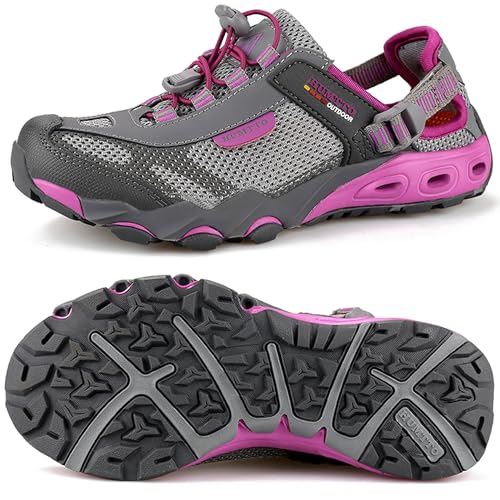
Amphibious Water Shoes Features - HUMTTO Womens Hiking Water Sandals two major features river tracing and summer hiking travel ultra lightweight mesh upper breathable and sole 12 drainage holes which is for fast draining and cross ventilation provides better shoes environment keep your feet drier cool

BAREFOOT FEEL: Wide toe design makes for a barefoot feel but still easy to experience. Zero heel lift and low-profile ultra-grip outsole provides maximum traction for walking or hiking anywhere from the river to the beach.
Top Footwear Options Ranked
Closed-toe water shoes (best all-around choice)
- Synthetic mesh upper with drainage
- Rubber sole with good tread pattern
- Secure lace or strap system
- Protects toes from hooks, rocks, and boat ramps
Sport sandals with heel straps (good for warm, calm water)
- Must have back strap (not flip-flops)
- Thick, grippy sole
- Quick-drying webbing
- Less toe protection than closed shoes
Neoprene booties (for rocky launches or cool mornings)
- 3mm thickness for summer
- Zippered or pull-on style
- Excellent grip on slippery surfaces
- Warmer than other options
Never wear:
- ❌ Flip-flops (fall off easily, no traction, no protection)
- ❌ Regular sneakers (stay wet for hours, cause blisters)
- ❌ Going barefoot (risk of cuts, hooks, hot surfaces)
- ❌ Heavy boots (uncomfortable, slow to dry, drowning risk if capsized)
Decision rule: Choose closed-toe water shoes if you’re launching from rocky shores, fishing around structure, or new to kayak fishing. Opt for sport sandals only if you’re experienced, fishing in sandy areas, and confident in your kayak stability.
Your feet will get wet while kayak fishing—it’s unavoidable. The goal is footwear that performs well when soaked, not footwear that tries (and fails) to stay dry.
Quick-Dry Shirts vs Cotton for Kayak Fishing
Quick-dry synthetic shirts made from polyester or nylon outperform cotton in every kayak fishing scenario. Synthetic fabrics dry 3-5 times faster, wick moisture away from skin, maintain insulation when wet, and resist odor buildup better than cotton.
Performance Comparison
| Feature | Quick-Dry Synthetic | Cotton |
|---|---|---|
| Drying time | 30-60 minutes | 3-6 hours |
| Weight when wet | Minimal increase | 2-3x heavier |
| Chafing risk | Low (stays dry) | High (stays wet) |
| Odor resistance | Good (antimicrobial treatments) | Poor (bacteria growth) |
| UV protection | UPF 30-50+ available | UPF 5-7 (minimal) |
| Durability | Excellent | Degrades faster |
Why cotton fails on the water:
Cotton absorbs water like a sponge and holds it against your skin. This creates three problems:
- Evaporative cooling makes you cold when wind picks up or clouds roll in
- Chafing develops where wet fabric rubs against skin (underarms, collar, waistband)
- Added weight from water-logged fabric makes paddling more tiring
The old saying “cotton kills” comes from hiking and paddling communities where wet cotton clothing has contributed to hypothermia deaths. While less dangerous in summer, wet cotton remains uncomfortable and impractical.
Best synthetic fabric options:
- Polyester blends (most common, affordable, durable)
- Nylon (lightweight, quick-drying, slightly more expensive)
- Merino wool blends (natural fiber that performs like synthetic, odor-resistant, pricey)
Choose cotton only if: You’re fishing a small pond within sight of your vehicle, the air temperature is above 85°F with no wind, and you’ll be out for less than two hours. For serious kayak fishing sessions, synthetic fabrics are worth the investment.
Do I Need Waders for Kayak Fishing in Summer?
No, you should not wear waders for kayak fishing in summer. Waders trap heat, restrict movement, and create a serious drowning hazard if you capsize in warm weather. They’re designed for standing in cold water, not sitting in a kayak during hot conditions.
Why Waders Are Dangerous in Summer Kayaking
Drowning risk: The myth that waders fill with water and drag you down is exaggerated, but they do create problems:
- Trapped air makes it difficult to right yourself after capsizing
- Heavy, waterlogged fabric restricts swimming motion
- Neoprene or rubber material doesn’t breathe, causing exhaustion
Overheating: Waders act like a full-body wetsuit in summer:
- Core body temperature rises dangerously high
- Sweat accumulates inside with no evaporation
- Heat exhaustion symptoms appear within 1-2 hours
Restricted mobility: Chest waders limit your ability to:
- Paddle efficiently (fabric bunches at hips)
- Shift weight for balance
- Perform a wet exit if you capsize
When waders make sense: Only if you’re launching from deep, muddy water and plan to remove them once you’re in the kayak. Some anglers wear waders to the launch site, take them off, and store them in the kayak for the return trip. This works for fishing kayaks with ample storage space.
Better alternatives for summer:
- Quick-dry shorts or pants (get wet, dry fast, no risk)
- Water shoes (protect feet during launch)
- Sit-on-top kayak (you’ll get wet anyway, embrace it)
The discomfort and danger of waders in summer far outweigh any benefit. Modern kayak fishing embraces getting wet as part of the experience.
What to Wear Kayak Fishing If You Get Wet Easily
If you get wet easily while kayak fishing, wear quick-dry shorts, a synthetic long-sleeve shirt, and embrace getting wet rather than fighting it. Sit-on-top kayaks naturally splash more than sit-inside models, so your clothing strategy should assume you’ll be damp most of the trip.
Clothing Strategy for Wet Conditions
Layer for wetness, not dryness:
- Base layer: Synthetic or merino wool underwear (never cotton)
- Mid layer: Quick-dry fishing shirt with UPF protection
- Bottom: Quick-dry shorts or convertible pants
- Feet: Water shoes that perform well when soaked
Accessories that help:
- Dry bag for phone, wallet, keys (assume everything else gets wet)
- Waterproof hat or synthetic cap (not cotton)
- Synthetic buff for neck protection (dries quickly)
- Spare shirt in dry bag for after fishing (comfort for drive home)
Kayak choice matters: Sit-on-top kayaks have self-draining scupper holes but allow more water in the cockpit. Sit-inside kayaks keep you drier but trap water if you take a wave over the bow. For summer fishing, sit-on-top models are more comfortable because you can cool off in the water intentionally.
Technique adjustments:
- Paddle with shorter, smoother strokes to minimize splash
- Keep gear low in the kayak to reduce water entry
- Use a spray skirt on sit-inside kayaks (though rare for fishing models)
- Accept that getting wet is part of the experience
Choose this approach if: You’re fishing in choppy conditions, paddling a sit-on-top kayak, or fishing in areas with boat traffic that creates wake. Fighting wetness in summer is futile—dress for it instead.
Common Mistakes People Make Dressing for Summer Kayak Fishing
The most common mistakes are wearing cotton clothing, choosing dark colors, skipping sun protection, and overdressing for the conditions. These errors lead to discomfort, sunburn, chafing, and in extreme cases, heat exhaustion.
Top 7 Dressing Mistakes
Wearing cotton t-shirts and shorts
- Stays wet for hours after splashing
- Causes chafing at pressure points
- Provides almost no UV protection
- Fix: Switch to synthetic quick-dry fabrics
Choosing dark colors (black, navy, dark green)
- Absorbs heat instead of reflecting it
- Makes you 10-15°F hotter in direct sun
- Shows salt stains on ocean trips
- Fix: Wear tan, light gray, or pale blue
Skipping a hat or wearing only a baseball cap
- Leaves ears and neck exposed to UV
- Baseball caps don’t protect from reflected sun off water
- Fix: Wide-brimmed hat with 3-4 inch brim all around
Wearing flip-flops or going barefoot
- No protection from hooks, rocks, or hot surfaces
- Flip-flops fall off easily
- Poor traction on wet kayak deck
- Fix: Closed-toe water shoes with straps
Overdressing with too many layers
- Causes overheating and excessive sweating
- Restricts paddling and casting motion
- Fix: One quick-dry layer is usually enough in summer
Forgetting polarized sunglasses
- Leads to eye strain and headaches
- Misses fish in shallow water (can’t see through glare)
- Fix: Quality polarized glasses with retention strap
Not bringing a spare dry shirt
- Uncomfortable drive home in wet, fishy clothes
- Fix: Pack one cotton t-shirt in dry bag for after fishing
Beginner-specific mistake: Dressing for kayak fishing like you’re going to the beach. Beach attire (swimsuit, tank top, flip-flops) lacks the sun protection, functionality, and safety features needed for 4-6 hours on the water. Check out our beginner kayak fishing guide for more first-timer tips.
Is It Better to Wear Light Colors or Dark Colors Kayak Fishing in Sun?
Light colors (tan, light gray, pale blue, white) are better for kayak fishing in sun because they reflect heat and UV radiation rather than absorbing it. You’ll stay 10-15°F cooler in light-colored clothing compared to dark colors during a full day on the water.
Color Choice Impact
Light colors (recommended):
- ✅ Reflect 60-80% of solar radiation
- ✅ Keep body temperature lower
- ✅ Show less fading over time
- ✅ Better for hot, sunny conditions
- ❌ Show fish slime, blood, and dirt more easily
- ❌ May show sweat stains (though less relevant in quick-dry fabrics)
Dark colors (not recommended for summer):
- ✅ Hide stains and fish mess better
- ✅ Look more “tactical” or professional
- ❌ Absorb 80-90% of solar radiation
- ❌ Increase body temperature significantly
- ❌ Fade faster from sun exposure
- ❌ Uncomfortable in temperatures above 80°F
Best color choices for summer kayak fishing:
- Tan/khaki (best all-around, hides some stains, reflects heat)
- Light gray (modern look, good heat reflection)
- Pale blue (popular for fishing shirts, cooling psychological effect)
- White (maximum heat reflection, shows stains most)
- Seafoam/mint (trendy, good performance)
Pattern considerations: Light-colored shirts with subtle patterns (small checks, thin stripes) hide stains better than solid light colors while maintaining heat-reflecting properties. Many fishing shirt manufacturers use this approach.
Exception: If you’re fishing early morning or late evening when sun intensity is low and temperatures are mild, color matters less. Dark colors become problematic mainly during peak sun hours (10 AM – 4 PM) in temperatures above 75°F.
What Should Beginners Wear for Their First Kayak Fishing Trip in Summer?
Beginners should wear a long-sleeve UPF shirt, quick-dry shorts, water shoes, a wide-brimmed hat, and polarized sunglasses for their first summer kayak fishing trip. This basic outfit provides sun protection, comfort, and safety without requiring expensive specialized gear.
First-Timer’s Packing List
Essential clothing (don’t skip these):
- Long-sleeve UPF 30+ fishing shirt ($25-60)
- Quick-dry shorts with pockets ($20-40)
- Water shoes or sport sandals with straps ($30-50)
- Wide-brimmed hat with chin strap ($15-35)
- Polarized sunglasses ($20-150)
- Synthetic underwear ($10-25)
Recommended additions:
- Lightweight buff or neck gaiter ($10-20)
- Thin synthetic socks if wearing closed-toe shoes ($8-15)
- Lightweight rain jacket (for wind/rain) ($30-80)
Total investment: $150-300 for a complete summer kayak fishing wardrobe that will last 3-5 seasons with proper care.
Budget-friendly approach: Start with what you have, then upgrade:
- Any synthetic athletic shirt works initially (though lacks UPF rating)
- Board shorts or athletic shorts substitute for fishing-specific shorts
- Old running shoes you don’t mind getting wet (until you buy water shoes)
- Any hat is better than no hat (upgrade to wide-brimmed later)
What NOT to buy as a beginner:
- ❌ Expensive waders (unnecessary in summer)
- ❌ Neoprene gear (too hot)
- ❌ Specialized fishing bibs or overalls (overkill for summer)
- ❌ Multiple outfits (start with one good setup)
First-trip tips: Bring a complete change of clothes in a dry bag and leave it in your vehicle. If your outfit choice doesn’t work out, you’ll have dry, comfortable clothes for the drive home. This safety net reduces anxiety about getting the outfit perfect on your first attempt.
Many beginner kayak fishing enthusiasts overthink clothing and underthink safety gear like PFDs and communication devices. Get the basics right, then refine your wardrobe as you gain experience.
Do You Need Gloves for Kayak Fishing in Warm Weather?
Most kayak anglers don’t need gloves in warm weather, but fingerless paddling gloves or sun gloves can prevent blisters during long sessions and protect hands from UV damage. Whether you need them depends on your paddling distance, hand sensitivity, and sun exposure concerns.
When Gloves Make Sense
Wear gloves if:
- You’re paddling more than 3-4 miles round trip
- You have sensitive hands prone to blisters
- You’re fair-skinned and concerned about hand sun damage
- You’re using a paddle kayak (not pedal-drive) for extended periods
- You’re new to kayaking and haven’t developed calluses yet
Skip gloves if:
- You’re fishing from an anchored position (minimal paddling)
- You’re using a pedal-drive kayak (hands free most of the time)
- You have established calluses from regular paddling
- You prefer maximum dexterity for handling fishing line and lures
Glove Options for Summer
Fingerless paddling gloves (most popular):
- Padded palms reduce pressure points
- Open fingers maintain dexterity for tying knots
- Quick-drying synthetic materials
- Cost: $15-35
Sun gloves (UPF protection):
- Full-finger coverage blocks UV rays
- Thin, stretchy fabric doesn’t restrict movement
- Some models have fold-back finger tips
- Cost: $20-40
Fishing gloves (grip-focused):
- Textured palms for handling fish
- Cut-resistant materials
- Less padding than paddling gloves
- Cost: $10-30
Common mistake: Wearing thick neoprene gloves designed for cold-water paddling. These cause hands to overheat and sweat excessively in summer, reducing grip and comfort. Choose thin, breathable gloves specifically designed for warm weather.
Alternative to gloves: Apply sunscreen to backs of hands every 90 minutes and accept that some callus development is normal for regular paddlers. Many experienced kayak anglers prefer the direct connection to the paddle that bare hands provide.
What to Wear Kayak Fishing in Summer If Water Is Cold but Air Is Hot
When water is cold but air is hot, wear quick-dry layers you can shed easily, bring a lightweight paddling jacket, and always wear your PFD in case of capsize into cold water. This scenario is common in spring-fed lakes, mountain reservoirs, and early-season fishing where air temperatures reach 75-85°F but water remains 50-60°F.
Layering Strategy for Mixed Conditions
Core outfit:
- Base layer: Long-sleeve synthetic shirt (provides some insulation if wet)
- Mid layer: Lightweight fleece or synthetic pullover (removable when hot)
- Outer layer: Windproof/water-resistant paddling jacket (in dry bag until needed)
- Bottom: Quick-dry pants or convertible pants (not shorts—legs need protection if you capsize)
- Feet: Neoprene booties (3mm) or water shoes with neoprene socks
The 120-degree rule applies: Add air temperature and water temperature. If the total is less than 120°F, you’re in the danger zone for hypothermia if you capsize. For example:
- Air: 80°F + Water: 55°F = 135°F (relatively safe with proper clothing)
- Air: 75°F + Water: 40°F = 115°F (dangerous—consider wetsuit or drysuit)
Safety priorities:
- Always wear your PFD (provides flotation and some insulation)
- Stay close to shore (reduces swim distance if you capsize)
- Paddle with a buddy (critical for cold-water rescue)
- Bring dry clothes in waterproof bag (for after capsizing or when done fishing)
- Know self-rescue techniques (practice before you need them)
When to upgrade to thermal protection: If water temperature is below 60°F and you’re fishing in rough conditions, ocean kayak fishing, or areas far from shore, consider a wetsuit or drysuit despite warm air. Cold water kills faster than most people realize—you have 10-15 minutes of useful movement in 50°F water before hypothermia impairs your ability to self-rescue.
Compromise solution: Wetsuit pants or farmer john style wetsuit (covers legs and torso, leaves arms free) paired with a quick-dry shirt. This provides core insulation if you capsize while preventing overheating during normal fishing.
Best Hat for Sun Protection While Kayak Fishing
The best hat for sun protection while kayak fishing is a wide-brimmed fishing hat with a 3-4 inch brim all around, UPF 50+ fabric, a chin strap, and breathable mesh panels. This design protects face, ears, and neck while staying secure in wind.
Top Hat Features for Kayak Fishing
Essential features:
- Wide brim (3-4 inches) all around, not just in front
- Chin strap or drawcord to prevent loss in wind
- UPF 50+ fabric for maximum UV protection
- Breathable crown (mesh panels or vented design)
- Water-resistant material that dries quickly
- Dark underside of brim to reduce glare reflection
Hat styles ranked:
Boonie hat / fishing hat (best all-around)
- Wide brim protects face, ears, neck
- Usually includes chin strap
- Crushable for storage
- Cost: $15-40
Wide-brimmed straw hat (good for extreme heat)
- Maximum breathability
- Natural material
- Less durable when wet
- Cost: $20-50
Legionnaire hat (best neck protection)
- Built-in neck flap
- Full coverage
- Can feel hot in extreme temperatures
- Cost: $20-45
Baseball cap with neck flap (compromise option)
- Familiar style
- Removable neck flap
- Less face protection than wide-brimmed
- Cost: $15-35
Avoid these hat styles:
- ❌ Standard baseball caps (no ear or neck protection)
- ❌ Trucker hats with mesh back (sun burns through mesh)
- ❌ Bucket hats without chin straps (blow off easily)
- ❌ Visors (no top-of-head protection)
Color choice: Light colors (tan, khaki, light gray) reflect heat better than dark colors. Some anglers prefer darker colors on the top of the hat to reduce glare, paired with light-colored brims.
Fit matters: Your hat should fit snugly enough to stay on in wind but not so tight it causes headaches during long sessions. Adjustable hats with drawcords or Velcro straps work better than fixed-size hats for kayak fishing.
Backup option: Keep a spare hat or buff in your dry bag. If your primary hat blows off (it happens), you’ll still have sun protection for the rest of your trip.
Conclusion
Dressing properly for summer kayak fishing comes down to three priorities: sun protection, quick-drying fabrics, and comfort when wet. The right outfit—a long-sleeve UPF shirt, quick-dry shorts, water shoes, and a wide-brimmed hat—keeps you safe from UV damage, prevents chafing, and maintains comfort whether you’re dry or soaked. Skip the cotton, avoid dark colors, and embrace getting wet rather than fighting it.
Your next steps:
- Audit your current wardrobe for synthetic, quick-dry items you already own
- Invest in the essentials first: UPF shirt, water shoes, and a proper hat
- Test your outfit on a short trip before committing to a full day on the water
- Adjust based on conditions: hotter days need lighter colors and more ventilation, mixed conditions need layers
- Build your wardrobe gradually as you discover your personal preferences and fishing style
The difference between a miserable day fighting sunburn and wet cotton versus a comfortable, productive fishing session often comes down to clothing choices made before you launch. Take time to get your summer kayak fishing wardrobe right, and you’ll spend more time focused on fishing and less time dealing with discomfort.
For more guidance on getting started, check out our comprehensive beginner kayak fishing resources and kayak gear recommendations.
Frequently Asked Questions
Can I wear a swimsuit for kayak fishing in summer?
You can wear a swimsuit as a base layer, but add a long-sleeve UPF shirt over it for sun protection. Swimsuits alone leave too much skin exposed to UV radiation during 4-6 hour fishing sessions, leading to severe sunburn.
Should I wear a life jacket over or under my fishing shirt?
Always wear your PFD (personal flotation device) over your fishing shirt so it’s immediately accessible and visible. Modern fishing PFDs are designed to fit comfortably over clothing without restricting casting motion.
What should I do if I forgot proper kayak fishing clothes?
Wear the lightest-colored, most synthetic clothing you have available. Apply sunscreen generously every 90 minutes. Cut your trip shorter than planned, and use it as a learning experience to build your proper wardrobe before the next outing.
Do I need different clothes for ocean kayak fishing versus lake fishing?
Ocean kayak fishing requires the same basic outfit but with added emphasis on sun protection (no shade, more reflection off water) and salt-resistant materials. Rinse all clothing in fresh water after ocean trips to prevent salt damage.
How many outfits do I need for regular summer kayak fishing?
Two complete outfits let you rotate while one is in the wash. Most serious kayak anglers own 2-3 fishing shirts, 2-3 pairs of quick-dry shorts, and 1-2 pairs of water shoes for regular summer fishing.
Can I wear jeans kayak fishing if they’re my only option?
Avoid jeans if possible—they’re cotton, heavy when wet, take hours to dry, and cause severe chafing. If jeans are your only option, keep your trip short (under 2 hours) and stay close to your vehicle in case you need to change.
What’s the best fabric for kayak fishing shirts?
Polyester blends (often mixed with spandex for stretch) offer the best combination of quick-drying performance, durability, and affordability. Nylon is slightly lighter and faster-drying but more expensive. Both outperform cotton significantly.
Should I tuck my shirt in or leave it out while kayak fishing?
Leave your shirt untucked for better ventilation and comfort while sitting. Tucked shirts bunch up, restrict movement, and trap heat. The exception is if you’re wearing a shirt with built-in rod holder loops that work better when tucked.
Do I need special underwear for kayak fishing?
Yes—synthetic or merino wool underwear prevents chafing when wet. Cotton underwear stays wet for hours and causes painful chafing at pressure points. This is one of the most important (and often overlooked) clothing choices for kayak fishing.
What should I wear kayak fishing in summer rain?
Wear your normal quick-dry outfit plus a lightweight, breathable rain jacket. Summer rain is usually warm, so staying dry is less critical than in cold weather. Many anglers skip the rain jacket entirely in warm summer rain and just get wet.
Can I wear board shorts instead of fishing shorts?
Board shorts work adequately for kayak fishing—they’re synthetic and quick-drying. However, fishing shorts typically offer more pockets, better sun protection (longer inseam), and more durable construction for the same price.
How do I prevent my hat from blowing off while kayak fishing?
Choose a hat with a chin strap or drawcord and actually use it. Adjust the strap snugly under your chin before you launch. If your hat doesn’t have a strap, add an aftermarket hat retainer cord for $5-10.