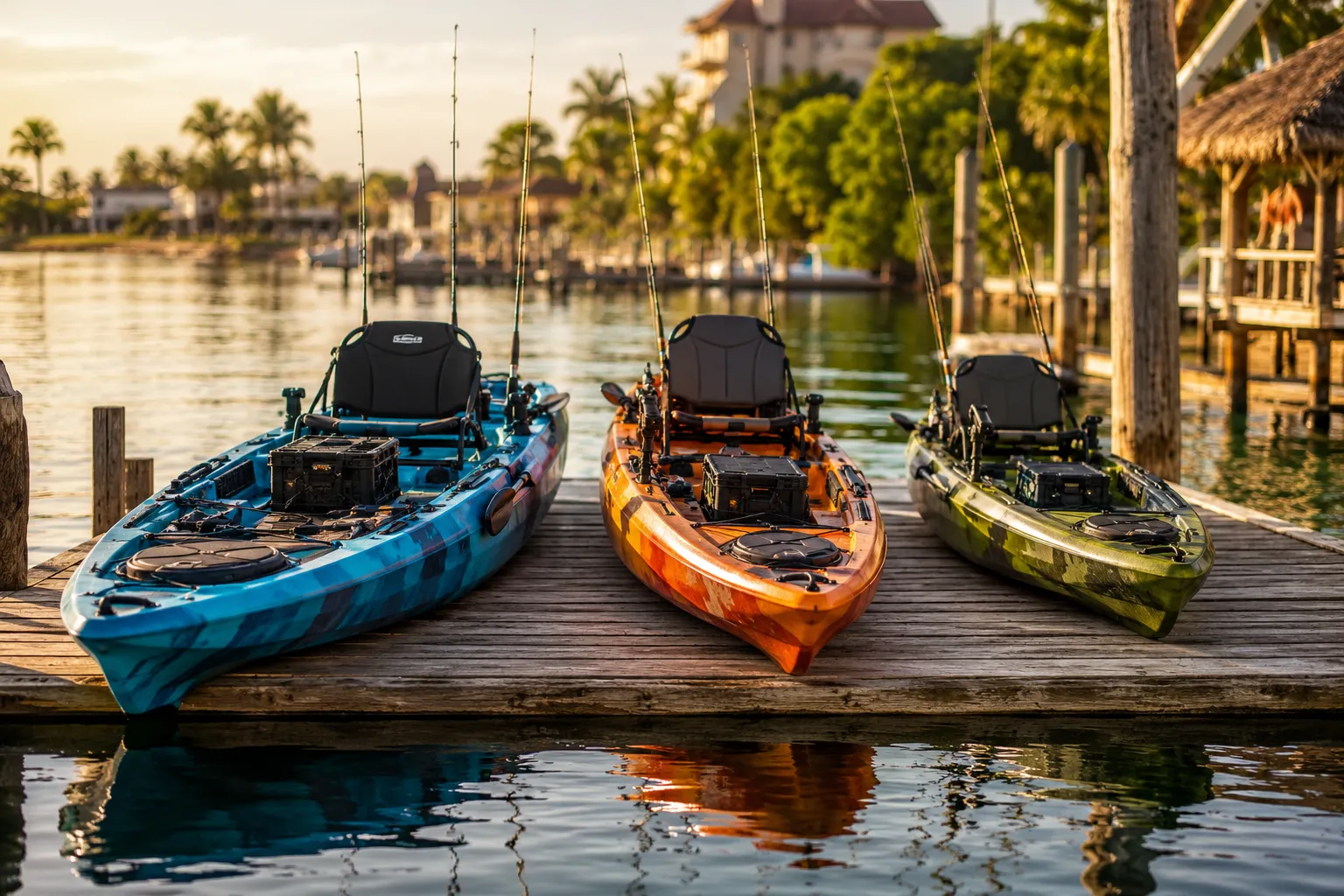
Quick Answer: Most anglers need a fishing kayak between 10 and 12 feet long. A 10-foot kayak offers better maneuverability for rivers, ponds, and tight spaces, while a 12-foot model provides more speed and tracking for larger lakes, bays, and coastal waters. Your ideal length depends on where you’ll fish most often, how you’ll transport it, and your experience level.
Key Takeaways
- 10-foot kayaks excel in tight spaces, rivers, and ponds but sacrifice speed and storage
- 12-foot kayaks balance speed, stability, and storage for most fishing situations
- 14-foot+ kayaks track straight and cover distance quickly but are harder to transport and maneuver
- Longer kayaks generally paddle faster but turn slower than shorter models
- Your vehicle’s cargo capacity often determines maximum practical kayak length
- Beginners typically find 10-12 foot kayaks easier to handle and transport
- Ocean fishing usually requires 12-14 foot kayaks for wave handling and distance
- Kayak width matters more than length for stability when standing or fighting fish
- Taller or heavier anglers don’t necessarily need longer kayaks (width and weight capacity matter more)
- Price increases with length, but the jump from 10 to 12 feet is usually modest ($100-300)
How Does Kayak Length Affect Stability and Speed?
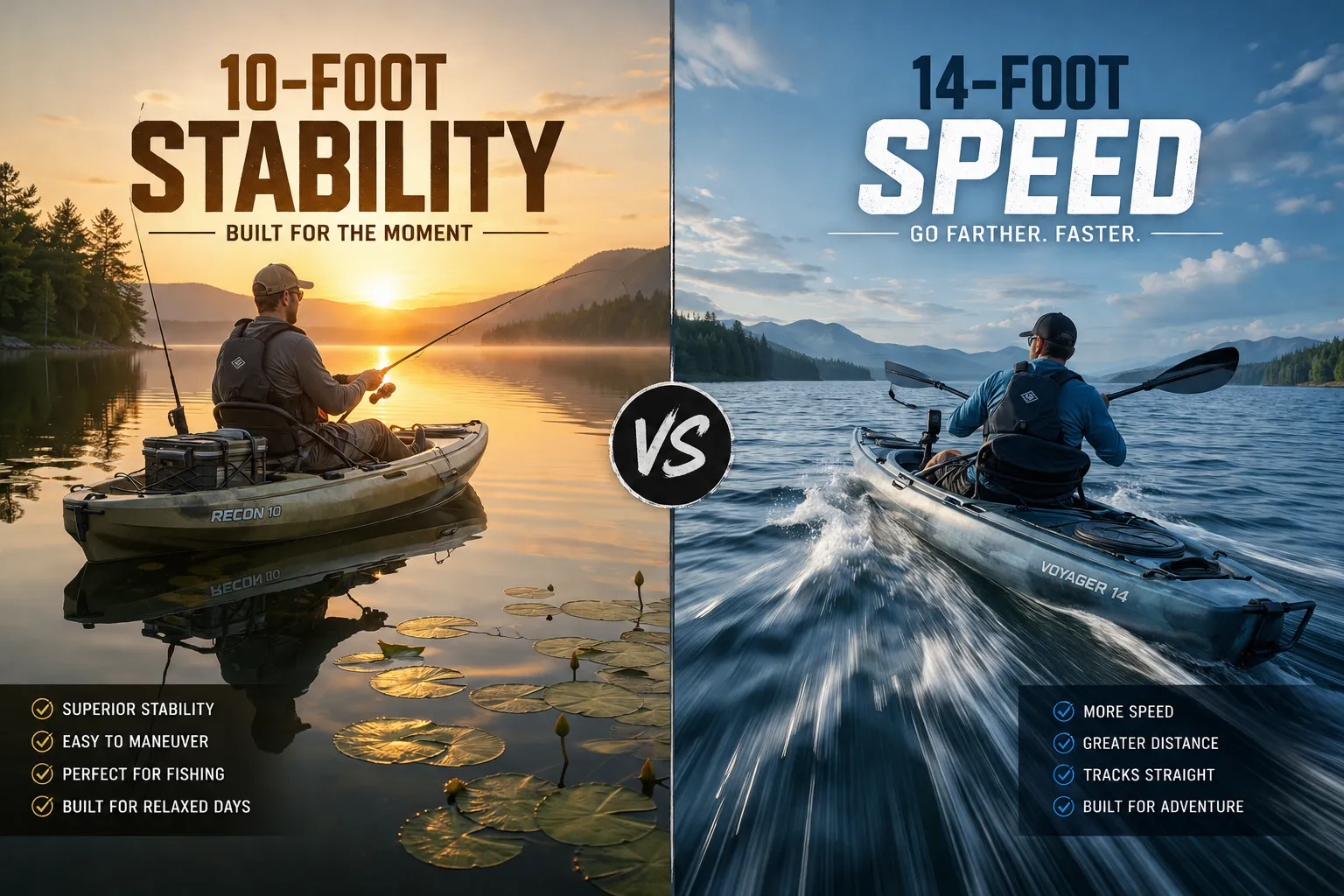
Kayak length directly impacts speed and tracking (how straight it goes), while width primarily determines stability. A longer kayak cuts through water more efficiently and maintains momentum better, making it faster and easier to paddle long distances. Shorter kayaks turn more easily but require more effort to maintain speed.
Speed and efficiency: A 14-foot kayak will glide farther per paddle stroke than a 10-foot model because its longer waterline reduces drag. If you regularly paddle more than a mile to reach fishing spots, those extra feet make a noticeable difference in fatigue levels.
Turning and maneuverability: Shorter kayaks pivot more quickly, which matters when navigating narrow creeks, fishing around docks and structure, or repositioning frequently while casting. A 10-foot kayak can spin nearly in place, while a 14-footer needs a wider turning radius.
Tracking (going straight): Longer kayaks naturally track straighter with less correction, especially in wind or current. This reduces paddle effort on open water but can feel “locked in” when you want to change direction quickly.
Common mistake: Many anglers assume longer kayaks are more stable because they feel steadier when paddling. In reality, width and hull shape determine stability far more than length. A 10-foot kayak that’s 34 inches wide will feel more stable than a 14-foot kayak that’s only 28 inches wide.
What Length Kayak Do I Need for My Height and Weight?
Your height and weight affect weight capacity and comfort more than ideal kayak length. A 6’4″ angler and a 5’6″ angler can both fish comfortably from the same 12-foot kayak if it has adequate weight capacity and adjustable footrests. Focus on the kayak’s weight rating (which should exceed your body weight plus gear by at least 100 pounds) rather than matching your height to kayak length.
Weight capacity considerations: Most 10-foot fishing kayaks have 300-350 pound capacities, 12-foot models range from 350-450 pounds, and 14-foot kayaks often support 400-550 pounds. Longer kayaks typically have higher capacities simply because they have more volume, but width and hull depth matter just as much.
Legroom and cockpit size: Taller anglers should check cockpit length and adjustable footrest range rather than overall kayak length. Many 10-foot kayaks accommodate paddlers up to 6’3″ comfortably because the cockpit takes up most of the kayak’s length.
Choose a longer kayak if:
- You weigh over 250 pounds and need the extra capacity
- You carry heavy gear (coolers, multiple rods, camping equipment)
- You want more storage space for multi-day trips
A shorter kayak works fine if:
- You’re within the weight capacity by at least 100 pounds
- The cockpit dimensions fit your leg length
- You prioritize easy transport over maximum storage
What Is the Best Kayak Length for Fishing in Lakes?
For lake fishing, a 12-foot kayak offers the best balance of speed, stability, and storage for most anglers. Lakes often require paddling moderate distances (half-mile to two miles) to reach productive fishing spots, and the extra length helps you cover water efficiently without excessive fatigue. A 12-footer also provides enough storage for a full day’s gear, including tackle boxes, coolers, and extra rods.
Small lakes and ponds (under 100 acres): A 10-foot kayak works perfectly. You won’t paddle far, and the shorter length makes it easier to navigate around docks, fallen trees, and weed beds where fish hold.
Medium lakes (100-500 acres): A 12-foot kayak is ideal. You’ll appreciate the extra speed when crossing open water, and the improved tracking helps when wind picks up in the afternoon.
Large lakes and reservoirs (500+ acres): Consider a 12-14 foot kayak. The longer waterline reduces fatigue on long paddles, and the extra storage accommodates safety gear required for big water (VHF radio, extra paddle, more substantial anchor system).
Wind considerations: Lakes generate wind chop that shorter kayaks struggle with. A 12-foot kayak punches through small waves more efficiently than a 10-footer, which tends to bob and slow down in choppy conditions.

Gear rails: Equipped with 4-inch rigging tracks to set up your favorite accessories.

Ergoboost seating system: The Ergoboost seating system is one of our most comfortable fishing chairs. It's adjustable to allow a higher seating position and better angle of vision while also outfitted with a comfortable EVA seat pad and convenient under seat storage.
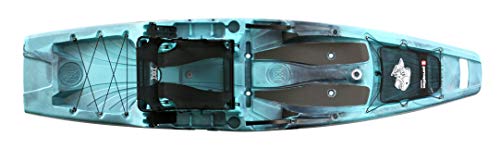
Ultimate Fishing & Storage Space: Perception Outlaw 11.5 is a fishing-optimized sit on top kayak with superior stability and an impressive weight capacity of 425 lbs. It boasts a large rear tankwell and front storage area for all your fishing and personal gear.
Is a 10 Foot or 12 Foot Kayak Better for Fishing?
A 12-foot kayak is better for most fishing situations because it balances speed, storage, and maneuverability while still fitting on most vehicles and in standard garages. However, a 10-foot kayak makes more sense if you fish primarily small waters, have limited storage space, or need to load the kayak solo onto a vehicle frequently.
Choose a 10-foot kayak if:
- You fish ponds, creeks, and rivers under 50 yards wide
- You load and unload solo and want lighter weight (typically 10-15 pounds less)
- You have a small vehicle or limited garage space
- You prioritize easy maneuverability over speed
- You rarely paddle more than a mile round-trip
Choose a 12-foot kayak if:
- You fish lakes, bays, or coastal waters regularly
- You want more storage for gear and fish
- You paddle distances over a mile frequently
- You fish in wind or current often
- You want better resale value (12-footers are more versatile)
The 2-foot difference matters: That extra 24 inches adds roughly 15-20 pounds of weight, increases storage capacity by 20-30%, and improves paddling efficiency by approximately 15-20% on open water. It also adds about 10-15 minutes to your loading and transport routine.

HANDS-FREE PEDAL POWER WITH PROPELLER DRIVE: High-efficiency propeller pedal system with bicycle-style pedals lets you cruise farther with less effort—ideal for fishing, exploring, and long-distance paddling. Removable for traditional paddling or motor upgrades.

Powerful & Responsive Propeller Drive System: Take control with our smooth kayak propeller drive system, offering hands-free power, quiet acceleration, and easy reverse maneuvering. Perfect for tight spaces, docks, or mangrove fishing

Quality Construction: Constructed of uv-protected high-density polyethylene. Multiple footrest positions for different size riders. Stable flat bottom
What Length Kayak Is Best for Beginners?
Beginners should start with a 10 or 12-foot kayak because these lengths are easier to control, transport, and store while still being versatile enough for various fishing situations. A 10-foot kayak builds confidence faster due to its forgiving handling, while a 12-foot model offers more room to grow into different fishing styles without feeling too unwieldy.
Why beginners struggle with longer kayaks:
- 14-foot kayaks require more precise paddle technique to turn efficiently
- Longer boats are harder to load on vehicles solo (a critical skill for new kayakers)
- They’re more affected by wind when you’re still learning paddle strokes
- The extra weight makes beach launches more physically demanding
Start with 10 feet if:
- You’re unsure whether kayak fishing is a long-term hobby
- You have physical limitations or are over 60 years old
- You’ll fish mostly calm, protected waters while learning
- You want to minimize the intimidation factor
Start with 12 feet if:
- You’re committed to kayak fishing and want a versatile platform
- You have a friend or partner to help with transport initially
- You plan to fish larger waters once you gain experience
- You want to avoid upgrading within the first year
Learning curve: Most beginners become comfortable controlling a 12-foot kayak within 3-5 outings. The handling difference between 10 and 12 feet is noticeable but not dramatic for new paddlers.
Best Kayak Length for Ocean Fishing
Ocean fishing requires a kayak between 12 and 14 feet long to handle waves, wind, and the distances often needed to reach productive fishing grounds. A 12-foot kayak works for protected bays and inshore fishing within a mile of shore, while 14-foot models are better for open ocean conditions, larger swells, and trips beyond two miles offshore.
Why length matters in saltwater:
- Longer kayaks punch through waves rather than riding over them, reducing the jarring motion
- Extended waterline improves tracking when paddling against wind or current
- More storage space for required safety gear (VHF radio, flares, extra water)
- Better speed for covering the 2-5 mile distances common in ocean fishing
Inshore and bay fishing (0-1 mile offshore): A 12-foot kayak with at least 32 inches of width handles protected saltwater well. You’ll encounter boat wakes, wind chop, and tidal current but not open ocean swells.
Nearshore fishing (1-3 miles offshore): A 13-14 foot kayak provides the speed and wave handling needed for longer runs and bigger water. The extra length significantly reduces fatigue on the paddle out and back.
Offshore fishing (3+ miles): Only experienced kayakers should venture this far, and a 14-foot kayak is the minimum. Many serious offshore anglers use 14-16 foot models or even specialized 18-foot kayaks designed for open ocean.
Safety consideration: Shorter kayaks aren’t inherently less safe in the ocean, but they require more skill and effort to handle the same conditions. A 10-foot kayak can handle ocean fishing, but you’ll work much harder and tire faster than in a 14-footer.
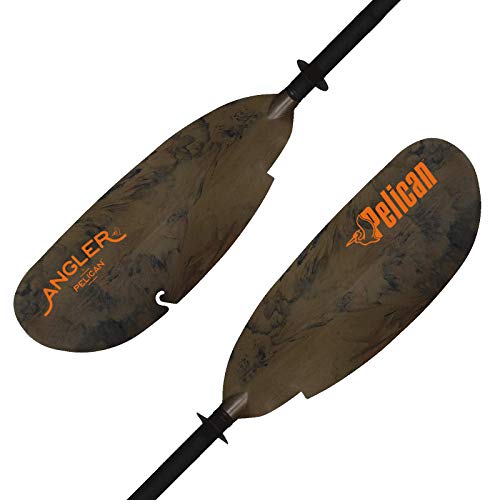
Longer reach:This high-quality paddle is extra long and sized to fit modern fishing kayaks over 34" wide.

✔【WHY YOU NEED MOOCY DRIFTSOCK?】MOOCY makes drift socks in all sizes (18'-56'') to match any technique and boat size.The drift control 30ft. harness buoy with 30 foot Rope features stainless steel clip that makes securing your drift sock to the boat simple, and allows for a quick release of the sock to make way for fighting a trophy fish. The blaze-orange Buoy is easily seen and retrieved,comes with a 30-foot dump line.

UV-Protected HDPE Construction for Durability: Built with high-density polyethylene (HDPE) plastic, this kayak is both lightweight and highly durable, offering long-lasting protection against UV rays for years of use in various conditions. Paddle included.
What Length Fishing Kayak Fits in a Truck Bed?
A 10-foot kayak fits completely inside most full-size truck beds (6.5-8 foot beds) with the tailgate closed, while 12-foot kayaks require the tailgate down or a bed extender. Most 14-foot kayaks extend significantly beyond the truck bed and need a roof rack or trailer for safe transport.
Full-size truck beds (6.5-8 feet):
- 10-foot kayak: Fits inside with tailgate closed (may need to angle slightly)
- 12-foot kayak: Fits with tailgate down and red flag on the stern
- 14-foot kayak: Extends 4-6 feet past tailgate (not recommended for bed transport)
Mid-size truck beds (5-6 feet):
- 10-foot kayak: Fits with tailgate down
- 12-foot kayak: Extends significantly, requires bed extender and secure tie-downs
- 14-foot kayak: Too long for safe bed transport
Legal requirements: When a kayak extends past your tailgate, most states require a red flag or cloth (at least 12 inches square) attached to the furthest point. Some states limit overhang to 4 feet beyond the rear bumper, making 14-foot kayaks illegal for truck bed transport.
Practical tip: If truck bed transport is your primary method, a 10-foot kayak eliminates hassle and keeps your kayak secure inside the bed where it won’t catch wind or require complex tie-down systems.
Short vs Long Fishing Kayak Pros and Cons
Short Kayaks (8-10 feet):
Pros:
- Turn quickly in tight spaces (rivers, creeks, around structure)
- Easier to transport and load solo (typically 45-65 pounds)
- Fit in smaller vehicles and storage spaces
- Less expensive ($500-900 for quality models)
- Better for small waters where maneuverability matters most
Cons:
- Slower paddling speed requires more effort over distance
- Less storage space for gear and fish
- More affected by wind and waves
- Harder to paddle straight (requires more correction strokes)
- Lower weight capacities (usually 300-350 pounds)
Long Kayaks (13-15 feet):
Pros:
- Faster and more efficient for covering distance
- Track straighter with less paddle correction
- More storage for extended trips and big catches
- Handle waves and wind better
- Higher weight capacities (400-550 pounds)
Cons:
- Harder to maneuver in tight spaces
- Heavier and more difficult to transport (typically 70-95 pounds)
- Require more storage space at home
- More expensive ($900-1,500+ for quality models)
- Overkill for small ponds and narrow rivers
Medium Kayaks (11-12 feet):
These split the difference and work well for 80% of fishing situations, which is why they’re the most popular length category. They’re fast enough for lakes, maneuverable enough for rivers, and manageable enough for solo transport.
Best Kayak Length for River Fishing vs Bay Fishing
River fishing demands a 10-11 foot kayak for maneuverability around obstacles and through current, while bay fishing works best with a 12-13 foot kayak that handles wind, chop, and longer distances efficiently. The difference comes down to the environment: rivers require quick turns and obstacle avoidance, while bays demand speed and straight tracking across open water.
River fishing (moving water):
- Ideal length: 10-11 feet
- Why: You need to dodge rocks, logs, and overhanging branches while controlling your position in current
- Hull type matters too: Choose a kayak with a flatter hull (better initial stability and maneuverability) rather than a V-hull designed for speed
- Current consideration: Shorter kayaks are easier to ferry across current and hold in eddies while fishing
Bay fishing (tidal waters):
- Ideal length: 12-13 feet
- Why: Bays often require paddling 1-3 miles to reach structure, grass flats, or oyster bars where fish concentrate
- Wind factor: Bay fishing means dealing with afternoon winds that create chop; longer kayaks handle this better
- Tidal current: The extra length helps you paddle against outgoing tide when heading back to the launch
Hybrid approach: If you fish both environments regularly, a 12-foot kayak compromises well. You’ll sacrifice some river maneuverability but gain significant bay performance compared to a 10-footer.
Can a Kayak Be Too Long for Fishing?
Yes, a kayak can be too long if it doesn’t match your fishing style, transport capabilities, or the waters you fish most often. A 14-foot kayak is excessive for pond fishing, nearly impossible to load solo onto an SUV, and frustrating to maneuver around docks and structure. The “too long” threshold depends on your specific situation rather than an absolute measurement.
Signs your kayak is too long:
- You struggle to turn quickly enough to cast to fish you spot
- Loading and unloading takes more than 15 minutes and leaves you exhausted
- You can’t store it properly and it’s damaged from poor storage
- You avoid fishing certain spots because the kayak is too unwieldy
- You spend more time fighting the kayak than fishing
When 14+ feet makes sense:
- You fish exclusively large lakes, bays, or ocean
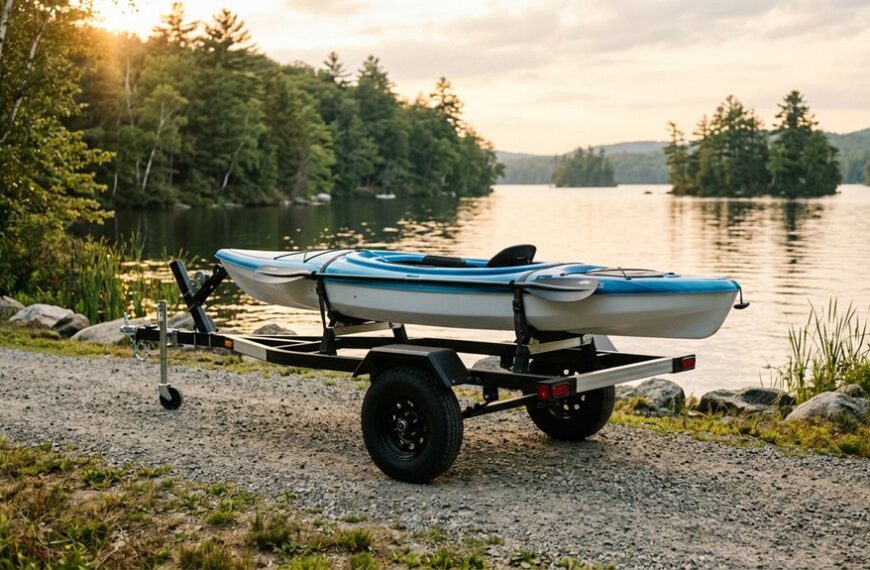
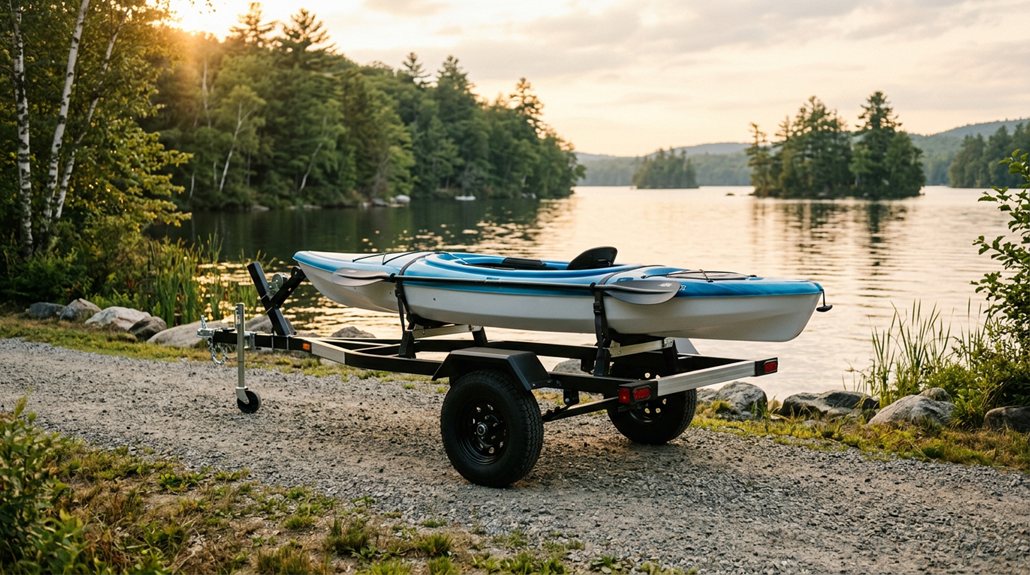
- You have a trailer or quality roof rack system
- You regularly paddle 3+ miles per trip
- You’re a serious tournament angler covering lots of water
- You have help loading or a permanent dock storage solution
The diminishing returns point: For most recreational anglers, kayaks longer than 14 feet offer minimal practical benefit and significant drawbacks. The speed gain from 14 to 16 feet is modest, but the handling and transport challenges increase substantially.
Is a 14 Foot Kayak Too Long for Solo Fishing?
A 14-foot kayak is not too long for solo fishing if you have proper transport equipment and fish waters where the extra length provides real benefits (large lakes, bays, or ocean). However, it’s often more kayak than solo anglers need unless they regularly paddle long distances or fish in challenging conditions that demand the extra speed and wave handling.
Solo fishing advantages of 14-footers:
- Cover more water per day (important when fishing alone without a partner to share scouting)
- Carry enough gear for self-sufficient all-day trips
- Handle wind and waves confidently without a partner for stability
- Track straight with less effort, reducing fatigue on solo trips
Solo fishing challenges:
- Loading a 75-90 pound kayak onto a vehicle alone requires technique or assistance equipment (loading ramps, J-racks)
- Launching from steep or rocky shores is physically demanding
- Maneuvering in tight spots while managing rods and gear is harder
- If you capsize, re-entering a 14-foot kayak solo in deep water is more difficult than a shorter model
Better solo options: Most solo anglers find 12-foot kayaks hit the sweet spot, long enough for efficiency and storage, short enough for manageable solo handling. A 12-footer weighs 60-75 pounds (20-30% lighter than 14-footers) and is noticeably easier to wrestle onto a roof rack alone.
Do Taller People Need Longer Fishing Kayaks?
Taller people do not necessarily need longer fishing kayaks, but they do need kayaks with adequate cockpit length, adjustable footrests, and sufficient weight capacity. A 6’4″ angler can fish comfortably from a 10-foot kayak if the cockpit is properly sized, while a 5’8″ angler might choose a 14-foot kayak for speed and storage reasons unrelated to height.
What tall anglers actually need:
- Cockpit length: At least 50-55 inches from seat to bow for paddlers over 6’2″
- Adjustable footrests: Full range of adjustment (most kayaks accommodate up to 6’4″ with proper footrests)
- Seat position: Some kayaks position the seat farther forward or back, affecting leg room regardless of overall length
- Weight capacity: Taller people often weigh more, requiring higher capacity (but this correlates with kayak volume, not just length)
Compact kayaks that fit tall paddlers: Many 10-11 foot fishing kayaks have spacious cockpits because they’re designed wide and deep rather than long and narrow. Check the cockpit dimensions, not just overall length.
When height does matter: If you’re over 6’5″, you may need to test-sit kayaks before buying. Some models simply don’t have enough leg room regardless of adjustments. But this is about cockpit design, not whether you need a 14-foot kayak versus a 12-footer.
Shorter paddlers: Anglers under 5’6″ sometimes struggle with kayaks that have non-adjustable footrests positioned for average height. Again, this is a cockpit issue, not a reason to choose a shorter overall kayak length.
Common Mistakes When Choosing Kayak Length
Buying too long for your vehicle: The most common mistake is buying a kayak that doesn’t fit your transport setup. A 14-foot kayak on a sedan without a proper roof rack system is a recipe for damage, danger, and frustration. Always confirm your transport solution before choosing length.
Prioritizing speed over actual fishing needs: Many anglers buy longer kayaks for speed but fish small ponds where they never paddle more than half a mile. The extra length becomes a liability in tight spaces without providing any real benefit.
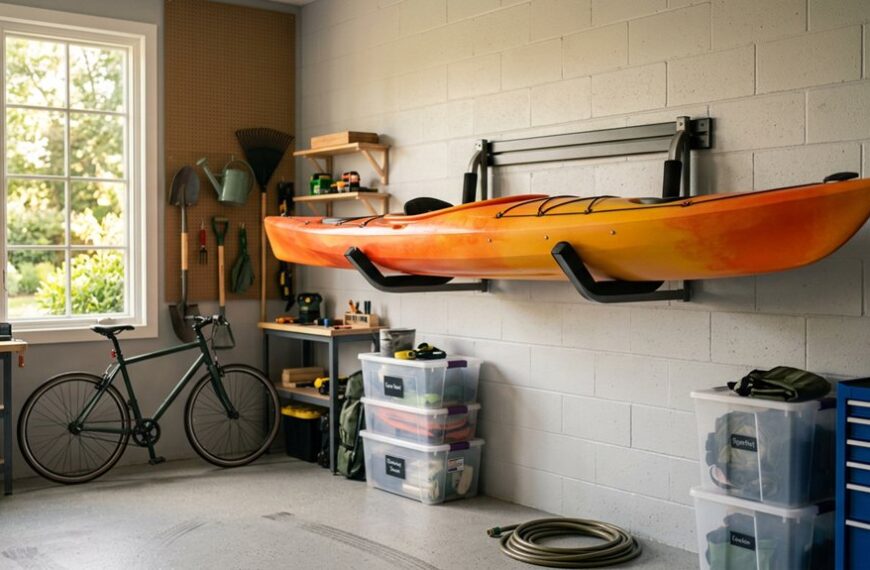
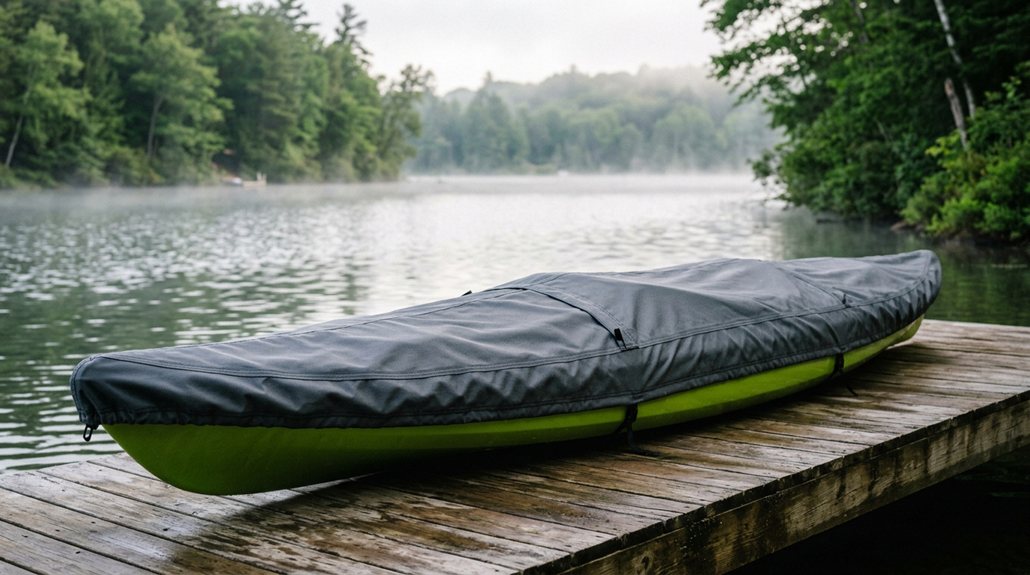
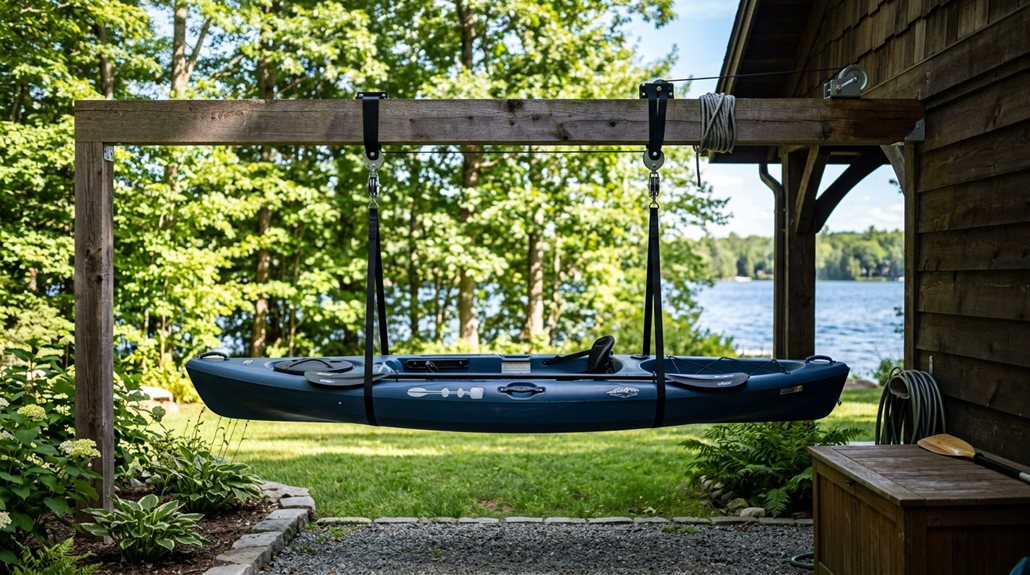
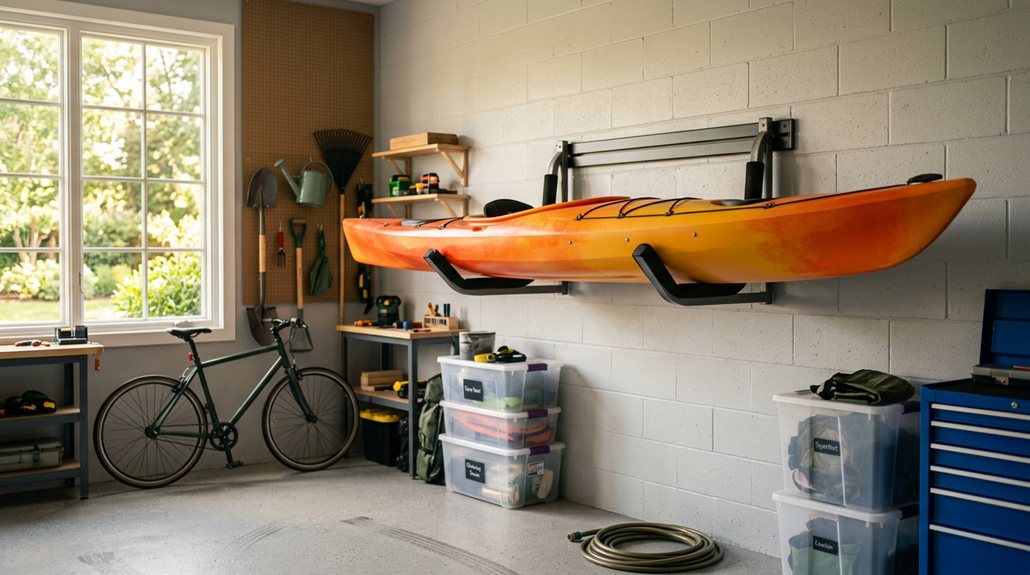
Ignoring storage space at home: A 14-foot kayak that doesn’t fit in your garage and sits outside all year will deteriorate quickly. UV damage, warping from improper storage, and weather exposure reduce kayak lifespan significantly.
Choosing length based on height alone: As discussed earlier, your height doesn’t determine ideal kayak length. Cockpit dimensions and weight capacity matter more than matching your height to kayak length.
Buying too short for your ambitions: Some anglers buy 10-foot kayaks to save money, then realize they want to fish larger waters. Upgrading within a year costs more than buying the right length initially. Consider where you’ll fish in two years, not just today.
Forgetting about wind: Shorter kayaks are more affected by wind, especially when sitting still while fishing. If you fish open water regularly, that extra length helps maintain position and reduces paddle effort in windy conditions.
Not testing before buying: Kayak length affects handling in ways that aren’t obvious until you’re on the water. If possible, rent or demo different lengths before committing to a purchase.
How Much Does Kayak Length Affect Price?
Kayak length typically adds $100-300 per two feet of length within the same model line, though the relationship isn’t perfectly linear. A 10-foot kayak might cost $700, the 12-foot version $850, and the 14-foot model $1,100. However, other factors like materials, features, and brand reputation often affect price more than length alone.
Price factors beyond length:
- Materials: Rotomolded polyethylene (most common, affordable) versus thermoformed plastic (lighter, more expensive) versus composite materials (lightest, most expensive)
- Features: Pedal drives add $1,000-2,000 regardless of length; advanced seat systems add $200-400
- Brand: Premium brands charge 20-40% more for similar specs compared to budget brands
- Accessories included: Some kayaks include paddle, seat upgrades, and rod holders; others are bare-bones
Typical price ranges by length (2026 mid-range fishing kayaks):
- 8-10 feet: $500-900
- 11-12 feet: $700-1,200
- 13-14 feet: $900-1,500
- 15+ feet: $1,200-2,500+
Best value: The 12-foot category offers the best price-to-versatility ratio. You get significant capability improvements over 10-footers for a modest price increase, while avoiding the premium pricing of 14+ foot models.
Used market consideration: Longer kayaks depreciate faster because fewer buyers have the transport and storage capacity for them. A used 14-foot kayak might sell for 50-60% of retail, while a 12-footer holds 65-75% of its value.
Conclusion
Choosing the right fishing kayak length comes down to matching the kayak to your most common fishing environments, transport capabilities, and physical needs. For most anglers, a 12-foot kayak delivers the best balance of speed, storage, maneuverability, and practicality. It’s long enough to paddle efficiently on lakes and bays, short enough to handle rivers and ponds, and manageable enough for solo transport with proper equipment.
If you fish primarily small waters, have limited storage space, or want the easiest possible transport, a 10-foot kayak will serve you well without feeling limiting. If you regularly fish large lakes, bays, or coastal waters and have the vehicle and storage to support it, a 14-foot kayak provides real performance benefits that justify the extra hassle.
Your next steps:
- List your top three fishing locations and note the typical distances you’ll paddle at each
- Measure your vehicle’s roof rack or truck bed to confirm what lengths you can transport safely
- Check your garage or storage area to ensure you can store your chosen length properly
- Test paddle if possible by renting or demoing 10, 12, and 14-foot kayaks in conditions similar to where you’ll fish
- Set a realistic budget that includes the kayak, paddle, PFD, and any transport equipment you’ll need
Remember that kayak width, hull design, and weight capacity often matter more than length for stability and comfort. A well-chosen 12-foot kayak will outperform a poorly-matched 14-footer every time. Focus on finding the right tool for your specific fishing style rather than chasing the longest or shortest option.