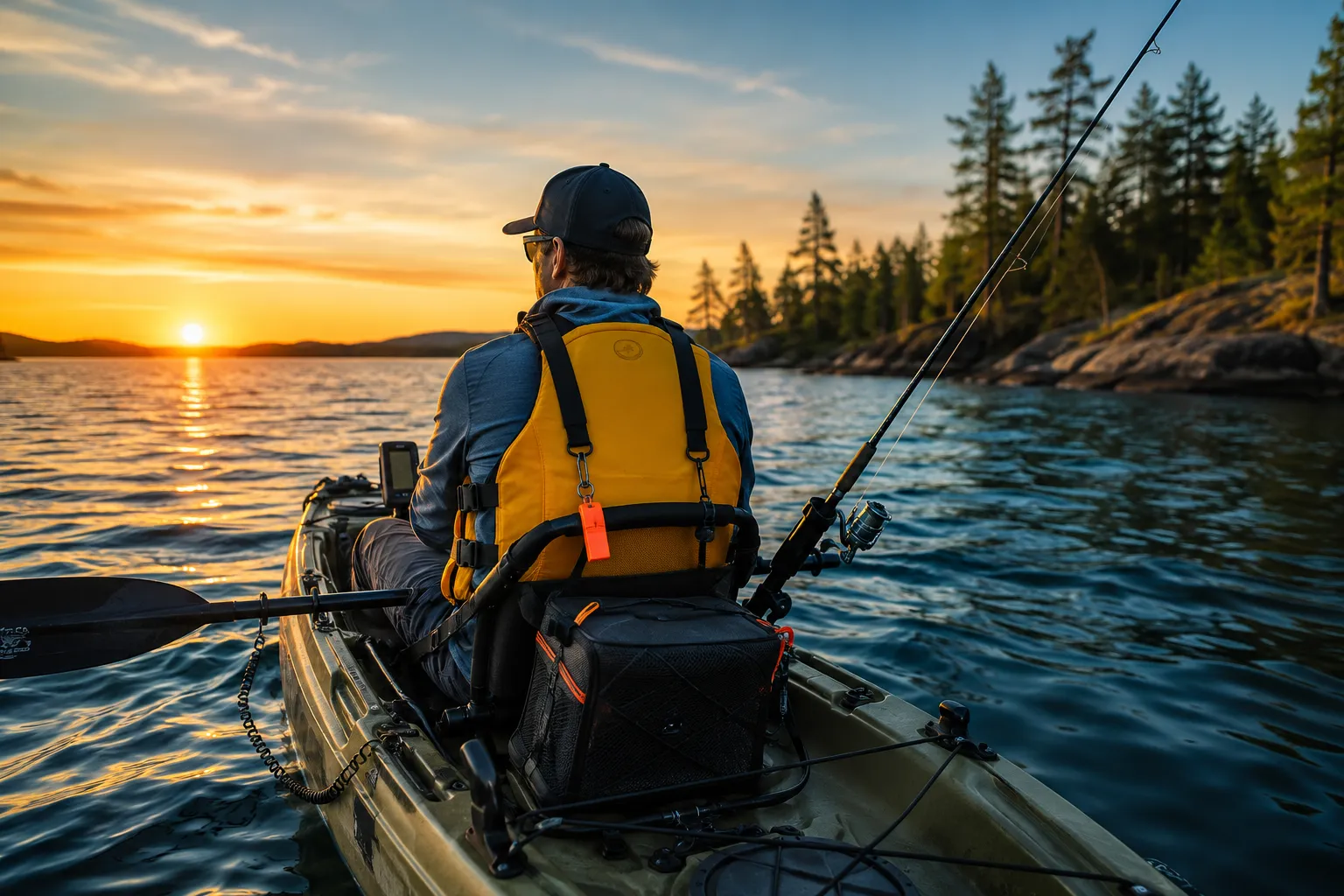
Quick Answer: Kayak fishing carries inherent risks including capsizing, drowning, hypothermia, and weather-related hazards, but it is not inherently dangerous when anglers use proper safety equipment, practice essential skills, and make informed decisions about conditions. Most kayak fishing accidents result from preventable mistakes like skipping life jackets, fishing alone in challenging conditions, or ignoring weather warnings rather than from the activity itself.
Key Takeaways
- Kayak fishing is safer than many assume when proper precautions are taken, with most accidents stemming from human error rather than equipment failure
- A properly fitted life jacket is non-negotiable and reduces drowning risk by over 80% in kayak fishing incidents
- Sit-on-top kayaks are generally safer for fishing because they’re easier to re-enter after a capsize and self-drain water
- Weather conditions pose the greatest danger to kayak anglers, making pre-trip weather checks and the ability to recognize changing conditions critical
- Solo kayak fishing significantly increases risk, especially for beginners or in challenging environments like oceans or fast-moving rivers
- Cold water is more dangerous than rough water because hypothermia can incapacitate an angler in minutes, even in summer
- Most kayak fishing accidents are preventable through proper training, appropriate gear, and conservative decision-making about when and where to fish
Every year, thousands of newcomers discover kayak fishing and immediately wonder: is kayak fishing dangerous? The short answer is that kayak fishing involves manageable risks that become dangerous only when anglers ignore safety fundamentals, overestimate their abilities, or underestimate environmental conditions. Unlike shore fishing or boat fishing, kayak fishing places you closer to the water with less stability and fewer resources if something goes wrong, but this doesn’t make it inherently hazardous when approached responsibly.
The difference between a safe kayak fishing experience and a dangerous one often comes down to preparation, equipment, and judgment. Understanding the specific risks, knowing how to mitigate them, and recognizing your limitations transforms kayak fishing from a potentially dangerous activity into a reasonably safe outdoor pursuit.
What Are the Main Dangers of Kayak Fishing?
The primary dangers of kayak fishing include capsizing and drowning, hypothermia from cold water immersion, weather-related hazards like sudden storms or high winds, collisions with other vessels, getting swept away by currents or tides, and injuries from fishing gear or marine life. Each of these risks can be serious, but all are manageable with proper precautions.
Capsizing and drowning top the list because kayaks are inherently less stable than larger boats. When you add the movements required for fishing, casting, reeling in fish, reaching for gear, the risk of flipping increases. Without a life jacket, even strong swimmers can drown, especially in cold water or when tangled in gear.
Hypothermia develops when your body loses heat faster than it can produce it, and water conducts heat away from your body 25 times faster than air. You don’t need to be fishing in winter to face hypothermia risk; water below 70°F can cause hypothermia within an hour, and water below 60°F can incapacitate you in as little as 15 minutes.
Weather hazards include:
- Sudden thunderstorms with lightning strikes
- High winds that create dangerous waves and make paddling impossible
- Fog that causes disorientation and collision risk
- Rapid temperature drops that lead to hypothermia
- UV exposure causing heat exhaustion or sunstroke
Other significant dangers:
- Boat traffic: Kayaks sit low in the water and are difficult for larger vessels to see, especially in choppy conditions or low light
- Strong currents and tides: Can sweep you away from shore or into dangerous areas faster than you can paddle back
- Fishing gear injuries: Hooks in skin, cuts from knives or fish spines, entanglement in line
- Marine life: Jellyfish stings, stingray injuries, aggressive fish, or in some regions, alligators or sharks
The common mistake anglers make is treating kayak fishing like shore fishing with a better view. In reality, you’re operating a small watercraft that requires boat-handling skills, water safety knowledge, and constant environmental awareness.
Is Kayak Fishing More Dangerous Than Regular Fishing From Shore?
Yes, kayak fishing is generally more dangerous than shore fishing because you’re on the water rather than beside it, which introduces risks of capsizing, drowning, hypothermia, and getting caught in dangerous conditions far from safety. However, kayak fishing is typically safer than fishing from larger boats in terms of injury severity if proper safety protocols are followed.
Shore fishing keeps you on solid ground with immediate access to shelter, help, and safety. If weather turns bad, you simply walk away. If you fall, you’re not in water. If you get a hook in your hand, you can drive to urgent care.
Kayak fishing removes these safety buffers:
- You’re surrounded by water, not standing beside it
- Weather changes can trap you far from shore
- A simple slip becomes a water emergency
- Help is harder to reach and takes longer to arrive
- You’re carrying limited safety and communication equipment
However, kayak fishing has some safety advantages over larger boat fishing:
- Lower speeds mean less severe collision injuries
- Smaller craft are easier to control in tight spaces
- You’re closer to shore in most situations
- Less expensive equipment means less pressure to fish in marginal conditions
- Simpler systems mean fewer mechanical failures
The key factor is distance from safety. Shore fishing keeps you steps from your vehicle and dry land. Kayak fishing can put you hundreds of yards or even miles from shore, where a problem that would be minor on land becomes a serious emergency on water.
Choose shore fishing if:
- You’re a complete beginner to both fishing and paddling
- You’re fishing alone and haven’t practiced self-rescue
- Weather conditions are marginal
- Water temperature is below 60°F and you lack cold-water gear
Kayak fishing is reasonable when:
- You’ve practiced basic paddling and self-rescue skills
- You’re wearing a proper life jacket
- Conditions are favorable and you’ve checked the forecast
- You have appropriate safety gear and communication devices
How Many Kayak Fishing Accidents Happen Each Year?
Precise statistics specifically for kayak fishing accidents are not comprehensively tracked by most agencies, as recreational kayaking incidents are typically grouped together regardless of whether fishing was involved. However, the U.S. Coast Guard reports that kayaks account for a growing percentage of recreational boating fatalities, with several hundred kayaking-related deaths and thousands of injuries annually across all kayaking activities.
What we do know from available data:
- The majority of kayaking fatalities involve people not wearing life jackets
- Cold water immersion is a factor in a significant percentage of kayak deaths
- Most incidents occur in calm conditions, not during storms, suggesting complacency is a major risk factor
- Kayak incidents have increased as the sport’s popularity has grown, though it’s unclear if the rate per participant has changed
Important context: The absence of specific kayak fishing accident data doesn’t mean the activity is either especially safe or especially dangerous. It means that when evaluating risk, you should focus on the known risk factors, life jacket use, water temperature, weather conditions, skill level, and decision-making, rather than trying to calculate odds based on incomplete statistics.
The common mistake is assuming that because you don’t hear about kayak fishing accidents frequently, they’re rare. In reality, many incidents go unreported in national databases, especially when they don’t result in death or Coast Guard involvement.
What Safety Gear Do You Need for Kayak Fishing?
Essential safety gear for kayak fishing includes a Coast Guard-approved life jacket (PFD), a whistle or sound-making device, a paddle leash, a bilge pump or bailer, a first aid kit, sun protection, a communication device (VHF radio or waterproof phone), and appropriate clothing for water temperature. This gear forms your minimum safety baseline regardless of where or when you fish.
Non-negotiable safety equipment:
Life jacket (PFD): Must be Coast Guard-approved Type III or Type V, properly fitted, and worn at all times, not stored on the kayak. Fishing-specific PFDs include rod holder attachments and pockets but must still meet safety standards.
Whistle: Required by law in most states, attached to your PFD. Sound carries much farther than your voice over water and works when you’re exhausted or in distress.
Paddle leash: Keeps your paddle attached to your kayak so it doesn’t float away if you capsize. A lost paddle turns a manageable situation into an emergency.
Bilge pump or bailer: Removes water from your kayak. Even sit-on-tops benefit from a sponge or small pump to clear water from gear areas.
Additional critical gear:
- Communication device: VHF marine radio (best option), waterproof cell phone in dry bag, or personal locator beacon for offshore fishing
- First aid kit: Waterproof container with basics plus fishing-specific items like hook removal tools
- Sun protection: Hat, sunglasses, sunscreen, and protective clothing
- Knife or multi-tool: For cutting tangled line in emergencies
- Dry bag: Keeps phone, keys, and emergency items dry
- Headlamp or flashlight: If there’s any chance you’ll be on water after dark
- Anchor system: Prevents drifting into dangerous areas
Recommended upgrades:
- Paddle float for self-rescue assistance
- Throw rope for helping others or self-rescue
- Waterproof GPS or compass
- Extra paddle (for longer trips)
- Reflective tape or flag to increase visibility
The edge case many anglers miss: your safety gear must be accessible while you’re in the water, not just while you’re in the kayak. A whistle buried in a hatch or a phone in a sealed compartment does you no good if you’ve capsized.
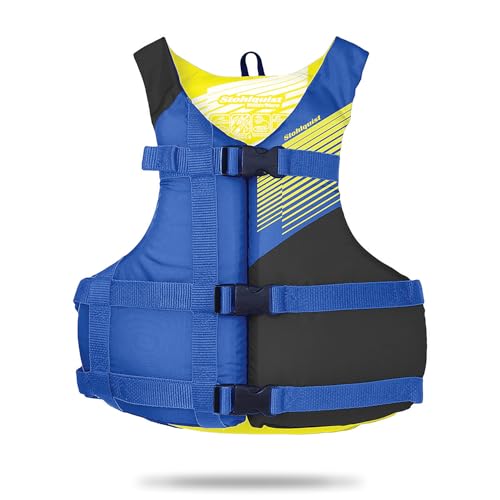
TRUSTED SAFETY SINCE 1977: Stohlquist has led innovation in life jackets for over 40 years, delivering reliable performance trusted by paddlers, kayakers, and boaters worldwide.
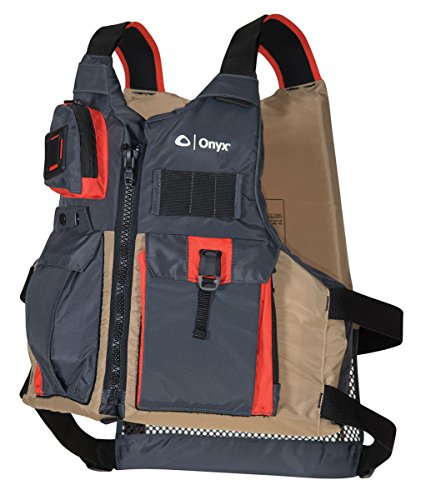
Designed for Anglers – Multiple pockets and tool holders keep fishing gear within easy reach
Can You Drown While Kayak Fishing?
Yes, you can drown while kayak fishing, and drowning is the leading cause of death in kayaking accidents. However, wearing a properly fitted Coast Guard-approved life jacket reduces your drowning risk by more than 80%, making it the single most important safety decision you can make.
Drowning while kayak fishing typically happens through several scenarios:
Capsizing without a life jacket: You flip, become disoriented or exhausted, and can’t stay afloat long enough to reach safety or be rescued. Even strong swimmers drown this way, especially in cold water where swimming ability deteriorates rapidly.
Cold water shock and hypothermia: Sudden immersion in cold water causes an involuntary gasp reflex that can lead to water inhalation. Within minutes, cold water reduces your ability to swim or hold onto your kayak, even if you’re wearing a life jacket.
Entanglement: Fishing line, anchor rope, or paddle leashes can entangle you during a capsize, preventing you from surfacing or swimming. This is why proper equipment setup and quick-release mechanisms are critical.
Medical emergency: Heart attack, stroke, or other sudden medical event while on the water, where even a life jacket may not keep your airway clear if you’re unconscious.
The life jacket factor cannot be overstated. According to Coast Guard data, the vast majority of recreational boating drowning victims were not wearing life jackets. Many had one on the kayak but not on their body. A life jacket only works if you’re wearing it before you need it.
Common fatal mistakes:
- “I’m a strong swimmer” (swimming ability is irrelevant in cold water or when injured)
- “The water is calm” (most kayak drownings occur in calm conditions)
- “I’m only going out for an hour” (accidents don’t check your schedule)
- “It’s uncomfortable” (modern fishing PFDs are designed for all-day comfort)
Choose a life jacket if: You want to survive a capsizing. There is no scenario where kayak fishing without a life jacket is the safer choice.
Is Kayak Fishing Safe for Beginners?
Kayak fishing can be safe for beginners if they start in calm, protected waters, wear proper safety gear, take a basic kayaking safety course, and fish with experienced partners who can provide guidance and assistance. Beginners should not start kayak fishing alone, in challenging conditions, or without first practicing basic paddling and self-rescue skills.
What makes kayak fishing beginner-friendly:
- Modern fishing kayaks are more stable than traditional kayaks
- You can start in shallow, calm water close to shore
- The learning curve for basic paddling is relatively short
- You don’t need expensive equipment to fish safely
- Many communities offer kayak fishing clubs and mentorship
What makes it risky for beginners:
- Overconfidence after initial success in calm conditions
- Lack of experience reading weather and water conditions
- Poor understanding of self-rescue techniques
- Inadequate safety gear or improper use
- Fishing alone before developing competence
Beginner-safe progression:
- Take a basic kayaking course that covers paddling technique, wet exit, and self-rescue
- Practice in a pool or calm lake without fishing gear first
- Start fishing in protected water (small lakes, calm bays, slow rivers) within 100 yards of shore
- Fish with experienced kayak anglers for your first several trips
- Gradually increase difficulty as skills and confidence grow
Beginner mistakes that create danger:
- Skipping the learning phase and going straight to fishing
- Choosing challenging locations because “that’s where the fish are”
- Buying a kayak without testing stability or fit
- Overloading the kayak with gear on early trips
- Ignoring weather forecasts or warning signs
You’re ready to kayak fish as a beginner when:
- You can paddle confidently in a straight line and turn effectively
- You’ve practiced getting back on your kayak after falling off
- You understand basic weather patterns and know when not to go
- You have all essential safety gear and know how to use it
- You’ve found a beginner-friendly location with easy water access
The edge case: Some beginners are safer than experienced anglers who’ve developed bad habits. A beginner who takes a safety course, wears a life jacket, and fishes conservatively is safer than a 10-year veteran who’s become complacent and takes unnecessary risks.
What Are Common Mistakes That Make Kayak Fishing Dangerous?
The most dangerous mistakes kayak anglers make include not wearing a life jacket, fishing alone in challenging conditions, ignoring weather warnings, overloading the kayak, failing to tell anyone their plans, and overestimating their abilities while underestimating environmental hazards. These errors are entirely preventable but account for the majority of serious kayak fishing incidents.
Critical safety mistakes:
Not wearing a PFD: The number one fatal mistake. Many anglers have a life jacket on the kayak but not on their body, which is useless during a sudden capsize.
Fishing alone without proper preparation: Solo fishing is higher risk, especially for beginners or in challenging environments. If you fish alone, you must have solid self-rescue skills, appropriate safety gear, and a float plan filed with someone on shore.
Ignoring weather forecasts: Checking weather once before you leave isn’t enough. Conditions change, and you need to monitor forecasts and be willing to cut your trip short or not launch at all.
Overloading the kayak: Exceeding weight capacity or piling gear too high raises the center of gravity and makes the kayak unstable and prone to capsizing.
Poor anchor practices: Anchoring from the side of the kayak (instead of bow or stern) can cause it to flip if current or wind catches it. Not using a quick-release system can trap you if you need to escape quickly.
Additional dangerous mistakes:
- Standing in a kayak without practicing first or in inappropriate conditions
- Fishing in boat traffic lanes or low-visibility areas without proper lighting or flags
- Not securing gear, which becomes dangerous projectiles during a capsize
- Wearing waders or heavy boots that fill with water and drag you down
- Drinking alcohol while kayak fishing
- Using a paddle leash that doesn’t have a quick-release mechanism
- Fishing in water temperatures below 60°F without cold-water protection
- Not knowing how to perform a self-rescue or re-enter your kayak
The complacency trap: Experienced anglers often become more dangerous over time as they get away with risky behavior. “I’ve done this a hundred times” becomes justification for skipping safety steps, right up until the day conditions are different or luck runs out.
Decision-making mistakes:
- “I’ll just go out for a quick trip” in marginal conditions
- “The weather looks fine” without checking the actual forecast
- “I don’t need to tell anyone” where you’re going or when you’ll return
- “I can handle it” when conditions exceed your skill level
The common thread in most kayak fishing accidents is that the angler made a choice that prioritized convenience, comfort, or catching fish over safety. The fish will still be there tomorrow; you might not be if you make the wrong call today.
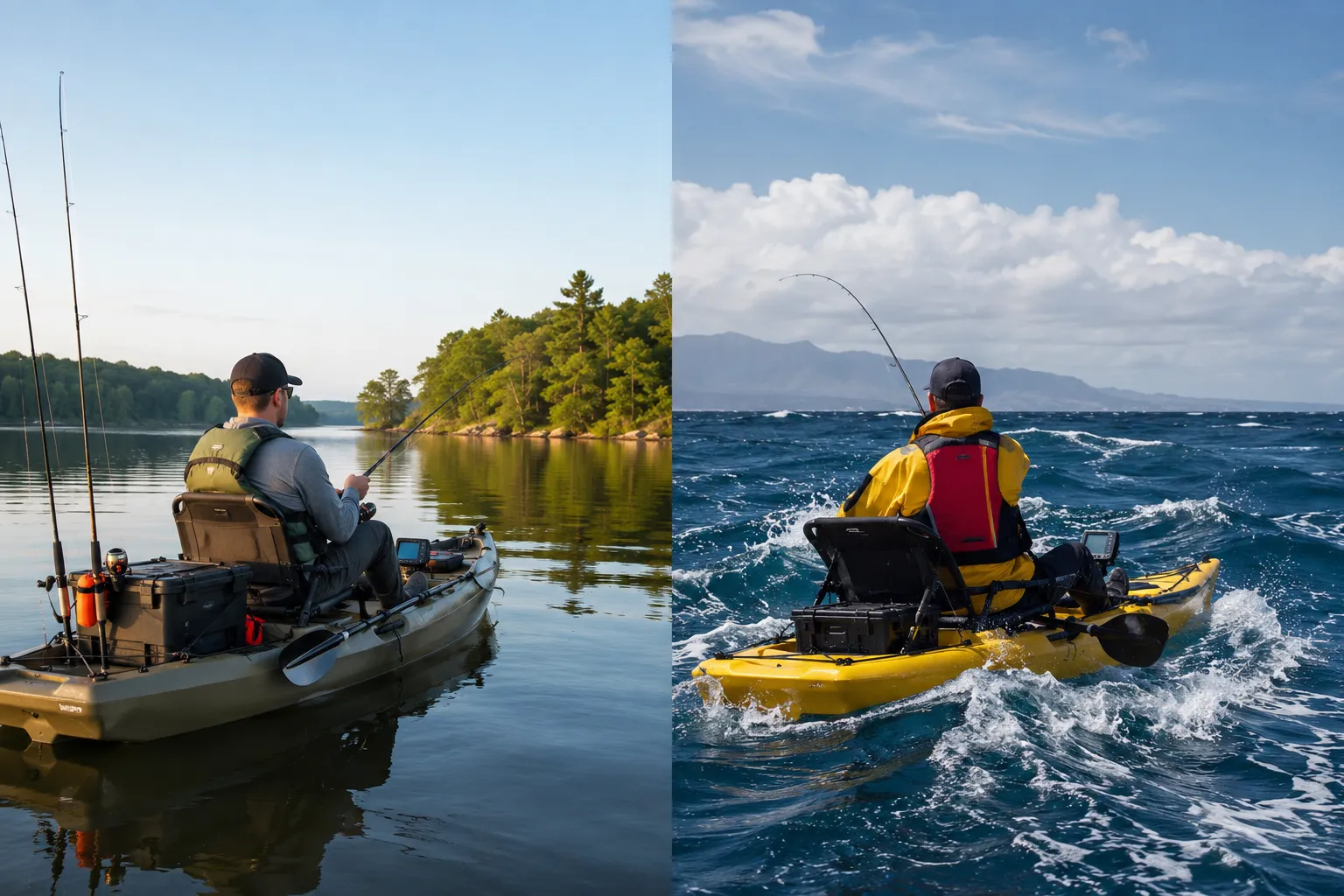
Kayak Fishing in Ocean vs Lake: Which Is Safer?
Lake kayak fishing is significantly safer than ocean kayak fishing because lakes have calmer conditions, no tides or currents, warmer water temperatures, shorter distances to shore, and less boat traffic. Ocean kayak fishing introduces additional hazards including tides, currents, waves, wind, colder water, longer distances from safety, and more challenging navigation.
Why lakes are safer:
- Predictable conditions: No tides to track, minimal current, waves only in high wind
- Warmer water: Lakes warm faster in summer, reducing hypothermia risk
- Proximity to shore: Most lake fishing keeps you within a few hundred yards of land
- Easier navigation: Shoreline is visible, landmarks are clear, getting lost is difficult
- Calmer water: Even windy days on lakes are typically manageable
- Less boat traffic: Fewer and slower boats compared to coastal areas
Ocean fishing hazards:
- Tides and currents: Can sweep you miles offshore or into dangerous areas
- Waves and swells: Ocean swells can flip kayaks even on seemingly calm days
- Wind: Offshore winds can prevent you from paddling back to shore
- Cold water: Ocean water stays cold year-round in many regions
- Distance: Ocean fishing often puts you miles from shore
- Boat traffic: Large vessels, fast boats, and limited visibility
- Marine life: Sharks, jellyfish, and other hazards not present in lakes
That said, ocean kayak fishing can be done safely with:
- Extensive experience and training specific to ocean conditions
- Appropriate ocean-rated kayak and safety equipment
- Understanding of tides, currents, and weather patterns
- VHF radio and GPS navigation
- Fishing with partners
- Conservative decision-making about when and where to launch
The middle ground: Protected bays, estuaries, and inshore areas offer ocean fishing opportunities with reduced risk compared to open ocean while still requiring more skill and caution than lake fishing.
Choose lake fishing if:
- You’re a beginner or intermediate kayak angler
- You want to focus on fishing rather than water conditions
- You’re fishing alone
- You have limited safety equipment
Ocean fishing is appropriate when:
- You have significant kayak fishing experience
- You’ve taken ocean-specific kayaking courses
- You have proper ocean safety gear including VHF radio
- You understand tides, currents, and ocean weather
- You’re fishing with experienced partners
The mistake many anglers make is treating ocean kayak fishing like lake fishing with saltwater fish. The environment is fundamentally different and requires different skills, equipment, and mindset.

【Package List】Package Includes 8 stretchy lanyard, perfect not only for fishing tools but also for everyday use. Fishing lanyard is suitable for a variety of small, lightweight items that are easily dropped or lost

✦ Fish Finder and Depth Finder : It is a portable fish finder that could display approximate fish location and water depth. The sonar transducer can be attached to the hull of kayak or boat in order to understand the changing of water depth when you are moving by. The water depth detection range is between 3ft(1m) and 328ft (100m) when the transducer is completely immersed in the water.
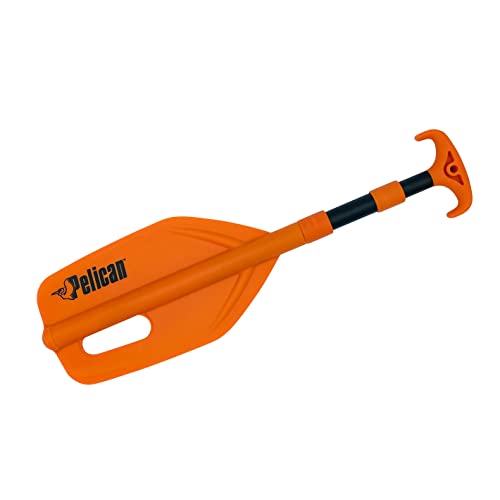
Ergonomic Handle: Ergonomic handle with integrated hooks and integrated in the blade For maximum reach. There is also a hole in the handle that allows you to secure the paddle inside your watercraft.
Do I Need a Life Jacket for Kayak Fishing?
Yes, you absolutely need a Coast Guard-approved life jacket (PFD) for kayak fishing, and in most states, you’re legally required to have one on board. More importantly, you should wear it at all times while on the water, not just carry it on the kayak, because the majority of kayaking drowning victims had a life jacket available but weren’t wearing it when they capsized.
Legal requirements: Most states require kayaks to carry a Coast Guard-approved Type I, II, III, or V life jacket for each person on board. Some states require children to wear them at all times. Some states require all kayakers to wear them during certain seasons or conditions.
Why wearing it matters: Capsizing happens suddenly and without warning. You don’t have time to put on a life jacket after you’re in the water. If you hit your head during the capsize, you may be unconscious. If the water is cold, you may lose dexterity within minutes and be unable to fasten a life jacket even if you could reach it.
Choosing the right PFD for fishing:
Type III PFD: Most popular for kayak fishing. Comfortable for all-day wear, allows freedom of movement for casting and paddling, often includes fishing-specific features like rod holders and pockets.
Inflatable PFD (Type V): More comfortable in hot weather, less bulky, but requires maintenance and can fail if not properly maintained. Must be manually or automatically inflated, which adds a failure point.
Key features for fishing PFDs:
- High back that doesn’t interfere with kayak seat
- Large armholes for casting freedom
- Pockets for gear and tackle
- Attachment points for tools and accessories
- Bright colors for visibility
- Proper fit (snug but not restrictive)
Common excuses and why they’re wrong:
“It’s uncomfortable” → Modern fishing PFDs are designed for all-day comfort. If yours is uncomfortable, you have the wrong size or style.
“I’m a strong swimmer” → Swimming ability is irrelevant if you’re unconscious, hypothermic, or exhausted. Strong swimmers drown regularly.
“The water is calm” → Most kayaking drownings occur in calm conditions when people are least prepared.
“It’s too hot” → Heat exhaustion is treatable; drowning is not. Inflatable PFDs offer a cooler alternative.
“I’m only going out for a few minutes” → Accidents don’t wait for longer trips.
The bottom line: Wearing a life jacket is the single most effective action you can take to prevent drowning while kayak fishing. There is no rational argument for not wearing one, and doing so dramatically increases your survival odds in any water emergency.
What to Do If Your Fishing Kayak Flips Over
If your fishing kayak flips over, stay calm, stay with your kayak, and immediately assess your situation before attempting to re-enter or swim to shore. Your kayak provides flotation even when capsized, making it safer to stay with it than to swim, especially if you’re far from shore or in cold water.
Immediate actions after capsizing:
- Stay calm and assess: Take a breath, look around, locate your paddle and kayak
- Stay with your kayak: It floats and is easier to spot than a person in the water
- Signal for help if needed: Use your whistle (attached to your PFD) if you’re in distress
- Secure your paddle: Grab it before it floats away or use your paddle leash
- Decide on re-entry or swim: Based on conditions, distance to shore, and your ability
Re-entering a sit-on-top kayak (most common for fishing):
- Position yourself at the side of the kayak, near the middle
- Reach across to the far side and grab the edge
- Kick your legs to the surface behind you
- Pull yourself up while kicking, sliding your belly onto the kayak
- Rotate your body and swing your legs up
- Get into sitting position and stabilize before retrieving gear
Re-entering a sit-inside kayak:
Sit-inside kayaks are much harder to re-enter in deep water and typically require a paddle float or assistance from another kayaker. If you capsize in a sit-inside, you may need to swim it to shore rather than attempt a deep-water re-entry without training.
When to swim to shore instead:
- You’re close to shore (less than 100 yards) in warm water
- You cannot re-enter the kayak after several attempts
- The kayak is damaged and won’t support you
- Conditions are worsening and staying on water is more dangerous
When to stay with the kayak and wait for rescue:
- You’re far from shore
- Water is cold
- Conditions are rough
- You’re exhausted
- Help is on the way
After re-entering:
- Bail or pump water from the kayak
- Retrieve your paddle if you lost it
- Assess your condition (cold, injured, exhausted)
- Decide whether to continue fishing or head to shore
- Consider that capsizing once means conditions or your approach may be problematic
Critical mistakes after capsizing:
- Panicking and hyperventilating
- Abandoning your kayak to swim to shore when far out
- Trying to re-enter from the end instead of the side
- Not using your whistle to signal for help
- Attempting to retrieve sunk gear instead of focusing on self-rescue
- Continuing to fish after a capsize without addressing what caused it
Practice before you need it: The time to learn self-rescue is not during an actual emergency. Practice in shallow, warm water with supervision until you can confidently re-enter your kayak. This skill is as essential as wearing a life jacket.
Is Kayak Fishing Safe Alone or Should I Go With Someone?
Kayak fishing alone is higher risk than fishing with a partner because you have no immediate assistance if something goes wrong, but it can be done safely by experienced anglers who take extra precautions, file a float plan, carry appropriate safety and communication gear, and fish in familiar, protected waters. Beginners should always fish with others until they’ve developed solid skills and judgment.
Risks of solo kayak fishing:
- No one to help if you capsize or get injured
- No one to notice if you don’t return
- Harder to spot by other boaters
- Medical emergencies become life-threatening
- Equipment failures are harder to manage
- Easier to make poor decisions without a second opinion
How to fish alone more safely:
File a float plan: Tell someone on shore where you’re going, what time you’re launching, when you expect to return, and what to do if you don’t check in. Include launch location, fishing area, and your kayak description.
Carry communication devices: VHF radio is best for on-water emergencies. Cell phone in waterproof case as backup. Personal locator beacon for offshore or remote fishing.
Stick to familiar, protected waters: Not the time to explore new areas or push your limits. Fish places you know with easy access to shore.
Be conservative with conditions: If you’re questioning whether conditions are safe, they probably aren’t. Solo fishing requires a larger safety margin.
Have solid self-rescue skills: You must be able to re-enter your kayak without assistance. Practice until it’s second nature.
Wear all safety gear: Life jacket, whistle, knife, and any other safety equipment should be on your body, not stored in the kayak.
Benefits of fishing with partners:
- Immediate assistance if something goes wrong
- Better decision-making through discussion
- More visible to other boaters
- Can share safety equipment and resources
- More enjoyable experience for many people
- Someone to help with launch and landing
When solo fishing is reasonable:
- You have significant kayak fishing experience
- You’ve practiced self-rescue extensively
- You’re fishing in protected, familiar water
- Conditions are good with favorable forecast
- You have proper safety and communication gear
- Someone on shore knows your plan
When you should not fish alone:
- You’re a beginner or have limited experience
- You’re trying a new location or challenging conditions
- Water temperature is below 60°F
- You’re fishing offshore or in ocean conditions
- You don’t have communication devices
- No one knows where you’re going
The edge case many experienced anglers face: Solo fishing can become a habit that leads to complacency. Just because you’ve done it safely many times doesn’t mean the risk has decreased. Each trip requires the same careful planning and conservative decision-making as your first solo outing.
Are Sit-On-Top or Sit-Inside Kayaks Safer for Fishing?
Sit-on-top kayaks are generally safer for fishing because they’re easier to re-enter after a capsize, self-draining through scupper holes, more stable for the standing and movement required in fishing, and don’t trap you inside if you flip. Sit-inside kayaks offer better protection from weather and waves but are significantly harder to recover from a capsize and can fill with water.
Why sit-on-top kayaks are safer for fishing:
Easier self-rescue: You can climb back on from the side without needing to empty water from the cockpit. This is the single biggest safety advantage.
Self-draining: Scupper holes allow water to drain out, so even if waves wash over the deck, the kayak doesn’t accumulate water weight.
No entrapment: You can’t get trapped inside during a capsize. You simply fall off into the water.
Better for warm weather and water: More comfortable in hot conditions and less dangerous if you do end up in the water frequently.
Easier to fish from: More freedom of movement, easier to stand, simpler to access gear.
Sit-inside kayak advantages (and why they matter less for fishing):
Better in cold weather: The cockpit provides protection from wind and spray, keeping you warmer. However, if you capsize in cold water, this advantage disappears and the difficulty of re-entry becomes a major liability.
Drier in rough water: Waves don’t wash over you as easily. But fishing kayaks are typically used in calmer water where this matters less.
Faster and more efficient: Better for covering distance, but fishing involves more sitting still than paddling.
Sit-inside kayak disadvantages for fishing:
Very difficult to re-enter: Requires a paddle float, pump, and practiced technique. Most recreational anglers cannot successfully re-enter a sit-inside kayak in deep water.
Fills with water: After a capsize, the cockpit is full of water, making the kayak heavy and unstable even if you manage to get back in.
Restricts movement: Harder to turn around, reach gear, or change position while fishing.
Can trap you: Though rare, it’s possible to get stuck in the cockpit during a capsize, especially with a spray skirt.
The verdict for fishing: Unless you’re fishing in very cold conditions where hypothermia is the primary risk and you have extensive sit-inside kayaking experience with solid self-rescue skills, a sit-on-top kayak is the safer choice for fishing.
Choose sit-inside if:
- You’re an experienced kayaker with solid self-rescue skills
- You’re fishing in cold weather and water where staying dry is critical
- You’re covering long distances between fishing spots
- You already own one and have practiced extensively with it
Choose sit-on-top if:
- You’re a beginner to intermediate kayak angler
- You prioritize ease of re-entry and self-rescue
- You’re fishing in warm to moderate conditions
- You want to stand while fishing
- You want the safest option for most fishing scenarios

UV-Protected HDPE Construction for Durability: Built with high-density polyethylene (HDPE) plastic, this kayak is both lightweight and highly durable, offering long-lasting protection against UV rays for years of use in various conditions. Paddle included.

Powerful & Responsive Propeller Drive System: Take control with our smooth kayak propeller drive system, offering hands-free power, quiet acceleration, and easy reverse maneuvering. Perfect for tight spaces, docks, or mangrove fishing

Quality Construction: Constructed of uv-protected high-density polyethylene. Multiple footrest positions for different size riders. Stable flat bottom
What Weather Conditions Make Kayak Fishing Too Dangerous?
Weather conditions that make kayak fishing too dangerous include thunderstorms with lightning, sustained winds above 15 mph, wind gusts above 20 mph, fog with visibility under a quarter mile, rapidly changing conditions, and any situation where the forecast shows deteriorating weather during your planned fishing time. Water temperature below 60°F combined with air temperature below 60°F also creates dangerous conditions without proper cold-water protection.
Absolute no-go conditions:
Thunderstorms: Lightning kills. If you hear thunder, you’re within striking distance. Get off the water immediately. Don’t launch if thunderstorms are in the forecast during your fishing window.
High winds: Sustained winds above 15 mph make paddling difficult and create dangerous waves. Gusts above 20 mph can prevent you from paddling back to shore and flip your kayak.
Dense fog: Visibility under a quarter mile makes navigation dangerous and increases collision risk with boats that can’t see you.
Small craft advisories: Issued when conditions are dangerous for boats under 33 feet. If there’s a small craft advisory, don’t launch your kayak.
Rapidly changing conditions: If the forecast shows a front moving through, storms developing, or significant wind increases during your trip, stay on shore.
Marginal conditions that require experience and caution:
Wind 10-15 mph: Manageable for experienced paddlers in protected water, but challenging for beginners and dangerous in open water.
Water temperature below 60°F: Requires wetsuit or drysuit. Without cold-water protection, hypothermia risk is severe.
Air temperature below 50°F: Combined with wind and potential for getting wet, creates hypothermia risk even if water is warmer.
Choppy water: Waves over 1 foot make fishing difficult and increase capsize risk, especially when combined with wind.
Strong currents or tides: Current over 2 knots can overpower your paddling ability.
The 120 Rule for cold water: Add air temperature and water temperature together. If the total is less than 120°F, you risk hypothermia without proper protection. For example, 50°F air + 60°F water = 110°F total = dangerous without wetsuit or drysuit.
Weather checking protocol:
- Check forecast the night before: Look at hourly forecast, not just daily summary
- Check again in the morning: Conditions change; verify forecast is still favorable
- Monitor while on water: Use weather radio or phone app to watch for changes
- Have a threshold for returning: Decide in advance what conditions will make you head back
Warning signs to get off the water immediately:
- Dark clouds building
- Sudden temperature drop
- Wind increasing significantly
- Lightning or thunder
- Fog rolling in
- Feeling cold or shivering
- Whitecaps forming on water
- Difficulty controlling kayak
Common weather-related mistakes:
“The forecast says it’ll be fine later” → Forecasts are predictions, not guarantees. Fish when conditions are good now, not when they might be good later.
“I’ll just go out for a quick trip” → Weather doesn’t care about your schedule. Quick trips can turn into emergencies just as easily as long ones.
“It doesn’t look that bad” → Your eyes can deceive you. Check actual wind speed and forecast, don’t just look at the water.
“I’ve fished in worse” → Past success doesn’t reduce current risk. Every trip should be evaluated independently.
The conservative approach to weather is always the right one. The fish will be there tomorrow, next week, and next month. There’s no fishing trip worth risking your life for, and every experienced kayak angler has stories of trips they’re glad they skipped.
Frequently Asked Questions
Do you need a license to kayak fish?
You need a fishing license to fish from a kayak in most states, just as you would for shore fishing. Some states also require kayak registration depending on whether your kayak is motorized or over a certain length. Check your state’s fish and wildlife department and boating regulations for specific requirements.
How far offshore can you safely kayak fish?
Beginners should stay within 100-200 yards of shore in protected water. Experienced kayak anglers with proper safety gear can fish up to a mile offshore in favorable conditions, but ocean kayak fishing beyond a half mile requires extensive experience, ocean-specific training, VHF radio, GPS, and conservative judgment about conditions.
Can you fish from a kayak in the rain?
Light rain is safe for kayak fishing if there’s no lightning, but heavy rain reduces visibility, can bring wind and waves, and increases hypothermia risk. Never fish during thunderstorms, and be prepared to head to shore if rain becomes heavy or conditions deteriorate.
What should you wear kayak fishing?
Wear clothing appropriate for the water temperature, not the air temperature, because you may end up in the water. In warm conditions, wear quick-dry clothing and sun protection. In cold water (below 60°F), wear a wetsuit or drysuit. Always wear your life jacket, and avoid cotton clothing that stays wet and cold.
Is kayak fishing harder than regular kayaking?
Kayak fishing is more challenging than recreational kayaking because you’re adding the complexity of fishing while managing the kayak, which requires multitasking, affects stability, and means you’re often stationary in current or wind rather than actively paddling. However, fishing kayaks are generally more stable than recreational kayaks.
Can you kayak fish at night?
Night kayak fishing is legal in most areas but significantly more dangerous due to reduced visibility, difficulty navigating, and the challenge of being seen by other boats. If you fish at night, you must have proper navigation lights (white light visible 360 degrees), stay close to shore, fish familiar water, and have excellent navigation skills.
What’s the best kayak length for fishing?
Kayaks between 10-12 feet offer the best balance of stability and maneuverability for most fishing situations. Shorter kayaks (under 10 feet) are more maneuverable but less stable and slower. Longer kayaks (over 12 feet) are faster and track better but are harder to transport and maneuver in tight spots.
How do you stay visible to boats while kayak fishing?
Increase visibility by using a bright-colored kayak, wearing bright clothing, attaching a safety flag on a tall pole, using reflective tape on your kayak and paddle, and carrying navigation lights if there’s any chance you’ll be on water during low light. Stay out of boat traffic lanes and be especially cautious in high-traffic areas.
Should you anchor while kayak fishing?
Anchoring can be safe and effective for kayak fishing if done correctly using an anchor trolley system that allows you to anchor from the bow or stern (never the side) and includes a quick-release mechanism. However, anchoring in current or wind increases risk, and you should never anchor in areas with boat traffic or rapidly changing conditions.
Can you fish from an inflatable kayak?
Inflatable kayaks can be used for fishing in calm, protected water, but they’re generally less safe than hard-shell kayaks because they’re more vulnerable to punctures from hooks and fish spines, less stable, harder to control in wind, and slower to paddle. If you use an inflatable, choose one specifically designed for fishing with multiple air chambers.
What’s the most common kayak fishing injury?
The most common injuries are hook-related (hooks in hands, arms, or face), followed by overuse injuries like shoulder strain and lower back pain from paddling and sitting. Sunburn and heat exhaustion are also common. More serious injuries include hypothermia, near-drowning, and trauma from capsizing or collisions.
How long does it take to learn kayak fishing?
Most people can learn basic kayak fishing skills in 2-3 outings, but developing the judgment and experience to fish safely in varied conditions takes a full season or more. Take a kayaking safety course, practice self-rescue in controlled conditions, and gradually increase the difficulty of your fishing locations as your skills improve.
Conclusion
Is kayak fishing dangerous? It can be, but it doesn’t have to be. The difference between a dangerous kayak fishing experience and a safe one comes down to preparation, equipment, skills, and judgment. Most kayak fishing accidents result from preventable mistakes, not wearing a life jacket, ignoring weather warnings, overestimating abilities, or fishing alone without proper preparation, rather than from inherent dangers of the activity itself.
The key safety principles are straightforward: always wear a Coast Guard-approved life jacket, check weather forecasts and monitor conditions, start in calm protected water and progress gradually, practice self-rescue skills before you need them, carry appropriate safety and communication gear, tell someone your plans, and be willing to skip a fishing trip when conditions aren’t right.
Kayak fishing offers an incredible way to access fish and water that other anglers can’t reach, combining the peace of paddling with the excitement of fishing. With proper respect for the water, investment in safety equipment and training, and conservative decision-making about when and where to fish, you can enjoy kayak fishing for years while managing the risks to acceptable levels.
Your next steps:
- Take a basic kayaking safety course that includes capsize recovery
- Invest in a quality life jacket designed for fishing and wear it every trip
- Practice self-rescue in shallow, warm water with supervision
- Start fishing in protected water close to shore
- Build your skills gradually before attempting more challenging conditions
- Join a local kayak fishing club or find experienced mentors
- Create a pre-trip safety checklist and use it consistently
The water will always demand respect, but it doesn’t have to be feared. Approach kayak fishing with the right preparation and mindset, and you’ll discover why millions of anglers have made it their preferred way to fish.