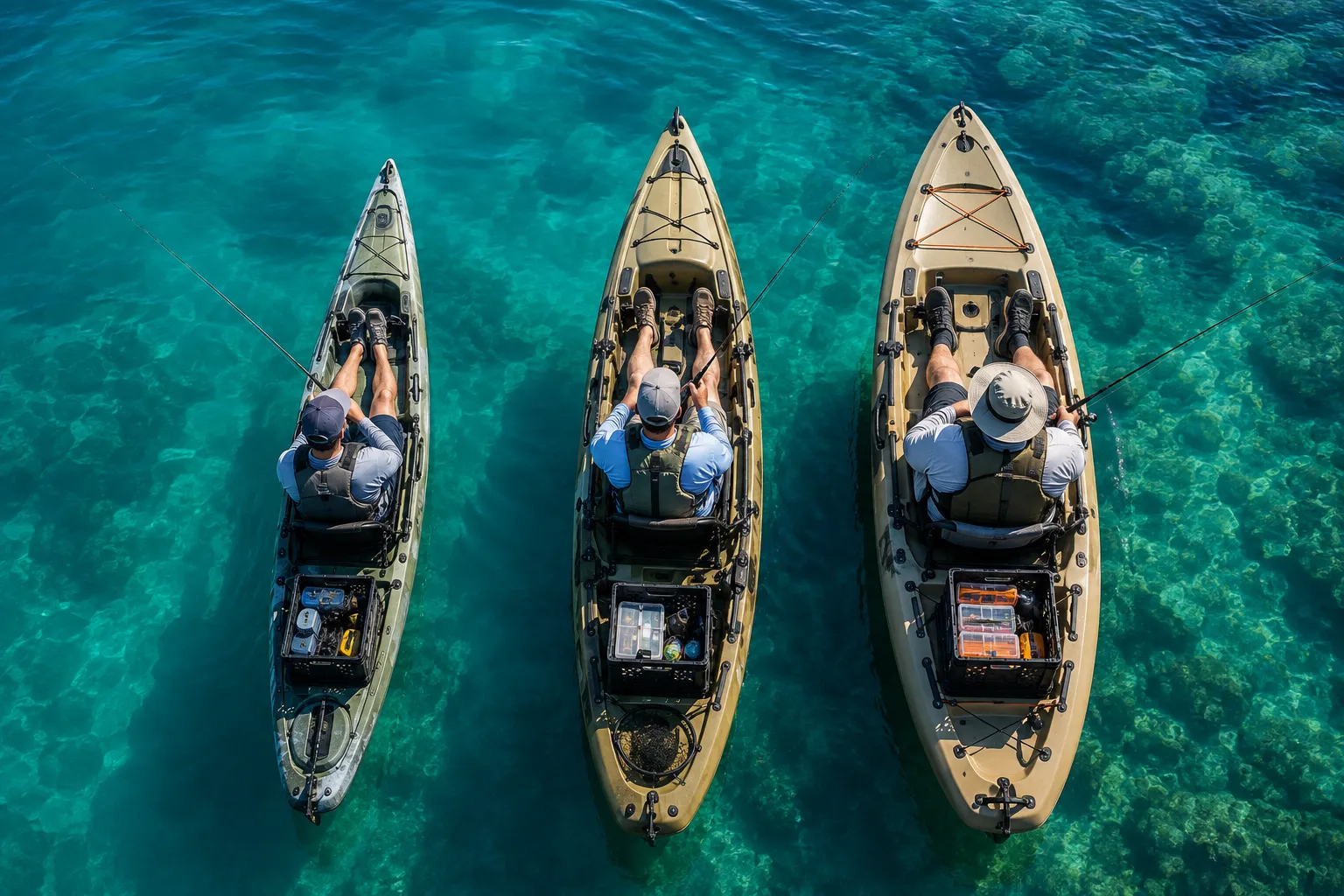
Quick Answer: Most fishing kayaks range from 28 to 36 inches wide, with 32-34 inches being the sweet spot for most anglers. Wider kayaks (34-36 inches) offer better stability for standing and are ideal for beginners or larger paddlers, while narrower models (28-30 inches) sacrifice some stability for speed and easier transport. Your ideal width depends on your fishing style, body size, water conditions, and whether you plan to stand while fishing.
Key Takeaways
- Standard fishing kayak widths range from 28 to 36 inches, with most models falling between 32-34 inches
- Wider kayaks (34+ inches) provide better stability for standing, moving around, and fighting fish but are slower and harder to paddle long distances
- Narrower kayaks (28-30 inches) are faster and easier to transport but require better balance and are less forgiving for beginners
- Beginners should start with 33-36 inch widths for confidence and safety while learning
- Heavier paddlers (200+ pounds) typically need 33+ inch widths to maintain adequate freeboard and stability
- Ocean fishing demands wider kayaks (34+ inches) to handle waves and chop safely
- A kayak can be too wide if it’s difficult to reach the water with your paddle or won’t fit your storage/transport setup
- Width affects speed more than any other dimension, with each inch of extra beam significantly reducing top speed and efficiency
- Most fishing kayaks 33 inches or narrower fit in standard truck beds (between wheel wells)
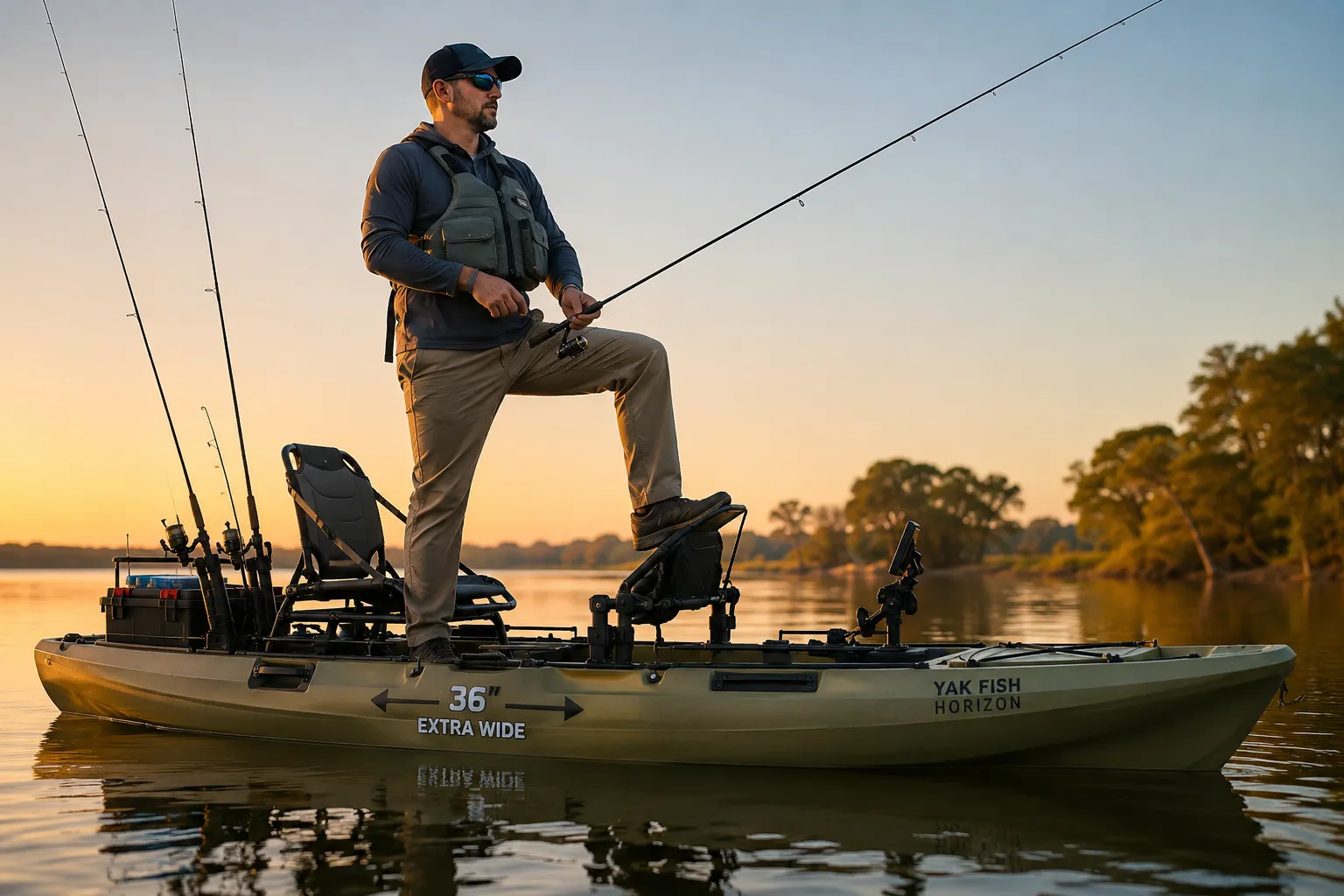
What Is the Ideal Width for a Fishing Kayak?
The ideal width for a fishing kayak is 32 to 34 inches for most anglers. This range balances stability, speed, and maneuverability well enough to satisfy the majority of fishing situations without major compromises.
A 32-34 inch kayak provides enough initial stability (resistance to tipping when you first shift your weight) to let you cast, reel, and land fish comfortably while seated. It also offers reasonable secondary stability (resistance to capsizing once the kayak starts to tip) if you need to lean over the side to net a fish or retrieve gear.
That said, the “ideal” width shifts based on several factors:
- Your experience level: Beginners benefit from an extra 1-2 inches of width for confidence
- Your size: Taller, heavier paddlers need more beam to maintain proper freeboard (the distance from waterline to deck)
- Your fishing style: Stand-up anglers need 34+ inches; sit-and-cast anglers can go narrower
- Your water type: Ocean and river current demand more width than calm lakes
- Your transport method: Narrower kayaks fit more vehicles and are easier to carry
Common mistake: Choosing width based solely on stability without considering how you’ll transport the kayak. A 36-inch kayak might feel rock-solid on the water but won’t fit between the wheel wells of your truck bed or inside your SUV.
Difference Between 28 Inch and 36 Inch Wide Fishing Kayaks
A 28-inch fishing kayak is a performance-oriented boat built for speed and distance, while a 36-inch model prioritizes maximum stability and deck space. The 8-inch difference fundamentally changes how the kayak behaves on the water.
28-30 Inch Kayaks:
- Speed: 20-30% faster than wide models with the same paddling effort
- Tracking: Cut through water more efficiently with less side-to-side wobble
- Transport: Fit easily in truck beds, on small cars, and through narrow spaces
- Weight: Typically 10-15 pounds lighter than wide equivalents
- Stability: Require good balance and core strength; tippy for beginners
- Best for: Experienced paddlers, tournament anglers covering long distances, calm water fishing
34-36 Inch Kayaks:
- Stability: Stand, walk around, and fight fish with minimal tipping risk
- Deck space: Room for multiple rod holders, tackle crates, coolers, and fish finders
- Confidence: Forgiving for beginners and less athletic paddlers
- Speed: Noticeably slower; requires more effort to maintain pace
- Transport: May not fit standard truck beds or roof racks without modifications
- Best for: Stand-up fishing, larger paddlers, rough water, beginners, anglers who prioritize gear capacity
Choose a 28-30 inch kayak if you’re an experienced paddler who fishes calm water, values speed and efficiency, and doesn’t plan to stand. Choose a 34-36 inch kayak if you’re new to kayaking, want to stand while fishing, fish in waves or current, or carry lots of gear.

High-quality Components & Floating Design: KastKing Pontus fish landing nets are built with high-quality 6063 Aluminum alloy handle and durable FBR frame for exceptional performance. The extension handle of 61in is equipped with a reinforced aluminum rib for added strength. The net is designed with floating EVA foam padding, allowing for effortless retrieval from the water while minimizing the risk of loss. Remember: hold the handle and extension pole with both hands and drag the net laterally.

PRECISION & INTEGRITY - The DoubleTake Visual Indicator features a mirrored surface and doubled gap which ensures precise fish measurement by eliminating any ambiguity, making it easier to achieve accurate tournament photos without the risk of disqualification.

UV-Protected HDPE Construction for Durability: Built with high-density polyethylene (HDPE) plastic, this kayak is both lightweight and highly durable, offering long-lasting protection against UV rays for years of use in various conditions. Paddle included.
Are Wider Kayaks More Stable for Fishing?
Yes, wider kayaks are significantly more stable for fishing. Width is the single biggest factor in a kayak’s initial stability, which is the resistance you feel when you first shift your weight to one side.
A kayak’s stability comes from its waterline beam (width at the waterline). When you lean to one side, a wider kayak displaces more water on that side, creating more buoyant force to push back against the tilt. This makes wider kayaks feel more planted and less tippy during normal fishing activities like casting, reeling, and reaching for gear.
Stability benefits of wider kayaks:
- Easier to stand up without the kayak rolling underneath you
- More forgiving when landing fish and leaning over the side
- Less fatigue because you’re not constantly bracing with your core
- Better in waves and wakes because the wider platform resists rolling
- Safer for beginners who haven’t developed paddle bracing skills
However, width isn’t the only stability factor. Hull shape matters too:
- Flat-bottom hulls (common on wide fishing kayaks) maximize initial stability but can feel “slappy” in waves
- Rounded hulls (common on narrower kayaks) have less initial stability but better secondary stability once you learn to edge the kayak
- Pontoon-style hulls (tunnel hulls) combine width with a shaped bottom for extreme stability
Edge case: A very wide kayak (36+ inches) can actually feel less stable in strong crosswinds because it catches more wind and gets pushed around. In windy conditions, a moderately wide kayak (32-34 inches) with lower profile might feel more controlled.
Best Kayak Width for Beginners Who Want to Fish
Beginners who want to fish should choose a kayak that is 33 to 36 inches wide. This width range provides enough stability to build confidence while learning basic paddling and fishing skills without feeling like you’re constantly about to tip over.
A 34-inch kayak is the sweet spot for most beginners because it offers:
- Confidence-building stability that lets you focus on fishing instead of balance
- Forgiveness for awkward movements like twisting to cast or reaching behind you
- Enough speed to cover reasonable distances without exhausting yourself
- Manageable size for most vehicles and storage spaces
Why beginners need more width:
New kayak anglers make frequent balance-disrupting movements: sudden casting motions, jerky rod movements when fighting fish, reaching for dropped items, and shifting weight to look around. A wider kayak absorbs these mistakes without immediate consequences.
As you gain experience, you develop:
- Better weight distribution (keeping your center of gravity low and centered)
- Paddle bracing skills (using your paddle blade for support)
- Anticipation (preparing for weight shifts before they happen)
- Core strength (maintaining balance with less effort)
Once you’ve built these skills over 20-30 outings, you can reassess whether you want to move to a narrower, faster kayak or stick with the stability you’ve grown to trust.
Beginner mistake: Buying a 28-30 inch kayak because an experienced friend recommends it. What works for someone with years of paddling experience will feel dangerously unstable to a first-timer. Start wide, then downsize later if speed becomes a priority.
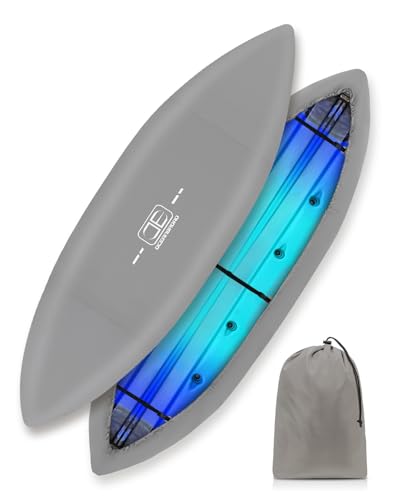
【Worry-Free in All Weather】 With UPF 50+ sun protection and water-resistant PU, this kayak cover ensures your kayak stays shielded from harsh UV rays and rainy days, providing reliable protection in all weather conditions.
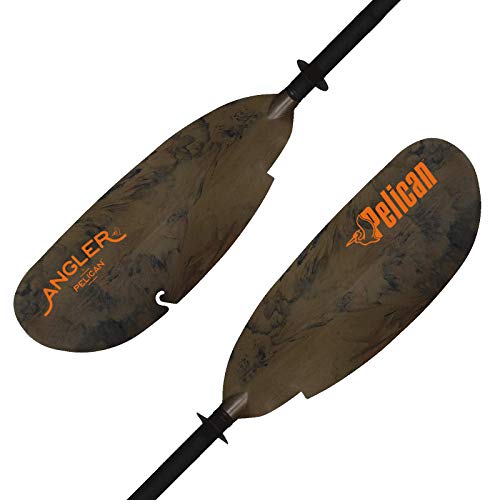
Longer reach:This high-quality paddle is extra long and sized to fit modern fishing kayaks over 34" wide.

【Worry-Free in All Weather】 With UPF 50+ sun protection and water-resistant PU, this kayak cover ensures your kayak stays shielded from harsh UV rays and rainy days, providing reliable protection in all weather conditions.
Narrow vs Wide Fishing Kayak Pros and Cons
Understanding the trade-offs between narrow and wide fishing kayaks helps you choose based on your priorities rather than marketing claims.
Narrow Fishing Kayaks (28-31 inches):
Pros:
- Faster paddling speed with less effort required to maintain pace
- Better tracking in wind and current with less weathercocking (turning into the wind)
- Easier to transport in truck beds, on small cars, and through doorways
- Lighter weight makes solo loading and carrying more manageable
- More efficient for covering long distances to fishing spots
- Fits standard kayak racks without modifications
Cons:
- Tippy feeling that requires constant balance awareness
- Difficult to stand safely, limiting sight-fishing opportunities
- Less deck space for gear, electronics, and tackle storage
- More fatiguing because you’re always engaging core muscles
- Scary for beginners which can ruin the fishing experience
- Harder to land big fish when you can’t move around freely
Wide Fishing Kayaks (33-36 inches):
Pros:
- Rock-solid stability for standing, casting, and fighting fish
- Beginner-friendly with a forgiving platform
- More deck space for rod holders, tackle, coolers, and fish finders
- Comfortable for long sessions because you’re not constantly balancing
- Better in rough water with more resistance to rolling
- Safer overall with lower capsize risk
Cons:
- Slower paddling speed requires more effort to cover distance
- Harder to transport may not fit truck beds or standard racks
- Heavier makes solo loading and carrying more difficult
- More wind resistance gets pushed around in crosswinds
- Less efficient burns more energy on long paddles
- Harder to paddle in narrow creeks or through tight spaces
Decision rule: Choose narrow (28-31 inches) if you’re an experienced paddler who fishes calm water, values speed, and doesn’t need to stand. Choose wide (33-36 inches) if you’re new to kayaking, want to stand, fish rough water, or prioritize comfort over speed. Choose medium (31-33 inches) if you want a balanced compromise.

Float don't Sink: Get ready to set sail! Our kayak outrigger stabilizer provides more stability and makes you feel safe. Whether you're kayaking, canoeing, boating, or fishing, it is here to let you enjoy more stability and freedom during all water sports. Only for kayaks or boats with holes.

Quick-dry water shoes made of waterproof fabric, flexible and breathable

Folding Grapnel Boat Anchor: Perfect for small boats, kayaks, canoes, dinghies, paddle boards, and more. Whether you're anchoring for SUP yoga, jet skiing, or kayak fishing, this versatile anchor ensures stability and reliability on the water.
How Wide Should a Kayak Be for Standing and Fishing?
A kayak should be at least 34 inches wide for safe standing and fishing. Most anglers feel confident standing in kayaks that are 34-36 inches wide, while narrower models require exceptional balance and experience.
Standing in a kayak shifts your center of gravity much higher, making the boat feel significantly less stable than when seated. The extra width compensates for this height increase by providing more resistance to tipping.
Width recommendations for standing:
- 34 inches: Minimum for most anglers to stand with confidence; requires some practice and good balance
- 35 inches: Comfortable for most people; allows movement while standing
- 36+ inches: Maximum stability; can walk around and cast aggressively
Other factors that affect standing stability:
- Hull shape: Flat-bottom or pontoon-style hulls are more stable than rounded hulls
- Deck height: Lower decks keep your center of gravity closer to the water
- Your height and weight: Taller, heavier anglers need more width
- Water conditions: Calm lakes require less width than choppy ocean water
- Standing platform: Some kayaks have textured standing areas that improve grip
Standing technique matters: Even in a 36-inch kayak, you’ll tip if you stand with your feet together or lock your knees. Proper standing technique includes:
- Wide stance with feet shoulder-width or wider
- Bent knees to absorb movement and maintain balance
- Weight centered over the midline of the kayak
- Gradual movements without sudden shifts
Common mistake: Assuming a wide kayak automatically means you can stand safely without practice. Even in a stable platform, you should practice standing in shallow water near shore before trying it in deep water or while fishing.
What Width Kayak Is Too Wide for Fishing?
A fishing kayak becomes too wide when it exceeds 38 inches for most anglers, or when the width creates more problems than it solves for your specific situation. While extreme width maximizes stability, it introduces practical limitations that can outweigh the benefits.
Problems with excessively wide kayaks:
Paddle reach issues: If the kayak is so wide that you can’t comfortably reach the water with your paddle blade without leaning far to the side, you’ll develop poor paddling form and shoulder strain. Most paddlers with standard 230-240cm paddles struggle with kayaks wider than 36 inches.
Transport limitations: Kayaks wider than 33 inches often don’t fit between truck bed wheel wells (typically 48-50 inches apart, leaving 24-25 inches per side). Kayaks wider than 36 inches may not fit on standard roof racks or through garage doors.
Storage challenges: Wide kayaks take up significantly more space in garages, sheds, and storage areas. A 38-inch kayak requires 50% more floor space than a 28-inch model.
Speed penalty: Every inch of width beyond 32 inches noticeably reduces paddling speed and efficiency. A 38-inch kayak might be 40-50% slower than a 30-inch kayak with the same paddling effort.
Maneuverability: Very wide kayaks are harder to turn and maneuver in tight spaces like narrow creeks, around docks, or through vegetation.
Wind resistance: Wider kayaks catch more wind and get blown around more easily, making them harder to control in windy conditions.
When width is too much for you specifically:
- You can’t reach the water comfortably with your paddle
- The kayak won’t fit your vehicle or storage space
- You’re paddling long distances and the speed penalty is exhausting
- You’re fishing narrow creeks where maneuverability matters
- You’re an experienced paddler who doesn’t need maximum stability
Decision rule: Choose the narrowest kayak that still provides adequate stability for your skill level and fishing style. More width is better only up to the point where it solves your stability needs without creating new problems.
Can a Kayak Be Too Stable If It’s Too Wide?
Yes, a kayak can be too stable if it’s too wide for your paddling style and fishing conditions. While excessive stability is rarely dangerous, it can reduce performance and create a less responsive, less enjoyable fishing platform.
Problems with excessive stability:
Reduced responsiveness: Very stable, wide kayaks don’t respond quickly to paddle strokes or weight shifts. This makes them feel sluggish and unresponsive, especially when you’re trying to make quick position adjustments while fishing.
Poor edging ability: Experienced paddlers use “edging” (tilting the kayak on its side) to make tight turns and carve through water efficiently. Extremely stable kayaks resist edging, making them harder to turn precisely.
Less feedback: A moderately stable kayak gives you feedback about water conditions, wind, and current through subtle movements. An overly stable kayak feels dead and disconnected, providing less information about your environment.
Inefficient in waves: In ocean conditions, a moderately stable kayak that can roll slightly with waves often feels more comfortable than an extremely stable kayak that fights every wave and creates a jarring, slappy ride.
False confidence: Excessive stability can create overconfidence that leads to poor decisions, like venturing into conditions beyond your skill level because the kayak feels so stable in calm water.
When moderate stability is better:
- Experienced paddlers who want a responsive, performance-oriented platform
- Rough water fishing where some roll with the waves is more comfortable
- Long-distance paddling where efficiency matters more than maximum stability
- Tight-space fishing where quick turns and precise positioning are important
The stability sweet spot: Most experienced kayak anglers prefer a kayak that feels stable enough to fish confidently but still provides feedback and responds to paddle input. This typically means 31-34 inches of width rather than 36+ inches.
Fishing Kayak Width for Ocean vs Lake
Ocean fishing requires 34 to 36 inches of width for most anglers, while lake fishing can be done safely in 30 to 34 inches depending on your experience level. The difference comes down to wave action, wind exposure, and the consequences of capsizing.
Ocean fishing width requirements:
Ocean conditions demand extra stability because:
- Waves and swells constantly rock the kayak, requiring more initial stability to resist rolling
- Boat wakes from passing vessels can hit suddenly and forcefully
- Wind and chop are typically stronger than on protected lakes
- Consequences of capsizing are more serious in deep, cold, or current-prone water
- Distance from shore means you need confidence in your platform’s stability
Recommended ocean widths:
- 34 inches minimum for experienced ocean paddlers in calm conditions
- 35-36 inches for most anglers fishing inshore waters
- 36+ inches for beginners, rough conditions, or offshore fishing
Lake fishing width requirements:
Protected lakes allow narrower kayaks because:
- Calmer water with smaller waves and less chop
- Closer to shore makes capsizing less dangerous
- Less wind exposure in many lake environments
- Warmer water (typically) makes accidental swims less serious
Recommended lake widths:
- 30-32 inches for experienced paddlers on calm lakes
- 32-34 inches for most recreational lake anglers
- 34-36 inches for beginners or those who want to stand
River and current considerations:
Rivers with current fall somewhere between lakes and ocean in terms of width requirements. Moving water can push you around and create unpredictable conditions, but you’re typically close to shore. A 32-34 inch kayak works well for most river fishing.
Common mistake: Using a narrow, lake-oriented kayak in the ocean because it worked fine on calm inland water. Ocean conditions are fundamentally different and demand the extra stability margin that width provides.
Do Heavier People Need Wider Fishing Kayaks?
Yes, heavier people typically need wider fishing kayaks to maintain adequate freeboard (the distance from the waterline to the deck) and stability. As a general rule, paddlers over 200 pounds should choose kayaks 33 inches or wider, while those over 250 pounds benefit from 34-36 inch widths.
Weight affects kayak performance in two critical ways:
Freeboard reduction: When a heavier paddler sits in a kayak, the boat sinks deeper into the water. If the kayak is too narrow for the paddler’s weight, it may sink so deep that waves wash over the deck or the kayak feels unstable because there’s not enough buoyant volume above the waterline.
Stability changes: A kayak’s stability depends on having adequate width relative to the weight it’s carrying. A 200-pound paddler in a 28-inch kayak will feel much less stable than a 150-pound paddler in the same boat because the heavier paddler sinks the kayak deeper, reducing the effective waterline beam.
Width recommendations by weight:
- Under 150 pounds: 28-32 inches (can use narrower kayaks comfortably)
- 150-200 pounds: 30-34 inches (standard range works well)
- 200-250 pounds: 33-36 inches (need extra width for freeboard)
- Over 250 pounds: 34-36+ inches (maximum width for adequate performance)
Other factors for heavier paddlers:
- Weight capacity: Choose a kayak with a capacity rating at least 100 pounds above your total loaded weight (your weight plus gear)
- Hull volume: Higher-volume hulls maintain better freeboard with heavier loads
- Seat position: Lower seats help keep the center of gravity down, improving stability
Don’t forget gear weight: When calculating your total weight, include fishing gear, tackle, coolers, anchors, and any other equipment you’ll carry. A 200-pound paddler with 50 pounds of gear needs a kayak sized for 250 pounds total.
Common mistake: Focusing only on the manufacturer’s weight capacity rating without considering how the kayak actually performs at that weight. A kayak rated for 350 pounds might technically float a 250-pound paddler, but it may sit too low in the water to perform well. Look for kayaks where your loaded weight is in the middle of the capacity range, not at the top.
Common Mistakes When Choosing Fishing Kayak Width
Anglers frequently make predictable mistakes when selecting kayak width, often because they prioritize the wrong factors or don’t understand the trade-offs involved.
Mistake 1: Choosing width based on stability alone
Many buyers focus exclusively on stability without considering transport, storage, and paddling efficiency. A 36-inch kayak might feel rock-solid on the water but won’t fit in your truck bed or garage, making it useless if you can’t get it to the water.
Solution: Make a list of your requirements in order of importance: stability, transport method, storage space, paddling distance, fishing style. Choose the narrowest kayak that satisfies all your top requirements.
Mistake 2: Buying too narrow because an experienced friend recommends it
Experienced paddlers often recommend their preferred kayak width without accounting for the skill gap. A 29-inch kayak that works perfectly for someone with five years of experience will feel terrifying to a beginner.
Solution: Add 2-4 inches to whatever width an experienced paddler recommends if you’re new to kayaking. You can always downsize later.
Mistake 3: Ignoring transport limitations
Buyers fall in love with a kayak at the dealer without measuring their vehicle or considering how they’ll transport it. A kayak that doesn’t fit your truck bed or roof rack is a very expensive lawn ornament.
Solution: Measure your truck bed width (between wheel wells), roof rack width, and garage door width before shopping. Bring these measurements to the dealer.
Mistake 4: Assuming wider is always better
Some anglers think “more stability = better kayak” without considering the speed and efficiency penalties. If you’re paddling 3-4 miles to your fishing spot, the extra width that felt great in the showroom will exhaust you on the water.
Solution: Honestly assess how far you’ll paddle on a typical trip. If it’s more than 2 miles one-way, prioritize efficiency over maximum stability.
Mistake 5: Not testing before buying
Width feels different on the water than in the showroom. A kayak that seems stable while sitting still might feel tippy when you’re casting, and a kayak that seems narrow might feel perfectly adequate once you’re actually fishing.
Solution: Rent or demo kayaks in different widths before buying. Many dealers offer demo days or rental programs. Two hours on the water is worth more than two days of online research.
Mistake 6: Forgetting about wind
Very wide kayaks catch more wind and get blown around more than moderately wide kayaks. If you fish in consistently windy conditions, a 34-inch kayak might be more controllable than a 36-inch model.
Solution: Consider typical wind conditions in your fishing areas. If wind is a constant factor, choose moderate width (32-34 inches) over maximum width.
How Does Kayak Width Affect Speed and Tracking?
Kayak width is the single most important factor affecting paddling speed, with each additional inch of beam significantly reducing top speed and efficiency. Width also affects tracking (the kayak’s tendency to travel in a straight line), though length and hull shape play larger roles in tracking performance.
Width and speed:
Wider kayaks are slower because they push more water out of the way as they move forward. This creates more drag (resistance), requiring more paddling effort to maintain the same speed as a narrower kayak.
Approximate speed differences:
- A 28-inch kayak might cruise comfortably at 3.5-4 mph
- A 32-inch kayak might cruise at 3-3.5 mph
- A 36-inch kayak might cruise at 2.5-3 mph
These differences compound over distance. On a 3-mile paddle, the narrow kayak might arrive 15-20 minutes before the wide kayak with the same paddling effort.
Why width creates drag:
When a kayak moves through water, it creates a “bow wave” at the front and a wake behind. Wider kayaks create larger bow waves and wakes, which represent energy lost to moving water instead of propelling the kayak forward. The relationship isn’t linear, each additional inch of width creates proportionally more drag than the previous inch.
Width and tracking:
Tracking is the kayak’s tendency to travel straight without constant corrective paddle strokes. Width affects tracking in two ways:
Positive effect: Wider kayaks have more surface area in contact with the water, which can help them resist being pushed off course by wind and current.
Negative effect: Wider kayaks have more surface area for wind to push against above the waterline, making them more susceptible to “weathercocking” (turning into the wind).
Length matters more: A long, narrow kayak (14 feet x 29 inches) will track better than a short, wide kayak (10 feet x 34 inches) because length is the dominant factor in tracking performance.
Trade-off summary:
- Narrow kayaks (28-30 inches): Fast and efficient but less stable
- Medium kayaks (31-33 inches): Balanced speed and stability
- Wide kayaks (34-36 inches): Maximum stability but noticeably slower
Decision rule: If you regularly paddle more than 2 miles to reach fishing spots, prioritize a narrower kayak (30-32 inches) to reduce fatigue. If you fish close to the launch and rarely paddle more than a mile, the speed penalty of a wider kayak (34-36 inches) won’t significantly impact your experience.
What Width Fishing Kayak Fits in a Truck Bed?
Fishing kayaks 33 inches wide or narrower typically fit between the wheel wells of a standard full-size truck bed, while kayaks 34 inches or wider usually require diagonal placement or a truck bed extender.
Standard truck bed dimensions:
Most full-size trucks (Ford F-150, Chevy Silverado, Ram 1500) have wheel wells spaced approximately 48-50 inches apart, leaving about 48 inches of usable width between them. However, the actual flat space between the wheel wells is typically only 48-52 inches, which means:
- Kayaks 33 inches or narrower: Fit straight between the wheel wells with a few inches of clearance on each side
- Kayaks 34-36 inches: May fit diagonally in longer beds (6.5-8 feet) but not straight
- Kayaks 37+ inches: Require the tailgate down and a bed extender, or roof racks
Bed length matters:
- Short beds (5.5-6 feet): Can fit kayaks up to about 32 inches wide straight, or up to 34 inches diagonally
- Standard beds (6.5 feet): Can fit kayaks up to 33 inches wide straight, or up to 36 inches diagonally
- Long beds (8 feet): Can fit kayaks up to 33 inches wide straight, or up to 38 inches diagonally with tailgate down
Measuring your truck:
Before buying a kayak, measure:
- Width between wheel wells at the narrowest point
- Bed length from the back of the cab to the tailgate
- Diagonal distance from front corner to opposite rear corner (with tailgate down if needed)
Transport alternatives for wide kayaks:
If your kayak is too wide for your truck bed:
- Roof racks: Can accommodate any width kayak, though loading is harder
- Truck bed extender: Allows the kayak to hang over the tailgate safely
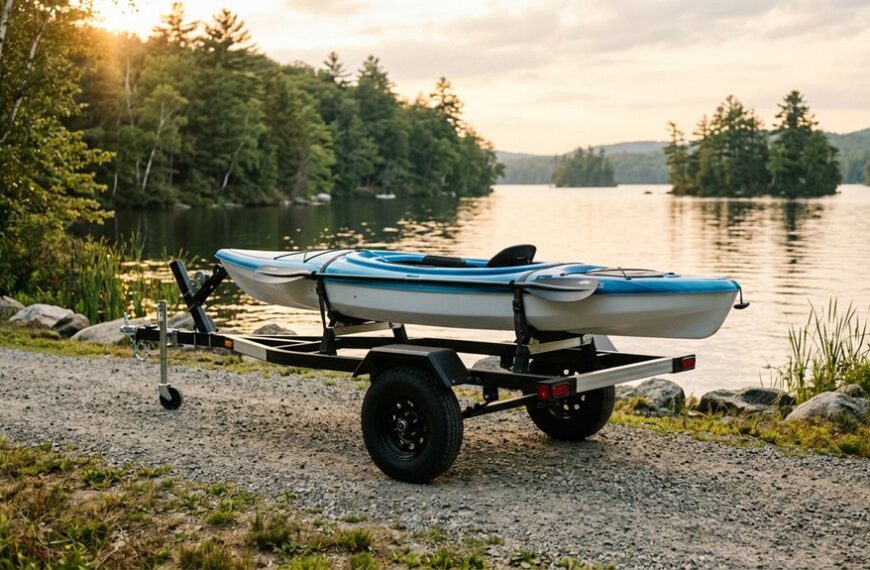
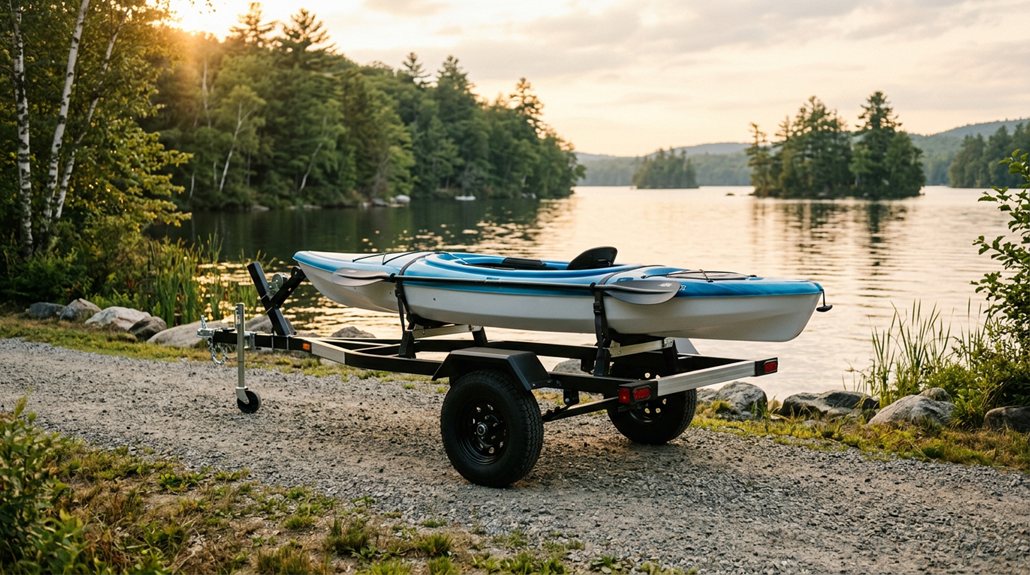
- Trailer: Best option for multiple kayaks or very wide models
- Diagonal placement: Works for kayaks up to about 36 inches in longer beds
Common mistake: Assuming a kayak will fit because it’s shorter than your bed length, without considering width between the wheel wells. A 10-foot kayak that’s 36 inches wide won’t fit in a 6.5-foot bed if it can’t clear the wheel wells.
FAQ
What is the most popular fishing kayak width?
The most popular fishing kayak width is 32-34 inches, which balances stability, speed, and transport convenience for the majority of anglers. This width range provides enough stability for most fishing activities while remaining manageable for solo loading and fitting most vehicles.
Is a 30-inch kayak wide enough for fishing?
A 30-inch kayak is wide enough for fishing if you’re an experienced paddler who fishes calm water and doesn’t need to stand. It provides adequate stability for seated fishing while offering better speed and efficiency than wider models, but beginners will find it tippy and uncomfortable.
Can you stand in a 32-inch fishing kayak?
You can stand in a 32-inch fishing kayak if you have good balance and experience, but it requires practice and proper technique. Most anglers feel more confident standing in kayaks 34 inches or wider, which provide a more stable platform with less risk of capsizing.
How wide is too wide for a kayak?
A kayak is too wide when it exceeds 38 inches for most anglers, or when the width prevents you from reaching the water comfortably with your paddle, fitting your vehicle, or storing it properly. The practical upper limit for most paddlers is 36 inches.
Do I need a wider kayak if I’m tall?
Tall paddlers don’t necessarily need wider kayaks, but they do need kayaks with higher weight capacity and adequate leg room. Height raises your center of gravity, which can make stability more challenging, so taller anglers often benefit from an extra 1-2 inches of width compared to shorter paddlers of the same weight.
What width kayak is best for bass fishing?
The best width for bass fishing is 32-34 inches, which provides enough stability for casting and fighting fish while maintaining reasonable speed for covering water. Bass anglers who prefer standing to sight-fish should choose 34-36 inches for added confidence.
Will a 34-inch kayak fit on my car roof rack?
A 34-inch kayak will fit on most car roof racks, which typically accommodate kayaks up to 36 inches wide. However, you should verify your specific rack’s width capacity and ensure you have proper kayak carriers (J-cradles or saddles) rated for the kayak’s weight.
How does kayak width affect stability in wind?
Wider kayaks catch more wind and can be harder to control in windy conditions because they present more surface area above the waterline. While they’re more stable in waves, they’re also more likely to get blown off course, so moderate width (32-34 inches) often performs better in consistently windy conditions than maximum width (36+ inches).
Is a 36-inch kayak too wide for a beginner?
A 36-inch kayak is not too wide for a beginner and actually provides excellent stability for learning. The main considerations are whether it fits your vehicle and storage space, and whether you’re willing to accept slower paddling speed in exchange for maximum stability.
Can a fishing kayak be too stable?
A fishing kayak can be too stable if the excessive width makes it unresponsive, difficult to turn, inefficient to paddle, or impractical to transport. While stability is important, there’s a point of diminishing returns where additional width creates more problems than it solves.
What width kayak do professional tournament anglers use?
Professional tournament anglers typically use kayaks 30-33 inches wide because they prioritize speed and efficiency for covering large areas of water. These anglers have the skill and experience to handle narrower, less stable platforms in exchange for the competitive advantage of reaching fishing spots faster.
How much does kayak width affect paddling effort?
Kayak width significantly affects paddling effort, with each additional inch of beam requiring noticeably more energy to maintain the same speed. A 36-inch kayak might require 30-40% more paddling effort than a 28-inch kayak to cover the same distance at the same speed.
Conclusion
Choosing the right fishing kayak width is one of the most important decisions you’ll make when buying a kayak. For most anglers, a width of 32-34 inches provides the best balance of stability, speed, and practicality. Beginners, larger paddlers, and those who want to stand should lean toward 34-36 inches for added confidence and safety. Experienced paddlers who prioritize speed and efficiency can consider narrower options in the 28-31 inch range.
Remember that width is just one factor in overall kayak performance. Hull shape, length, weight capacity, and your own skill level all play important roles in how a kayak handles on the water. Before making a final decision, measure your vehicle and storage space to ensure the kayak you choose will actually fit your lifestyle.
The best way to find your ideal width is to test paddle several kayaks in different width ranges. Many dealers offer demo programs, and rental shops let you try before you buy. Two hours on the water will tell you more about what width works for you than any amount of online research.
Next steps:
- Measure your transport and storage constraints before shopping
- Assess your skill level honestly and add 2-4 inches if you’re a beginner
- Consider your typical fishing conditions (calm lakes vs ocean vs rivers)
- Demo at least three kayaks in different width ranges
- Choose the narrowest kayak that still provides adequate stability for your needs
The right width fishing kayak will make every trip more enjoyable, safer, and more productive. Take the time to choose wisely, and you’ll have a platform that serves you well for years of fishing adventures.