Dehydration causes more kayak fishing trips to end early than bad weather or poor fish activity combined. A solid hydration and food strategy for long kayak sessions keeps your energy steady, your focus sharp, and your body performing at its best when you’re miles from shore chasing that trophy catch.
Key Takeaways
- Drink 8-10 ounces of water every hour while paddling, increasing to 12-16 ounces in hot weather or saltwater environments
- Eat small snacks every 90-120 minutes to maintain stable blood sugar and prevent energy crashes
- Electrolyte drinks outperform plain water for sessions longer than 3 hours due to sodium and mineral loss through sweating
- Waterproof dry bags and insulated coolers are essential for keeping food fresh and preventing spoilage in hot conditions
- Early signs of dehydration include dark urine, headache, and reduced paddling performance—address them immediately
- Non-perishable, high-energy foods like trail mix, energy bars, and jerky work best for all-day kayak fishing trips
- Overhydration (hyponatremia) is rare but possible—balance water intake with electrolyte consumption on extremely long sessions
How Much Water Should You Drink Per Hour While Kayaking?
Drink 8-10 ounces of water every hour during moderate paddling conditions, increasing to 12-16 ounces per hour in hot weather, intense paddling, or saltwater environments. Your actual needs depend on air temperature, humidity, exertion level, and your body size.
A 200-pound angler paddling in 85°F heat will need significantly more water than a 150-pound paddler on a cool spring morning. Start with the baseline of 8-10 ounces per hour and adjust based on these factors:
- Temperature above 80°F: Add 4-6 ounces per hour
- High humidity (above 70%): Add 2-4 ounces per hour
- Active paddling vs. drifting: Add 4 ounces during continuous paddling
- Saltwater exposure: Add 2-4 ounces due to increased sun reflection and heat
Set a timer on your phone or watch to remind yourself to drink. Most fishing kayak anglers get so focused on the fish that they forget to hydrate until symptoms appear.
Common mistake: Waiting until you feel thirsty. By the time thirst kicks in, you’re already mildly dehydrated and your performance has dropped.
Best Snacks to Bring on a 6-Hour Kayak Trip
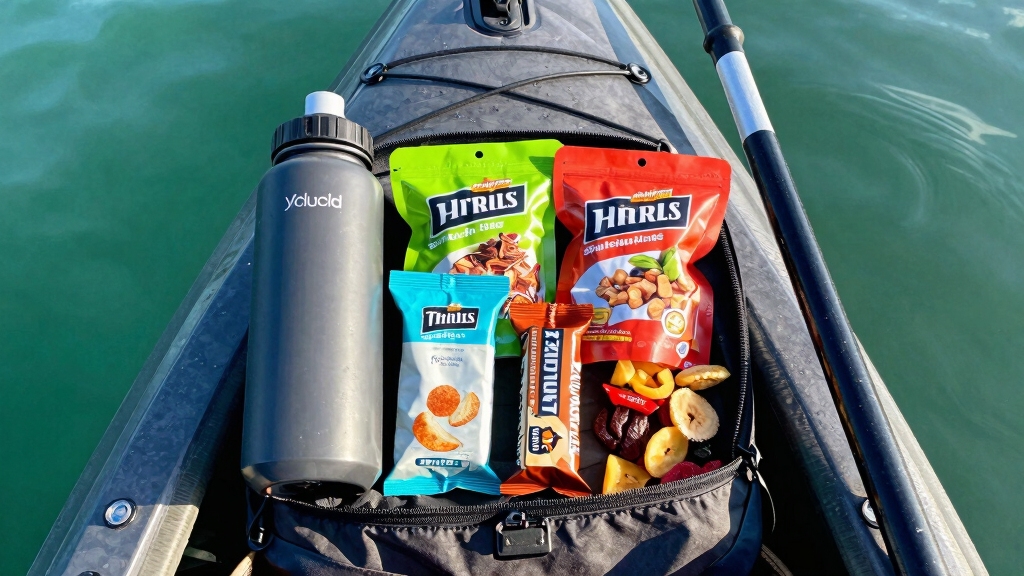
Pack high-energy, non-perishable snacks that provide a mix of carbohydrates, protein, and healthy fats. Trail mix, energy bars, beef jerky, nut butter packets, dried fruit, and whole grain crackers deliver sustained energy without requiring refrigeration.
For a 6-hour trip, bring approximately 600-800 calories worth of snacks, divided into 4-5 small portions you’ll eat every 90 minutes. This approach prevents the energy crashes that come from eating one large meal.
Top snack choices for kayak fishing:
- Trail mix (nuts, seeds, dried fruit, dark chocolate chips) – 150-200 calories per serving
- Protein bars with at least 10g protein and under 15g sugar
- Beef or turkey jerky – lightweight, high protein, doesn’t spoil
- Nut butter packets (almond, peanut) paired with whole grain crackers
- Dried mango or banana chips – quick carbs for energy bursts
- String cheese (if kept in a cooler with ice packs)
- Hard-boiled eggs (pre-peeled, stored cold)
Avoid chips and pretzels as your primary snacks—they’re mostly empty carbs that spike blood sugar then crash. Choose foods with protein and fat to keep energy stable.
Edge case: If you’re prone to seasickness or paddling in choppy water, stick with bland, easily digestible options like crackers and bananas. Save the jerky and rich trail mix for calmer conditions.
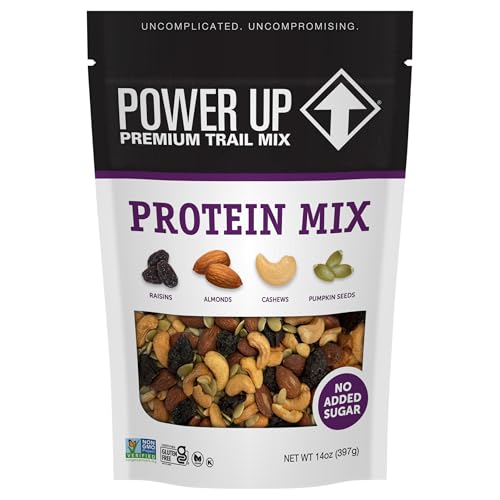
In the mix: Almonds, Cashews, Raisins and Pumpkin Seeds
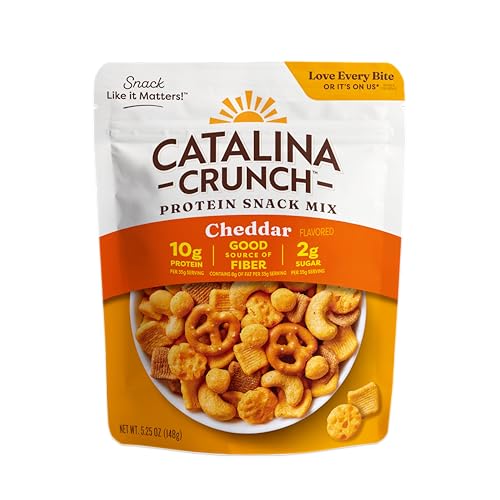
PROTEIN SNACK MIX WITH ALL THE FLAVOR: Looking for savory snacks for adults and kids? Catalina Crunch Snack Mix has you covered, delivering big taste and a smarter way to snack! With 10g of Protein per serving, it’s a deliciously, satisfying alternative!

PROTEIN SNACK MIX WITH ALL THE FLAVOR: Looking for savory snacks for adults and kids? Catalina Crunch Snack Mix has you covered, delivering big taste and a smarter way to snack! With 10g of Protein per serving, it’s a deliciously, satisfying alternative!
Hydration Pack vs Water Bottles for Kayaking
Hydration packs with drinking tubes offer hands-free access and are ideal for active paddling, while water bottles are more versatile, easier to refill, and better for tracking intake. Most experienced kayak anglers use a combination: a hydration bladder for easy sipping while paddling and bottles for electrolyte drinks and backup water.
Hydration pack advantages:
- Hands-free drinking without stopping to paddle
- Insulated models keep water cool for 4-6 hours
- Tube stays accessible even when gear is piled around you
- Typically hold 2-3 liters (68-100 ounces)
Water bottle advantages:
- Easy to see how much you’ve consumed
- Simple to refill at launch sites or from larger containers
- Can freeze bottles overnight to use as ice packs that become drinking water
- No cleaning tubes or fighting mold growth
- Mix different beverages (water, electrolytes, etc.)
For kayak fishing sessions longer than 4 hours, mount a hydration bladder on your seat back and secure two 32-ounce bottles in rod holders or cup holders. This gives you approximately 1.5 gallons of total capacity—enough for a full day with one refill.
Choose a hydration pack if: You’re actively paddling most of the day, fishing rivers with current, or need both hands free constantly.
Choose water bottles if: You’re mostly anchored and casting, want to track exact intake, or fish in areas where refills are readily available.

Durable Hydration Bladder for Hiking & Outdoor Use – Built with BPA-free, taste-free TPU material, this water reservoir for hiking backpack is rugged, leakproof, and resistant to wear and tear.

Removable hose for easy cleaning

Large opening for easy cleaning: CHERAINTI 2l hydration bladder has one of large opening, and the big opening makes for easy pouring of water; it is also fairly wide for a hand or bottle brush easily access to the interior water bladder for hiking backpack; the screw on cap goes on and off easily; for cold water, simply add ice cubes directly from a scoop or refrigerator ice dispenser; the smooth inner of water reservoir promotes health and is easy to clean
What Happens If You Get Dehydrated While Kayaking
Dehydration while kayaking causes decreased paddling strength, impaired judgment, muscle cramps, dizziness, and in severe cases, heat exhaustion or heat stroke. Even mild dehydration (2% body water loss) reduces physical performance by 10-20% and significantly increases injury risk.
The progression typically follows this pattern:
Mild dehydration (1-2% body water loss):
- Increased thirst
- Darker yellow urine
- Slight fatigue
- Reduced paddling efficiency
Moderate dehydration (3-5% loss):
- Headache
- Muscle cramps, especially in arms and legs
- Difficulty concentrating on fishing or navigation
- Irritability
- Reduced coordination
Severe dehydration (6%+ loss):
- Extreme weakness
- Confusion and poor decision-making
- Rapid heartbeat
- Dizziness or fainting
- Risk of heat stroke in hot conditions
The danger multiplies on the water because you can’t simply stop and rest—you still need to paddle back to shore. A kayaker who becomes severely dehydrated 3 miles from the launch faces a genuine emergency.
Immediate action if dehydration symptoms appear: Stop fishing, find shade if possible, drink 16-20 ounces of water or electrolyte drink immediately, then continue sipping 8 ounces every 15 minutes. If symptoms don’t improve within 30 minutes, head back to shore.
How to Keep Food Cold in a Kayak All Day
Use a high-quality soft-sided cooler bag designed for kayaking, pre-chill it overnight, pack frozen water bottles as ice packs, and store the cooler in a shaded area of your kayak away from direct sun exposure. This combination keeps perishable food safe for 6-8 hours in moderate temperatures.
Step-by-step cold food storage:
- Pre-freeze water bottles the night before—they act as ice packs and become drinking water as they melt
- Pre-chill your cooler by storing it in a refrigerator or with ice overnight
- Pack food cold—never put room-temperature items in a cooler expecting them to cool down
- Layer strategically—frozen bottles on bottom, perishables in middle, less sensitive items on top
- Minimize air space—fill gaps with additional frozen bottles or ice packs
- Store in kayak’s front hatch or under bungees where it’s shaded and protected from sun
- Keep cooler closed—only open when retrieving food, then seal immediately
Best cooler options for fishing kayaks:
- Soft-sided coolers (12-20 quart size) fit better in kayak storage wells
- Insulated lunch bags with thick foam walls (at least 1 inch)
- Waterproof dry bags with insulated liners
- Small hard coolers (if your stable kayak has dedicated cooler space)
Temperature rule: Food must stay below 40°F to remain safe. If your cooler feels warm to the touch after 4 hours, eat perishable items immediately or discard them.

FAST ZIPPERLESS ACCESS – Patented Zipperless flip-open lid provides quick, hassle-free access to food and drinks without dealing with stuck or broken zippers.

Ultra-Large Capacity, Lightweight Build:Only 1.8 lbs! Holds 75 cans + 2-4 ice packs for long cold retention. Fits food, fruits, beers, meats & seafood—ideal for camping, hiking, picnics & BBQs, carrying all family picnic needs

25L Large Capacity Cooler Bag - Holds up to 30 cans (12oz) plus snacks, featuring removable dividers for flexible storage. Includes multiple compartments: top waterproof zippered pocket for phones, front mesh pocket for sunglasses/keys, and inner transparent pocket for quick access.
Electrolyte Drinks vs Plain Water for Long Paddling Sessions
Electrolyte drinks are superior to plain water for kayaking sessions longer than 3 hours because they replace sodium, potassium, and magnesium lost through sweat, preventing hyponatremia and maintaining muscle function. For shorter sessions under 2 hours, plain water is sufficient.
When you sweat during extended paddling, you lose more than just water—you lose critical minerals that regulate muscle contractions, nerve signals, and fluid balance. Drinking only plain water dilutes your remaining electrolytes, potentially causing cramping or, in extreme cases, dangerous sodium imbalance.
When to choose electrolyte drinks:
- Paddling sessions over 3 hours
- Hot weather (above 75°F) with significant sweating
- High-intensity paddling or fishing in current
- Saltwater kayak fishing with increased sun exposure
- Multi-day kayak camping trips
When plain water is fine:
- Short trips under 2 hours
- Cool weather with minimal sweating
- Mostly stationary fishing with little paddling
- When you’re eating salty snacks that provide sodium
Electrolyte drink options:
- Sports drinks (Gatorade, Powerade) – convenient but high in sugar
- Electrolyte tablets (Nuun, GU) – dissolve in water, low calorie, easy to pack
- Electrolyte powder packets – customizable concentration, lightweight
- Coconut water – natural electrolytes, moderate sugar
Optimal strategy: Alternate between plain water and electrolyte drinks. Drink 8 ounces of water, then 8 ounces of electrolyte drink, repeating throughout the day. This provides hydration plus mineral replacement without excessive sugar intake.
Foods That Won’t Spoil in Hot Weather During Kayaking
Non-perishable, heat-stable foods include trail mix, energy bars, beef jerky, nut butter packets, dried fruit, whole grain crackers, tuna pouches, and hard candies. These items remain safe and palatable even after 8+ hours in temperatures up to 90°F.
The key is choosing foods with low moisture content and natural preservatives. Bacteria need moisture to grow, so dry foods stay safe longer.
Heat-proof food list:
- Nuts and seeds – almonds, cashews, pumpkin seeds, sunflower seeds
- Dried fruit – raisins, apricots, mango, banana chips
- Jerky – beef, turkey, salmon (vacuum-sealed)
- Energy/protein bars – check labels for “no refrigeration required”
- Nut butter packets – single-serve, shelf-stable
- Whole grain crackers – pair with shelf-stable cheese or tuna
- Tuna/salmon pouches – foil pouches, not cans (lighter and safer)
- Tortillas – more heat-stable than bread
- Dark chocolate – melts but remains safe (store in cooler if texture matters)
Foods to avoid in hot weather:
- Fresh sandwiches with mayo or deli meat (spoil within 2 hours above 70°F)
- Soft cheeses (string cheese, cream cheese)
- Yogurt without refrigeration
- Cut fresh fruit (whole fruit like apples and oranges are fine)
- Anything containing eggs outside a cooler
Pro tip: Vacuum-seal portions of trail mix, crackers, and jerky before your trip. This protects food from water splashes and keeps it fresh longer.
How Often Should You Eat During an 8-Hour Kayak Trip
Eat a small snack every 90-120 minutes during an 8-hour kayak fishing trip to maintain stable blood sugar, sustained energy, and optimal physical performance. This translates to 4-6 small snacks throughout the day, totaling approximately 800-1,200 calories depending on your size and activity level.
Eating small amounts frequently prevents the energy crashes that come from large meals and keeps your metabolism steady. It also avoids the sluggish, uncomfortable feeling of paddling on a full stomach.
Sample 8-hour eating schedule:
- Hour 0 (launch): Pre-trip breakfast with complex carbs and protein
- Hour 1.5: Small snack (energy bar or handful of trail mix)
- Hour 3: Larger snack (jerky + crackers + fruit)
- Hour 4.5: Snack (nut butter packet + dried fruit)
- Hour 6: Substantial snack or light lunch (tuna pouch + crackers + veggies)
- Hour 7.5: Final snack (protein bar or trail mix)
Calorie targets by body weight:
- 150 lbs: 800-1,000 calories in snacks
- 175 lbs: 900-1,100 calories in snacks
- 200+ lbs: 1,000-1,200 calories in snacks
These numbers assume you ate a proper breakfast before launching and will eat dinner after returning. Adjust upward if you’re paddling aggressively or in cold weather (which increases calorie burn).
Common mistake: Skipping food because you’re “not hungry.” Appetite often decreases during intense focus or in hot weather, but your body still needs fuel. Stick to your eating schedule regardless of hunger cues.
Waterproof Containers for Storing Food in a Kayak
Use screw-top waterproof dry bags (5-10 liter size), hard-sided waterproof boxes with gasket seals, or vacuum-sealed bags inside a larger dry bag to protect food from water, humidity, and contamination. These containers prevent soggy snacks and keep food safe even if your kayak takes on water.
Best waterproof food storage options:
Dry bags with roll-top closures:
- 5-10 liter size perfect for day trips
- Completely waterproof when properly sealed
- Lightweight and packable
- Choose bright colors for easy visibility
- Cost: $15-40 depending on brand
Hard-sided waterproof cases:
- Pelican-style cases with pressure-release valves
- Crush-proof protection for delicate snacks
- More expensive but extremely durable
- Bulkier than soft bags
- Cost: $30-80
Vacuum-sealed bags:
- Pre-portion snacks at home
- Double protection when placed inside a dry bag
- Extends food freshness
- Prevents odors from attracting wildlife
- Cost: minimal (bags are reusable)
Ziplock-style waterproof bags:
- Good for short trips in calm water
- Not truly waterproof if submerged
- Inexpensive backup option
- Double-bag important items
- Cost: $5-15
Storage strategy for kayak gear: Place all food in waterproof containers, then secure those containers in your kayak’s hatches or under deck bungees. Never leave food loose in the cockpit where it can get wet from paddle drips or waves.
Choose hard cases if: You’re paddling rough water, carrying delicate snacks (crackers, chips), or need maximum protection.
Choose dry bags if: Weight and space are priorities, you’re paddling calm water, or you need flexible storage that fits irregular spaces.
Signs of Dehydration to Watch for While Paddling
Early dehydration signs include dark yellow urine, decreased urination frequency, dry mouth, headache, fatigue, and reduced paddling power. Recognizing these symptoms early and addressing them immediately prevents progression to dangerous dehydration levels.
Dehydration warning signs by severity:
Early signs (act now):
- Thirst (already indicates 1-2% dehydration)
- Urine darker than pale yellow
- Dry or sticky mouth
- Slight headache
- Reduced energy or motivation
Moderate signs (urgent action needed):
- Little to no urination for 3+ hours
- Urine dark amber or orange
- Persistent headache
- Muscle cramps in arms, legs, or core
- Dizziness when standing or changing position
- Difficulty concentrating on navigation or fishing
Severe signs (emergency—head to shore):
- No urination for 6+ hours
- Extreme confusion or disorientation
- Rapid heartbeat even at rest
- Sunken eyes
- Inability to sweat despite heat
- Fainting or near-fainting
Self-check routine: Every 2 hours, assess your urine color (should be pale yellow), check for headache or fatigue, and verify you’re drinking on schedule. If you notice any warning signs, immediately drink 16 ounces of water or electrolyte drink.
Urine color guide:
- Clear to pale yellow: well hydrated
- Yellow: adequate hydration
- Dark yellow: mild dehydration—drink now
- Amber/orange: moderate dehydration—drink 16+ oz immediately
- Brown: severe dehydration—medical emergency
The challenge with kayak fishing is that you can’t easily check urine color on the water. Before launching, note your baseline color. If you feel any symptoms, assume dehydration and increase fluid intake.
Do You Need More Water in Saltwater vs Freshwater Kayaking?
Yes, saltwater kayaking typically requires 10-20% more water intake than freshwater due to increased sun reflection off the water, higher temperatures in coastal areas, and greater exposure to wind and salt spray that accelerates dehydration. Plan for 12-14 ounces per hour minimum in saltwater environments.
Why saltwater increases hydration needs:
- Sun reflection: Saltwater reflects more UV and heat than freshwater, increasing body temperature
- Coastal heat: Ocean and bay environments often have higher ambient temperatures
- Wind exposure: Open water typically has stronger, drier winds that increase evaporative water loss
- Salt spray: Breathing salt air and getting spray on skin increases sodium levels, requiring more water to maintain balance
- Longer distances: Ocean kayak fishing often involves longer paddles to reach fishing spots
Hydration adjustment for saltwater:
- Baseline freshwater need: 8-10 oz/hour
- Saltwater adjustment: add 2-4 oz/hour
- Total saltwater need: 10-14 oz/hour
- Hot days (85°F+): 14-16 oz/hour
Additional saltwater considerations:
Bring 25-30% more total water than you think you’ll need. Saltwater environments offer no emergency water sources (unlike freshwater where you could theoretically filter lake or river water in a true emergency). Running out of water 5 miles offshore is dangerous.
Pack extra electrolyte supplements for saltwater trips. The combination of salt exposure and increased sweating depletes electrolytes faster than freshwater paddling.
Common Mistakes People Make with Kayak Nutrition
The most common nutrition mistakes include waiting until hungry to eat, bringing only sugary snacks that cause energy crashes, failing to pre-portion food for easy access, and not protecting food from water and heat. These errors lead to poor performance, early trip endings, and sometimes dangerous situations.
Top kayak nutrition mistakes:
1. Relying on thirst as a hydration cue
By the time you feel thirsty, you’re already mildly dehydrated. Set a timer and drink on schedule, not on feeling.
2. Packing only high-sugar snacks
Candy bars and soda provide quick energy followed by crashes. Include protein and healthy fats for sustained energy.
3. Not pre-portioning food
Fumbling with large bags of trail mix while trying to maintain kayak balance is frustrating and wastes time. Pre-portion everything into single servings.
4. Forgetting to eat until energy crashes
Set eating reminders just like hydration reminders. Don’t wait for hunger signals.
5. Bringing foods that require preparation
Avoid anything that needs assembly, cutting, or multiple steps. Choose grab-and-eat options.
6. Inadequate food protection
Soggy crackers and melted chocolate ruin morale. Invest in proper waterproof storage.
7. Overpacking heavy, low-calorie foods
Weight matters in a kayak. Choose calorie-dense foods that provide maximum energy per ounce.
8. Not testing new foods before long trips
Some foods cause stomach upset during physical activity. Test all snacks on shorter paddles first.
9. Ignoring weather-specific needs
Cold weather increases calorie needs by 10-30%. Hot weather increases hydration needs by 30-50%. Adjust your plan accordingly.
10. Drinking only water on long trips
Plain water without electrolytes can lead to hyponatremia on sessions over 4 hours with heavy sweating.
Fix these mistakes by: Creating a written hydration and food plan before each trip, setting phone alarms for eating and drinking, and reviewing what worked after each outing.
Can You Drink Too Much Water While Kayaking?
Yes, drinking excessive water without adequate electrolyte intake can cause hyponatremia (dangerously low blood sodium), though this is rare and typically only occurs when consuming more than 1.5 liters per hour for extended periods without eating salty foods or electrolyte drinks. Most kayakers face far greater risk from under-hydration than over-hydration.
Hyponatremia happens when you drink so much plain water that you dilute your blood sodium to dangerous levels. Symptoms include nausea, headache, confusion, seizures, and in severe cases, coma.
Risk factors for overhydration:
- Drinking more than 48 ounces per hour consistently
- Consuming only plain water during 6+ hour sessions
- Not eating salty snacks or electrolyte-rich foods
- Smaller body size (less blood volume to dilute)
- Certain medications that affect sodium balance
How to prevent overhydration:
- Limit plain water to 12-16 ounces per hour maximum
- Alternate water with electrolyte drinks on long sessions
- Eat salty snacks (pretzels, jerky, crackers)
- Monitor urine color—clear urine suggests overhydration
- Don’t force fluids beyond comfortable intake
Practical guideline: If you’re urinating every 30-45 minutes and your urine is completely clear, you’re likely drinking too much. Aim for pale yellow urine and urination every 90-120 minutes.
Reality check: Hyponatremia is extremely rare in kayak fishing. The vast majority of paddlers drink too little, not too much. Unless you’re deliberately forcing yourself to drink huge quantities of plain water, overhydration is unlikely.
Meal Prep Ideas for Multi-Day Kayak Camping Trips
For multi-day kayak camping trips, prepare dehydrated meals, vacuum-sealed pre-cooked proteins, instant rice or couscous packets, and calorie-dense trail foods that require minimal cooking and create little waste. Focus on foods with high calorie-to-weight ratios and simple preparation methods.
Day 1 (fresh food still viable):
- Pre-made sandwiches with hard cheese and cured meats
- Fresh vegetables (carrots, bell peppers, cherry tomatoes)
- Hard-boiled eggs
- Fresh fruit (apples, oranges)
Days 2-3 (shelf-stable and dehydrated):
- Dehydrated camping meals (just add hot water)
- Instant rice or couscous with tuna/salmon pouches
- Tortillas with nut butter and honey
- Instant oatmeal packets for breakfast
- Dried soups and ramen with added jerky for protein
Days 4+ (ultra-stable foods):
- Energy bars and protein bars
- Trail mix and nuts
- Jerky and dried meats
- Dried fruit
- Instant coffee or tea
- Powdered drink mixes
Meal prep steps:
- Vacuum-seal daily portions of trail mix, jerky, and snacks
- Pre-measure dehydrated meals into individual bags with instructions
- Pack breakfast, lunch, dinner, and snacks separately for each day
- Label everything with day and meal type
- Calculate total calories (aim for 3,000-4,000 per day depending on activity level)
- Include variety to prevent food fatigue
Cooking equipment for kayak camping:
- Compact backpacking stove
- Single pot (titanium for weight savings)
- Spork or lightweight utensils
- Waterproof matches or lighter
- Small amount of biodegradable soap
Weight consideration: Food is one of the heaviest items on multi-day trips. Choose dehydrated options whenever possible and repackage foods to eliminate excess packaging weight.
For more guidance on extended kayak trips, check out resources on kayak safety and proper kayak gear selection.
FAQ
How much water should I bring for a 4-hour kayak fishing trip?
Bring at least 64 ounces (half gallon) for a 4-hour trip in moderate conditions, increasing to 80-96 ounces in hot weather. Always pack 25% more than your calculated need as a safety buffer.
What’s the best way to carry water on a fishing kayak?
Use a combination of a 2-3 liter hydration bladder mounted on your seat and two 32-ounce water bottles secured in rod holders or cup holders. This provides easy access while paddling and backup if one system fails.
Can I drink lake or river water if I run out?
Only as an absolute emergency with proper filtration. Carry a compact water filter or purification tablets as backup, but never plan to rely on natural water sources. Contaminated water can cause severe illness.
Do energy drinks work for kayak fishing hydration?
Energy drinks provide caffeine and some electrolytes but are not ideal primary hydration sources due to high sugar and caffeine content, which can increase urination and dehydration. Use them sparingly as supplements, not replacements for water.
How do I know if I’m drinking enough water while kayaking?
Monitor urine color (should be pale yellow), urination frequency (every 90-120 minutes), and absence of headache or fatigue. If you’re thirsty, you’re already behind on hydration.
What should I eat right before launching my kayak?
Eat a balanced meal 1-2 hours before launching with complex carbohydrates, lean protein, and moderate fat. Examples include oatmeal with nuts and fruit, whole grain toast with eggs, or a turkey sandwich with vegetables.
Are protein bars better than energy bars for kayaking?
Protein bars provide more sustained energy due to higher protein and fat content, while energy bars offer quick carbohydrates. For kayak fishing, protein bars are generally better for maintaining steady energy over long sessions.
How do I prevent food from getting wet in my kayak?
Store all food in waterproof dry bags or hard-sided waterproof cases, then secure them in sealed hatches or under deck bungees. Never leave food exposed in the cockpit.
What’s the best electrolyte drink for kayak fishing?
Choose low-sugar options like Nuun tablets, Liquid IV, or Gatorade Zero that provide sodium, potassium, and magnesium without excessive calories. Coconut water is a good natural alternative.
Should I eat differently for cold weather kayaking?
Yes, increase calorie intake by 10-30% in cold weather as your body burns more energy maintaining core temperature. Focus on warm foods and drinks when possible, and pack high-fat snacks like nuts and chocolate.
How long can a sandwich last in a kayak without refrigeration?
Sandwiches with mayo or deli meat should be eaten within 2 hours at temperatures above 70°F. Use an insulated cooler with ice packs to extend this to 4-6 hours safely.
What’s the worst food to bring kayak fishing?
Avoid messy foods like yogurt without proper containers, anything requiring utensils and preparation, foods that melt easily (regular chocolate bars), and anything with strong odors that attract wildlife or make your gear smell.